1-800-309-2144

One pest infestation shut down your property for weeks. Imagine what a gas line failure, a venting code violation, or a combustion-related inspection hold could do across every unit simultaneously. For property managers and multi-unit developers, the difference between a profitable season and a catastrophic revenue loss often comes down on what infrastructure risks you've already eliminated before something goes wrong.
Electric fireplaces aren't just an amenity upgrade. For hospitality and multi-unit properties, they're a risk-reduction decision — one that removes entire categories of compliance exposure that gas and vented systems carry by design.
What Makes a Single Fireplace Issue a Building-Wide Problem?
In multi-unit properties — boutique hotels, short-term rental buildings, condo developments — systems don't fail in isolation. One compromised gas line can trigger a utility shutoff affecting every connected unit. One venting failure flagged during inspection can put an occupancy hold on an entire floor or building while the issue is investigated and remediated.
The pattern is predictable: a localized problem gets escalated to a systemic one because the underlying infrastructure is shared or interdependent. Gas supply lines, shared venting chases, and combustion appliances all fall into this category.
Most people evaluate fireplace options based on aesthetics and upfront cost, not on what happens when something fails at scale. A single vented gas fireplace in a single-family home is a manageable problem. The same failure mode replicated across 12 or 40 or 80 units is a shutdown scenario.
Why Gas and Vented Systems Carry Disproportionate Risk in Multi-Unit Settings
-
Gas line exposure: Any leak, pressure irregularity, or utility interruption affects all connected units. A single inspection flag can trigger a building-wide gas shutoff pending investigation.
-
Venting code compliance: Venting systems require ongoing maintenance and periodic inspection. In multi-unit construction, venting runs through shared wall assemblies — a code deficiency in one unit's venting can implicate adjacent units.
-
Combustion appliances and air quality: In dense occupancy environments, combustion-related air quality concerns carry serious liability and regulatory weight, particularly in markets with strict indoor air quality standards.
-
Inspector discretion: Code enforcement officers have broad discretion. A single flagged appliance in a multi-unit building often triggers a broader inspection of similar appliances throughout the property.
How Do Electric Fireplaces Eliminate These Risk Categories?
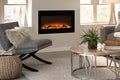
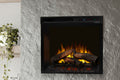
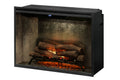
Electric fireplaces remove combustion from the equation entirely. No gas line needed. No venting required. No combustion byproducts. That's not a marketing statement — it's a structural change in your risk profile.
Here's what that means in practice for a multi-unit developer or property manager:
No gas line vulnerability. Each unit operates independently on standard electrical. A problem in one unit has zero infrastructure connection to the unit next door. There's no shared supply line to shut off, no pressure system to inspect building-wide.
No venting failures. Without venting requirements, there's no venting chase to maintain, no cap to inspect, no clearance to verify. The entire category of venting-related code deficiencies disappears from your compliance checklist.
Code-compliant for multi-family applications by design. Electric fireplaces are safe for multi-family applications in a way that combustion appliances simply aren't — they're designed for exactly the kind of dense, shared-wall, high-occupancy environments that make gas systems risky.
Clean installation environment. No gas stub-outs, no venting penetrations, no combustion air requirements. The install footprint is contained, predictable, and doesn't create downstream inspection triggers.
For a property manager who watched one pest issue empty a building, the logic is direct: why carry infrastructure risk that can cascade building-wide when the alternative eliminates that entire failure mode?
What Does This Look Like Across a Real Multi-Unit Project?
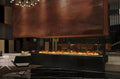
The developers and property managers who spec electric fireplaces across multi-unit projects aren't doing it primarily for aesthetics — though the client-facing visual impact is real and significant. They're doing it because the operational math is clear.
Scales across multiple units without compounding risk. Adding 20 electric fireplaces to a property adds 20 independent appliances. Adding 20 gas fireplaces adds 20 points of failure on a shared supply system. That's not a linear risk increase — it's exponential.
Reduces post-install service calls. Electric units have no combustion components to service, no pilot lights to relight, no venting to clean. Maintenance requirements are minimal. For a property manager juggling multiple units, that translates directly to fewer emergency calls and lower operating cost per unit.
Predictable operating cost. No gas rate volatility, no annual service contracts for combustion appliances, no venting inspections. Operating costs are predictable and low — relevant for properties where margin is tight and unexpected expenses are damaging.
Reliable for client delivery timelines. For developers building out new units or renovating existing ones, electric fireplaces are project-ready units that reduce install complexity and shorten install time. No gas rough-in coordination, no venting contractor scheduling. Drop-in ready solutions that don't create dependencies on other trades.
At Electric Fireplaces Depot, we've worked with developers and property managers across exactly these scenarios. Most of the issues we see in the field don't come from the product — they come from enclosure prep and airflow management. The product is only 50% of success. The install environment is the other 50%. That's why we guide the installation process, not just the product selection.
What Should a Multi-Unit Developer Ask Before Specifying a Fireplace?
Before specifying any fireplace across a multi-unit property, these are the questions that actually matter for risk management:
-
Is this a new build or retrofit? New construction gives you the most flexibility in enclosure design. Retrofit projects require accurate assessment of existing wall assemblies and available depth.
-
What stage of construction are you in right now? Early-stage specs allow the cleanest install. Late-stage retrofits require a different product approach.
-
What's the intended use — visual feature or supplemental heat? This determines the right product category and output specs.
-
Is there an existing enclosure or are you building from scratch? Enclosure dimensions drive unit selection. Getting this wrong is the most common source of post-install problems.
-
Who is making the final specification decision — builder, designer, or client? Knowing the decision chain prevents last-minute spec changes that delay the project.
Based on your setup, the right unit and installation approach becomes clear. At Electric Fireplaces Depot, we spec this with you — not just point you to a product page. We'll make sure you don't run into the common issues we see in the field, and that the installation goes cleanly the first time.
The Risk You Can Eliminate Before It Happens
A pest infestation is an external event. You can mitigate it, but you can't design it out of your building. A gas line failure, a venting code violation, a combustion-related inspection hold — those are infrastructure decisions. You can design those risks out entirely by choosing systems that don't carry them.
For multi-unit developers and property managers, electric fireplaces aren't a luxury add-on. They're a specification decision that removes entire categories of compliance risk, reduces ongoing maintenance burden, and delivers a luxury focal point that holds up across years of occupancy without the operational exposure that combustion systems carry.
That's the case for electric — not as an aesthetic choice, but as a risk management strategy.
If you're working through a multi-unit project right now and want to spec this correctly from the start, Electric Fireplaces Depot works directly with trade professionals to make sure the right unit is specified for the right application. Call us at 800-309-2144 or reach the pro team directly at Pro@electricfireplacesdepot.com — tell us about the project, what stage you're at, and we'll recommend the right unit and installation approach so you're not solving problems after the build.
Checklist
-
Audit your current fireplace infrastructure for shared gas lines or venting systems that create building-wide failure points before your next inspection cycle.
-
For new construction multi-unit projects, specify electric fireplaces during the framing stage to eliminate gas rough-in from the trade schedule entirely.
-
Verify enclosure dimensions and wall depth before finalizing unit selection — this is the most common source of installation problems in retrofit applications.
-
Confirm your product is sourced from an authorized dealer with direct manufacturer warranty support — for multi-unit projects, warranty coverage across all units matters.
-
Ask your supplier specifically about airflow and enclosure prep requirements — these are the factors that determine long-term performance, not just the unit spec sheet.
-
If you manage a boutique hotel, short-term rental building, or condo development, request a project consultation to spec all units consistently and avoid mismatched installations across floors.
FAQ
Can a single electric fireplace problem shut down other units in a multi-unit building?
No — and that's one of the core advantages. Electric fireplaces operate independently on standard electrical circuits with no shared gas supply or venting infrastructure. A malfunction in one unit has no mechanical connection to adjacent units, which means there's no building-wide shutdown exposure from a single appliance failure.
Are electric fireplaces actually code-compliant for multi-family and hospitality properties?
Yes. Electric fireplaces are designed to be safe for multi-family applications and are code-compliant in dense occupancy environments where combustion appliances face much stricter scrutiny. They produce no combustion byproducts, require no venting penetrations, and don't trigger the same air quality or gas safety regulations that apply to gas fireplaces.
What maintenance does an electric fireplace require in a rental or hotel setting?
Maintenance requirements are minimal compared to combustion systems. There are no pilot lights, no venting to clean, no annual combustion appliance inspections, and no gas service contracts. Routine maintenance is limited to keeping the intake and output areas clear of obstruction and occasional cleaning of the glass or flame media depending on the unit type.
What's the difference between a standard electric fireplace and a water vapor fireplace for a hospitality property?
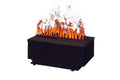
Standard electric fireplaces use LED or Digital flame technology and are extremely low-maintenance, making them well-suited for high-turnover hospitality environments. Water vapor fireplaces deliver the most realistic flame effect available without combustion, but they require proper enclosure preparation and controlled airflow to perform correctly — dust exposure and cross drafts are the most common installation issues. Electric Fireplaces Depot provides step-by-step guidance for water vapor installs to prevent these problems.
How do electric fireplaces hold up across years of occupancy in rental units?
Electric fireplaces are built for exactly this kind of continuous use. With no combustion components to degrade, no venting to corrode, and no gas valves to fail, the long-term reliability profile is significantly better than gas alternatives in high-occupancy settings. Premium units from authorized manufacturers carry direct warranty support, which matters when you're managing multiple units simultaneously.
What should I tell my supplier when specifying electric fireplaces across a multi-unit development?
Give them the project type (new build or retrofit), the stage of construction, the enclosure dimensions or available wall depth, and whether the primary purpose is visual impact or supplemental heat. This information drives the correct unit selection. If you're working with Electric Fireplaces Depot, the pro team will spec the right unit for each application and flag any installation environment issues before they become problems on-site.