1-800-309-2144

No, in most of cases you probably don't — at least not if you're planning to convert to an electric fireplace. Chimney rebuilding is a legitimate requirement for active wood-burning or gas venting systems, but the moment you remove combustion from the equation, the structural demands on that chimney disappear entirely. Most homeowners asking this question are being quoted chimney work they don't actually need for the direction their project is heading.
The confusion stems from a straightforward misalignment: contractors assess chimneys for combustion use, and homeowners don't always clarify upfront that they're moving away from it.
Why Are Contractors Telling You the Chimney Needs Rebuilding?
This is the most common version of the story: a homeowner wants to update an old fireplace, calls a contractor or chimney sweep for an assessment, and walks away with a quote for $8,000 to $20,000 in chimney reconstruction before anything else can happen.
Sometimes that quote is legitimate. Sometimes it isn't. The problem is that most homeowners have no way to tell the difference.
Chimney rebuilding is genuinely required in a few specific situations:
-
Active wood-burning use — If you plan to burn wood, the flue liner, crown, mortar joints, and cap all need to be in serviceable condition. Combustion byproducts and heat stress create real structural degradation over time.
-
Gas venting — Direct-vent and B-vent gas inserts require a properly lined, intact flue path. A compromised liner creates a carbon monoxide risk.
-
Structural failure — If the chimney is leaning, has significant spalling, or shows water infiltration into the home, that's a structural issue regardless of what you put in.
But here's what most people get wrong: those requirements are tied to the use of combustion and venting. They are not inherent to having a fireplace in your home. Homeowners regularly discover that after receiving a chimney rebuild quote, switching to an electric insert eliminates the entire basis for the work — because there's nothing left to vent.
What Actually Happens to the Chimney When You Convert to Electric?
When you install an electric fireplace insert into an existing wood-burning or gas fireplace opening, the chimney becomes structurally irrelevant to the fireplace's operation. Electric units produce no combustion gases, no carbon monoxide, no smoke, and no heat that requires a flue path to the exterior.
The chimney doesn't need to be demolished. It doesn't need to be relined. It doesn't need a new crown or cap for the sake of the fireplace. What it does need is to be properly capped or sealed at the top to prevent water infiltration, animal entry, and drafts — but that's a minor weatherproofing task, not a structural rebuild.
From a fireplace function standpoint, the chimney simply becomes a decorative architectural column. The surround, the mantel, the firebox opening — all of that stays exactly as it is. The electric insert drops into the existing opening. Questions about whether a chimney is structural to the home's framing are worth asking, but that's a separate conversation from whether you need it rebuilt to run an electric fireplace.
This is the part that trips people up. They conflate "the chimney exists" with "the chimney must be maintained for fireplace use." Those two things are only connected if combustion is involved.
So What Do You Actually Need to Prepare for an Electric Conversion?
This is where the real work lives — and it's much more manageable than a chimney rebuild. In thousands of installs, the consistent pattern is this: most conversion issues come from incorrect measurements of existing opening.
Here's what actually matters when converting an existing fireplace to electric:
The firebox opening dimensions The insert needs to fit the opening correctly. Width, height, and depth all matter. This is a measurement exercise, not a structural one.
Tapering Measure. Most of existing wood or gas burning fireplaces taper. They are narrower at the back then they are on the front. You need to consider that when talking the measurements.
Electrical access. Electric fireplaces require a dedicated circuit in many cases. If there's no outlet inside or immediately adjacent to the firebox, an electrician needs to run one. This is the most common practical step in a conversion, and it's straightforward work.
Chimney cap or damper seal . With the fireplace no longer in active use, the flue should be sealed at the top or the damper closed and sealed. This prevents cold air downdrafts, moisture, and debris from entering — none of which are expensive fixes.
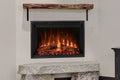
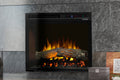
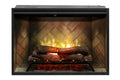
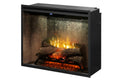
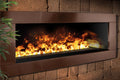
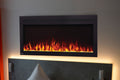
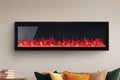
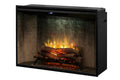
Choosing the right electric fireplace. Not every electric fireplace is meant for conversion. There are specific models that are made for the purpose. Electric Fireplaces Depot has a collection of electric fireplaces specifically designed for converting wood or gas fireplace to electric. Link is here: https://electricfireplacesdepot.com/collections/best-electric-fireplaces-for-converting-upgrading-existing-fireplaces
That's the actual list. DIY forums are full of homeowners who went through the same evaluation process and arrived at the same conclusion: when combustion is removed, the structural requirements dissolve with it.
The product is only 50% of a successful conversion — the install environment is the other 50%. But the install environment for an electric unit is about prep and fit, not masonry reconstruction.
How Do You Know If the Chimney Concern Is Legitimate or Unnecessary?
Ask one direct question: Am I planning to burn anything in this fireplace?
If the answer is no — if you're converting to electric — then any chimney work being quoted should be justified on its own structural or weatherproofing merits, completely independent of the fireplace upgrade. A chimney that's actively deteriorating and causing water damage to your home is a legitimate repair. A chimney that simply "needs work" before you can use it for combustion is irrelevant if combustion is leaving the picture.
The honest framing is: get a chimney inspection if you have concerns about the structure of the chimney itself. But do not allow a combustion-based maintenance requirement to drive your renovation budget when you're moving to a system that has no combustion.
Electric fireplaces require no venting, which eliminates the need for chimney structural work entirely. That's not a workaround — it's the straightforward engineering reality of how these systems work.
The Cleaner Path Forward
If you've been sitting on a fireplace upgrade because a chimney rebuild quote put the project out of reach, the electric conversion route deserves a serious look. You keep the architectural feature, you get a realistic flame visual without combustion, and you sidestep the structural concerns entirely.
The questions worth asking before you buy anything: What are the firebox opening dimensions? Is there an existing outlet nearby or does one need to be added? Is the existing surround staying or being replaced? Those answers determine which unit fits your project — not the condition of the flue liner.
Electric Fireplaces Depot's electric fireplace conversion solutions are specifically designed to drop into existing openings without requiring chimney modifications. If you want to talk through your specific setup before committing to anything, that's exactly the kind of conversation we're here for.
Call / Text us at 800-309-2144 or email Pro@electricfireplacesdepot.com — tell us about the project, what you're working with, and we'll spec this correctly so you don't run into problems after install.
Checklist
-
Measure your firebox opening (width, height, and depth) before evaluating any electric insert — fit determines your options more than anything else.
-
Ask your contractor directly: is the chimney work being quoted related to active combustion or venting use, or is it a standalone structural issue? If it's combustion-based and you're going electric, it may not apply.
-
Confirm electrical access near the firebox — this is the most common practical step in an electric fireplace conversion and is straightforward for a licensed electrician.
-
Seal or cap the flue once the fireplace is no longer in active use — this is weatherproofing, not structural work, and prevents drafts and moisture entry.
-
Contact an electric fireplace specialist like Electric Fireplaces Depot before committing to a renovation budget — a quick conversation can clarify exactly what your project actually requires.
-
Don't let a combustion-based maintenance quote drive your budget if you've already decided to move away from wood or gas.
FAQ
Do I need to rebuild my chimney before installing an electric fireplace insert?
No. Electric fireplaces produce no combustion gases and require no venting, so the structural condition of your chimney flue has no bearing on whether you can install and operate an electric insert. The only chimney-related task worth addressing is capping or sealing the flue to prevent drafts and moisture — which is a minor weatherproofing step, not a rebuild.
What happens to the chimney when you convert a wood fireplace to electric?
The chimney becomes structurally irrelevant to the fireplace's operation. It remains as part of the home's architecture, but since nothing is being burned and no gases need to be vented, the flue, liner, and crown no longer need to meet combustion-use standards. Sealing the top of the chimney is recommended to prevent cold air and moisture from entering.
How do I know if a contractor's chimney rebuild quote is legitimate?
Ask whether the work being quoted is required for combustion and venting use specifically. If you're converting to electric, those requirements don't apply. Chimney work is legitimate when it addresses active structural deterioration causing water damage or safety issues independent of fireplace use — not when it's framed as a prerequisite for a system that doesn't need the chimney at all.
What do I actually need to prepare for an electric fireplace conversion?
The main items are: accurate firebox opening dimensions (width, height, depth), electrical access near the firebox (a dedicated circuit is typically needed), proper sealing around the insert once it's installed, and a capped or sealed flue. These are manageable prep steps — not structural work.
Can I keep my existing mantel and surround when converting to electric?
In most cases, yes. Electric inserts are designed to fit into existing firebox openings, preserving the surrounding architecture. The mantel, surround, and hearth can typically stay exactly as they are. The insert slides into the opening, and any gaps are finished with a trim kit or surround panel.
Why do some people get quoted for chimney work they don't need?
Chimney assessments are often conducted by professionals whose work scope is tied to combustion systems. When they identify issues, the repair recommendations are naturally framed around restoring the chimney to combustion-ready condition — even if the homeowner's actual plan doesn't involve combustion. Getting a clear answer about your intended use before any assessment helps keep the scope honest.
Is an electric fireplace a good option if the chimney is in bad shape?
Yes, it's often the most practical path forward. Rather than investing in chimney reconstruction to continue using a wood or gas system, converting to electric sidesteps the structural requirement entirely. You get a premium flame visual, supplemental heat if desired, and a clean installation without the ongoing maintenance demands of a combustion system.