1-800-309-2144

Multi-family developers don't lose margin on the big decisions—they lose it on the small mechanical ones that compound over hundreds of units. HVAC warranty claims and venting failures are predictable problems, which means they're preventable problems. This article breaks down how experienced builders reduce post-occupancy service calls by rethinking which systems they specify in the first place—and where electric fireplaces fit into that strategy.
Why Are Warranty Callbacks Destroying Developer Margins?
The honest answer: complexity. Every combustion system, gas line, and venting assembly you install is a future service call waiting to happen. Multiply that across 80, 120, or 200 units, and you're not managing a building—you're managing a maintenance schedule.
The most common callback triggers in multi-family construction aren't structural. They're mechanical. Venting that wasn't sealed correctly. Gas connections that require inspection. HVAC systems that were undersized or improperly integrated with architectural features. These aren't failures of craftsmanship—they're failures of specification. The wrong system was chosen for the application.
Most people evaluate fireplace and heating features based on upfront cost and visual appeal, not long-term service exposure. A gas fireplace that looks great at handoff can generate three to five service calls per unit in the first two years—venting issues, pilot light failures, gas valve replacements, and CO detector triggers. At scale, that's not a warranty problem. That's a margin problem.
What Strategies Do Experienced Builders Use to Reduce Service Calls?
Eliminate Combustion Systems Where They're Not Required
The most effective strategy isn't better installation—it's removing the systems that generate callbacks in the first place. Electric units are ideal for projects requiring simplicity, reliability, and zero venting. No combustion means no venting failures. No gas line means no gas-related inspections or callbacks. No chimney means no annual maintenance obligations that fall back on the HOA or management company.
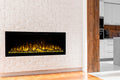
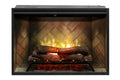
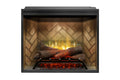
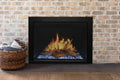
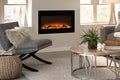
For amenity spaces, model units, and individual apartments where a fireplace is specified as an architectural feature rather than a primary heat source, electric fireplaces deliver the visual impact without the mechanical liability. They integrate cleanly into most wall assemblies and require minimal maintenance after installation.
Spec Systems That Match the Actual Use Case
One of the most expensive mistakes in multi-family specification is over-engineering the feature. If the fireplace in a unit lobby or living room is primarily a visual feature—a luxury focal point that elevates perceived value—then a combustion system is adding cost and complexity without adding proportional benefit.
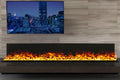
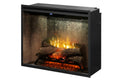
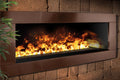
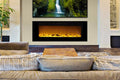
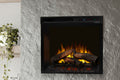
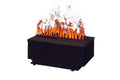
The question worth asking before specification: what's the intended use—visual feature or supplemental heat? The answer changes everything about what you should be installing. Electric fireplaces with realistic flame effects, including water vapor units, deliver client-facing visual impact that photographs well, impresses during showings, and requires no tenant interaction with gas systems or venting components.
Standardize Across Units to Reduce Variables
Developers who scale successfully share one trait: they reduce variables. Specifying the same electric fireplace unit across multiple unit types means your installation teams know the product, your maintenance staff knows the product, and your warranty exposure is predictable. There are no surprises at year two.
Builder-grade reliability isn't about choosing the least expensive option—it's about choosing a product that performs consistently across hundreds of installs without generating service calls. Electric fireplaces are proven across thousands of multi-family installations because they eliminate the mechanical failure points that combustion systems introduce.
Are Electric Fireplaces Actually Code-Compliant for Multi-Family Applications?
This is one of the most common questions trade professionals ask, and it's a fair one. Electric fireplaces are safe for multi-family applications and are code-compliant in most jurisdictions without the additional permitting layers that gas systems require.
No venting requirement means no penetrations through fire-rated assemblies. No combustion means no CO concerns at the unit level. No gas line means no pressure testing, no gas inspections, and no coordination with the utility. For a developer managing a construction timeline across dozens of units, that reduction in coordination overhead is significant—it shortens install time and reduces install complexity in a phase of construction where every schedule dependency matters.
Water vapor fireplaces, which deliver the most realistic flame effect available without combustion, do require proper enclosure preparation and airflow control to perform correctly. This isn't a limitation—it's an installation specification issue that Electric Fireplaces Depot guides clients through directly. We've seen the same installation mistakes repeatedly: dust exposure during construction, poor enclosure sealing, and cross drafts from nearby HVAC registers. We provide guidance upfront to prevent those issues, because the product is only 50% of success—the install environment is the other 50%.
How Does Fireplace Specification Fit Into a Broader Margin Protection Strategy?
Margin protection in multi-family development comes down to one principle: reduce the number of systems that can fail after handoff. Every callback costs money twice—once for the repair, and once for the relationship damage with the property manager, HOA, or tenant.
Electric fireplaces address a specific slice of that equation. They don't solve HVAC sizing problems or insulation failures. But they do remove one category of mechanical complexity that developers consistently underestimate: combustion system maintenance. Clean installation environment, no venting required, no gas line needed, predictable operating cost—these are the reasons trade professionals who've been burned by gas fireplace callbacks specify electric on their next project.
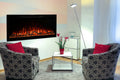
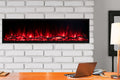
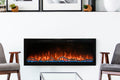
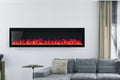
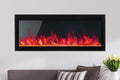
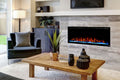
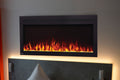
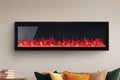
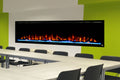
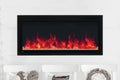
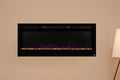
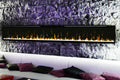
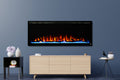
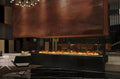
The specification decision also carries forward-looking value. As multi-family properties compete for tenants on amenity quality, a modern linear electric fireplace in a lobby or unit living space creates genuine visual differentiation. That's client-facing visual impact that supports leasing without adding to your post-occupancy service burden.
Protecting Margins Starts at the Specification Stage
The developers who control their warranty costs aren't doing anything exotic. They're making deliberate specification choices earlier in the process—choosing systems that reduce post-install service calls rather than hoping installation quality will compensate for mechanical complexity.
Electric fireplaces are one of the clearest examples of that logic in practice. No combustion, no venting, no gas line complications, minimal maintenance, and a visual result that holds up in luxury multi-family contexts. If you're currently specifying gas fireplaces as standard across your units, it's worth running the math on what your callback rate has cost you over the last two years.
Electric Fireplaces Depot works directly with developers, general contractors, and design teams to spec the right unit for each application—new construction or retrofit, single unit or full project rollout. If you want to walk through your current project and identify where electric specification makes sense, reach out directly. Call 800-309-2144 or email Pro@electricfireplacesdepot.com and tell us what stage of construction you're in—we'll recommend the right unit and make sure the install goes cleanly the first time.
Checklist
- Audit your last 24 months of warranty claims — identify what percentage came from combustion systems, venting, or gas-related issues before your next project specification meeting.
- Ask the use-case question early: Is this fireplace a visual feature or a primary heat source? The answer should drive the specification, not aesthetics alone.
- For multi-family developers standardizing across unit types, specify the same electric fireplace model across all applicable units to reduce installation variables and simplify maintenance protocols.
- Review enclosure plans before ordering — water vapor and electric fireplaces require correct clearances and airflow control; share your plans with Electric Fireplaces Depot before finalizing specs.
- Confirm code compliance for your jurisdiction — electric fireplaces typically require no additional gas permits or venting inspections, but confirm local requirements with your project team.
- Calculate callback cost per unit — include labor, parts, tenant disruption, and management time to get an accurate picture of what combustion system callbacks actually cost at scale.
FAQ
Why do gas fireplaces generate so many warranty callbacks in apartment buildings? Gas fireplaces involve multiple mechanical components—pilot assemblies, gas valves, venting systems, and CO detection—each of which can fail independently. In multi-family settings, these failures multiply across dozens or hundreds of units, creating recurring service costs that are difficult to predict or budget. Venting issues and gas valve failures are among the most common post-occupancy complaints developers face in the first two years after handoff.
Are electric fireplaces a realistic option for luxury apartment buildings? Yes. Premium electric fireplaces, including water vapor units, deliver a realistic flame effect that holds up in high-end multi-family environments. Modern linear designs work well as architectural features in lobbies, amenity spaces, and unit living rooms. The visual result is comparable to gas for most tenants, without the combustion system maintenance that follows.
Do electric fireplaces require special permits or inspections in multi-family construction? In most jurisdictions, electric fireplaces do not require the additional permitting layers that gas systems trigger—no gas line pressure testing, no venting penetration through fire-rated assemblies, and no utility coordination. This reduces schedule dependencies during construction and eliminates a category of post-occupancy inspection requirements. Always confirm local code requirements with your project team.
What causes water vapor fireplaces to fail or underperform after installation? The most common issues are dust exposure during construction, poor enclosure sealing, and cross drafts from nearby HVAC registers or vents. These are installation environment problems, not product defects. Electric Fireplaces Depot provides specific guidance on enclosure preparation and airflow control before units are installed to prevent these outcomes.
How do I know which electric fireplace is right for a multi-family project? The key variables are enclosure type (existing wall or new build), intended use (visual feature vs. supplemental heat), unit size, and whether the project is new construction or a retrofit. Electric Fireplaces Depot works directly with developers and contractors to match the right unit to each application—sharing project plans or specs allows for a precise recommendation before ordering.
Can specifying electric fireplaces actually reduce my overall warranty exposure? Removing combustion systems from a specification eliminates an entire category of mechanical failure points. Developers who standardize on electric fireplaces across unit types report fewer post-occupancy service calls related to fireplace systems, lower maintenance overhead, and more predictable operating costs. It won't solve HVAC or insulation issues, but it removes one of the more consistent sources of callbacks in multi-family projects.