1-800-309-2144

Material delays are one of the most expensive problems a general contractor faces — and yes, electric fireplaces can genuinely protect your timeline in ways gas units cannot. When a gas fireplace specification triggers a chain reaction of permit delays, HVAC coordination, gas line scheduling, and specialized subcontractor availability, your entire project sequence can slip by weeks. Electric fireplaces eliminate that chain entirely. No gas line. No venting. No permit queue for combustion appliances. That means one less critical-path dependency that can unravel your schedule.
Why Do Fireplace Specifications Cause So Many Cascade Delays?
Most contractors don't think of the fireplace as a schedule risk until it becomes one. By then, it's already cost them.
Here's what typically happens with a gas fireplace specification: The unit gets ordered. Then someone realizes the gas line rough-in wasn't coordinated with the plumber. The venting path conflicts with HVAC ductwork that's already in place. The local AHJ requires a separate permit for the gas appliance. The inspector has a three-week backlog. The specialized installer isn't available until the week after that. Meanwhile, your framing crew is standing by, your finish carpenter can't close the wall, and your client is asking questions you don't have good answers to.
That's not a hypothetical. That's a pattern we hear about consistently from contractors who come to Electric Fireplaces Depot after a gas fireplace specification derailed a project they had otherwise run cleanly.
The fireplace is rarely the biggest line item in a build. But it can become the biggest scheduling problem.
What Makes the Gas Fireplace Timeline So Fragile?
The core issue is dependency stacking. A gas fireplace requires:
-
A dedicated gas line (plumber coordination)
-
A venting solution (HVAC or framing impact)
-
A combustion appliance permit (AHJ scheduling)
-
A certified installer for the gas connection
-
Inspections at multiple stages
Each of those is a handoff. Each handoff is a potential delay. And because the fireplace often sits at the intersection of framing, mechanical, and finish work, a slip in any one of those handoffs freezes multiple trades simultaneously.
How Does an Electric Fireplace Remove Those Dependencies?
This is where the math changes in your favor.
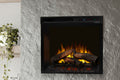
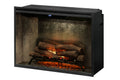
An electric fireplace — particularly a premium linear unit from a manufacturer likeMoern Flames, Dimplex, Amantii, or the European luxury brands that Electric Fireplaces Depot carries exclusively — arrives ready to set into a framed enclosure. There's no gas line. No venting chase. No combustion permit. Your electrician handles a standard 120V or 240V circuit depending on the unit, and that's the end of the mechanical coordination.
That's not a simplification. That's the actual installation environment.
For multi-family projects especially, this matters enormously. Safe for multi-family applications, scalable across multiple units, and requiring no per-unit gas inspection — electric fireplaces reduce post-install service calls and eliminate the permit bottleneck that makes gas specifications so risky at volume.
What Does the Installation Sequence Actually Look Like?
For a new construction project, the sequence is clean:
-
Frame the enclosure to spec (Electric Fireplaces Depot provides installation guidelines per unit)
-
Electrician rough-ins the circuit during normal electrical phase — no separate scheduling
-
Unit ships from warehouse inventory, timed to your finish phase
-
Drop-in installation during finish — shortens install time significantly
-
Wall closes. Done.
No waiting on a gas inspection before you can close the wall. No venting path that conflicts with something already in the ceiling. No subcontractor who's booked three weeks out.
This is what we mean when we describe these as project-ready units. The product is designed to reduce install complexity and fit into a normal construction sequence without creating a new critical path.
What Should Contractors Know Before Specifying an Electric Fireplace?
There are a few things worth getting right upfront, because the product is only 50% of success — the install environment is the other 50%.
Enclosure prep matters. Electric fireplaces, particularly water vapor units that deliver the most realistic flame effect available without combustion, require proper enclosure preparation and controlled airflow to perform correctly. We've seen the same installation mistakes repeatedly — dust exposure during active construction, poor enclosure sealing, and cross drafts that disrupt the flame visual. These are entirely preventable when you know what to look for.
Airflow control is not optional with Water Vapor Firplaces. If you're building a tight enclosure with drywall on three sides and the unit goes in before the space is fully sealed and climate-controlled, you can introduce performance issues that look like product problems but are actually environment problems. We guide contractors through this process specifically so that doesn't happen on their job.
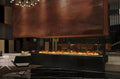
Spec the right unit for the application. The question we always ask is: what's the intended use — visual feature or supplemental heat? Wat is the best I can get within specified budget? These answers change the specification. A lobby focal point in a commercial renovation has different requirements than a bedroom feature wall in a luxury residential build. Tell us about the project — new build or retrofit — and what stage of construction you're in, and we can spec this with you to ensure a smooth install.
What About Realistic Flame Quality — Will Clients Accept It?
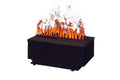
This is the question contractors ask when they're used to specifying gas. The honest answer is that premium electric and water vapor fireplaces have closed the gap significantly. Water vapor units deliver a real flame visual without combustion — the effect is created by ultrasonic water vapor and LED lighting, and at viewing distance, it reads as a genuine fire. Premium digital or holographic fireplaces is another option without involving water.
The client-facing visual impact of a well-specified electric fireplace in a properly designed enclosure is not a compromise. It's an architectural feature. The difference is that it arrives on your schedule, not the gas inspector's.
How Do You Keep Projects on Schedule When Materials Let You Down?
The honest answer is that you can't control everything — but you can eliminate the dependencies that are most likely to blow up your timeline.
Fireplace specification is one of the clearest examples of a controllable variable that contractors routinely treat as uncontrollable. The choice between gas and electric isn't just an aesthetic or client preference decision. It's a scheduling decision. It's a crew productivity decision. It's a reputation decision.
Electric Fireplaces Depot works directly with manufacturers as a factory-direct authorized dealer, which means warehouse inventory access, faster shipping, and pro pricing without the distributor markup that inflates lead times. When you're managing a tight delivery window, knowing that the fireplace ships from in-stock inventory — not a six-week factory queue — is genuine timeline insurance.
We've worked through enough contractor projects to know where the problems come from. Let's make sure you don't run into the common issues we see in the field. If you want to spec this correctly before it becomes a problem, that conversation is worth having early.
Checklist
-
Before specifying any fireplace, confirm whether a gas line and venting path are already in the project scope — if not, an electric unit eliminates both as scheduling dependencies.
-
General contractors specifying electric fireplaces for new construction should confirm enclosure dimensions and airflow conditions before the unit ships — not after it arrives on site.
-
Ask your supplier about in-stock availability before locking in a delivery window; warehouse inventory versus factory-order lead times can differ by weeks.
-
Coordinate the electrical rough-in during your normal electrical phase — electric fireplaces don't require a separate subcontractor or combustion permit, so there's no reason to treat it as a separate scheduling event.
-
For multi-unit or multi-family projects, confirm the unit is rated and safe for multi-family applications and that the specification scales cleanly across all units without per-unit inspection requirements.
-
Get the installation guidelines from your supplier before framing the enclosure — enclosure depth, width, and airflow clearances are unit-specific and need to be right before the wall closes.
FAQ
Why do gas fireplaces cause so many project delays compared to electric?
Gas fireplaces require a dedicated gas line, a venting solution, a combustion appliance permit, and a certified installer for the gas connection — each of which is a separate scheduling dependency. When any one of those handoffs slips, it can freeze multiple trades simultaneously. Electric fireplaces eliminate all of those dependencies, requiring only a standard electrical circuit that fits into your normal electrical phase.
Do electric fireplaces require any special permits?
In most jurisdictions, electric fireplaces do not require a combustion appliance permit because there is no gas connection or venting involved. Your electrician handles the circuit as part of the normal electrical scope. Always confirm local code requirements with your AHJ, but the permit burden is significantly lower than gas in virtually every market.
What's the realistic installation time for an electric fireplace versus gas?
Because there's no gas line, venting coordination, or specialized subcontractor required, the installation sequence for an electric fireplace is considerably shorter. The unit drops into a framed enclosure, the electrician connects the circuit, and the wall closes. There's no waiting on a gas inspection before you can proceed to finish work.
Are electric fireplaces realistic enough for high-end residential and commercial projects?
Premium electric fireplaces — and especially water vapor units — deliver a flame visual that reads as a genuine fire at viewing distance. Water vapor technology creates the effect using ultrasonic vapor and LED lighting, with no combustion. For luxury residential builds, hospitality projects, and architectural feature walls, the client-facing visual impact is a premium finish element, not a compromise.
What causes the most common installation problems with electric fireplaces?
The most common issues come from enclosure preparation and airflow control, not the unit itself. Dust exposure during active construction, poor enclosure sealing, and cross drafts can all affect performance — particularly with water vapor units. These problems are entirely preventable when contractors receive proper installation guidance before the unit goes in, which is why Electric Fireplaces Depot provides that guidance upfront.
Can electric fireplaces scale across multiple units in a multi-family or commercial project?
Yes. Electric fireplaces are safe for multi-family applications, require no per-unit gas inspection, and scale cleanly across multiple units without the combustion permit and inspection burden that gas specifications carry. This makes them a practical and reliable choice for developers and builders managing volume projects with tight delivery timelines.
How do I make sure I order the right electric fireplace for my project?
The key variables are enclosure dimensions, intended use (visual feature versus supplemental heat), and whether it's a new build or retrofit. Sharing your plans or project details with a knowledgeable supplier before ordering is the most reliable way to get the specification right the first time. Electric Fireplaces Depot works through this process with contractors directly to make sure the unit, the enclosure, and the installation environment are all aligned before anything ships.
If you're in the middle of a project — or speccing one that's coming up — and you want to make sure the fireplace doesn't become the thing that holds everything else up, reach out directly. Call / Text 800-309-2144 or email Pro@electricfireplacesdepot.com. Tell us what stage of construction you're in and whether it's a new build or retrofit, and we'll recommend the right unit so you don't have problems after install.