1-800-309-2144

The short answer: look for vendors who tell you what can go wrong before you buy. Any vendor can tell you why their product is great. A credible source tells you what conditions the product requires to perform correctly, what installation mistakes they see repeatedly, and what happens when those mistakes occur. That distinction separates a sales pitch from genuine expertise — and it's exactly what trade professionals need when their reputation is on the line.
Why Do So Many Vendor Relationships Feel Like a Pitch Instead of a Partnership?
There's a reason interior designers frequently debate where to source products — the vendor world is cluttered with companies optimized for closing a sale, not solving a project problem. You ask a technical question, you get a brochure. You ask about limitations, you get a redirect to the warranty page. You ask about post-install support, you get silence.
For trade professionals — designers, architects, general contractors, developers — this is more than an annoyance. Recommending a product that fails on a client's project is a reputation event. The client doesn't blame the vendor. They blame you.
The problem is structural. Most vendors are measured on units sold. Educating you on installation failure modes doesn't help their quarterly number. So they don't do it. They show you a beautiful product, hand you a spec sheet, and move on to the next lead.
What you actually need is a vendor who is invested in the install going right — because a bad install reflects on them too.
What Does a Trustworthy Product Source Actually Look Like?
This is where most guidance falls short. "Find a reputable vendor" is not actionable. Here's what to look for in practice:
Do They Acknowledge Product Limitations Upfront?
A credible source will tell you when a product requires specific conditions to perform correctly. Not in fine print — in the conversation, before you spec it.
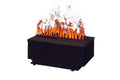
At Electric Fireplaces Depot, for example, when a designer asks about water vapor fireplaces, the first thing we explain is that these units deliver the most realistic flame effect available without combustion — but they require proper enclosure preparation and airflow control to perform correctly. Also, these units may not be suitable for some projects. better choice could be high end digital or holographic fireplaces: https://electricfireplacesdepot.com/collections/holographic-flame-hyper-realistic-fireplaces
On water vapor fireplaces, we've seen the same installation mistakes repeatedly: dust exposure, poor enclosure sealing, cross drafts. We explain that upfront because we'd rather prevent the problem than handle a service call six months later.
That's the tell. If a vendor only talks about what the product does well, they're selling. If they explain what the product requires and what happens when those requirements aren't met, they're advising.
Do They Ask About Your Project Before Recommending Anything?
A trustworthy vendor doesn't lead with a product. They lead with questions.
What stage of construction are you in right now? Is there an existing enclosure or are you building from scratch? Who is making the final specification decision — the builder, the designer, or the client? What's the intended use — visual feature or supplemental heat?
These questions aren't small talk. They determine whether the product you're considering will actually work in your specific application. A vendor who skips them and goes straight to "here's what I'd recommend" is guessing. And when you're specifying a product for a client's living room or a multi-unit residential development, guessing is not acceptable.
Do They Have Post-Sale Infrastructure or Just a Phone Number?
Many interior designers struggle with the question of vendor transparency precisely because the relationship feels fine until something goes wrong. Then you find out whether your vendor is actually a partner or just a transaction.
Ask directly: What happens if there's a warranty issue six months after install? Who do I call? How long does resolution take? If the answer is vague, that's information. If the answer includes direct manufacturer access, a named contact, and a clear process, that's a vendor worth trusting.
What Red Flags Should You Watch For When Vetting a Vendor?
Here's what most people get wrong when evaluating vendors: they focus on product quality and price, and they skip vendor behavior. But vendor behavior is often the better predictor of whether the project goes smoothly.
Watch for these patterns:
They can't explain failure modes. If a vendor can't tell you what typically causes problems with their product in the field, they either don't know or don't want you to know. Neither is acceptable for a trade professional making a specification decision.
They minimize your installation concerns. "Oh, that's not an issue" without explanation is a flag. A credible source says "here's what typically causes that issue, and here's how we prevent it."
They don't distinguish between product categories. A vendor who tells you every product works for every application isn't advising you — they're selling. Credible sources acknowledge that electric units are ideal for projects requiring simplicity, reliability, and zero venting, while other applications might warrant a different approach.
There's no one to call after the sale. If the vendor relationship ends at the transaction, you're on your own when the project hits a complication. For trade professionals managing client relationships and project timelines, that's an unacceptable risk.
How Do You Build a Reliable Vendor Network Over Time?
Professional associations like ASID provide frameworks for professional practice, but the reality is that most trusted vendor relationships are built through direct experience — and through asking the right questions early.
The most reliable vendors in any category tend to share a few traits: they're factory-direct authorized dealers who can provide direct warranty support and manufacturer-level technical knowledge; they're honest about what their products require to perform correctly; and they've developed real field knowledge from working across many installations.
At Electric Fireplaces Depot, we work directly with manufacturers as authorized dealers. That means when a spec question comes up — about enclosure dimensions, airflow requirements, clearance specs, or code compliance — we're not guessing from a catalog. We're pulling from direct manufacturer knowledge and from what we've observed across thousands of installations.
The product is only 50% of success. The install environment is the other 50%. A vendor who understands that — and communicates it to you before the project starts — is worth keeping in your network.
How Do You Know When You've Found the Right Source?
You know you've found a trustworthy product source when the conversation feels like a consultation, not a pitch. When they ask more questions than they answer in the first five minutes. When they tell you what can go wrong and how to prevent it. When they're specific about product requirements rather than vague about capabilities.
For trade professionals specifying electric fireplaces and architectural heating features, that kind of vendor relationship isn't a luxury — it's how you protect your reputation and deliver results your clients can see and feel.
If you're working on a project and want a straightforward conversation about what will actually work for your application, that's exactly what our trade team is set up to do. Reach out to the Pro team at Electric Fireplaces Depot — start with your project details and we'll spec it correctly from the start.
You can reach the trade consultation team directly at Pro@electricfireplacesdepot.com or by phone or text at 800-309-2144.
Checklist
-
Ask vendors what goes wrong before you ask what the product does. A credible source can explain common installation failure modes without prompting.
-
Give vendors your project details before accepting a recommendation. If they recommend without asking about your enclosure, construction stage, or end use, the recommendation isn't spec-level guidance.
-
Verify post-sale support before the sale. Ask specifically who you call, how warranty issues are resolved, and how long resolution typically takes.
-
Look for factory-direct authorized dealers when sourcing premium electric fireplaces — they carry manufacturer-level technical knowledge and can provide direct warranty support that resellers cannot.
-
Document the guidance you receive. If a vendor provides installation guidance upfront, that's a signal of a real partnership — keep that communication as part of your project record.
-
Test the relationship with a technical question. Before committing to a vendor for a major specification, ask something specific about installation requirements or product limitations and evaluate how they respond.
FAQ
How do I know if a vendor is being honest or just trying to make a sale?
The clearest signal is whether they tell you what can go wrong before you ask. A vendor optimized for sales will lead with benefits and redirect concerns. A credible source will explain what conditions the product requires to perform correctly, what installation mistakes they see in the field, and what happens when those mistakes occur — without being prompted.
What questions should I ask a vendor before specifying their product?
Ask what the most common installation problems are and how to prevent them. Ask what conditions the product requires to perform correctly. Ask what happens if there's a warranty issue six months after install and who you contact. The quality of those answers tells you more about the vendor than any product brochure.
Why do so many vendor relationships feel transactional for designers and architects?
Most vendors are measured on sales volume, not project outcomes. That structure creates a natural incentive to close the sale and move on rather than invest in the technical guidance that prevents post-install problems. Trade professionals need vendors who are invested in the install going correctly — because a bad install reflects on the vendor's credibility too.
What does "factory-direct authorized dealer" actually mean for a trade professional?
It means the vendor works directly with the manufacturer, which gives them access to manufacturer-level technical knowledge, direct warranty support, and accurate spec information. For trade professionals, this matters because it shortens the chain between a field problem and a resolution — and it means the guidance you receive is coming from someone with real product authority, not a reseller reading from a catalog.
Are electric fireplaces actually reliable enough to specify for high-end residential projects?
Yes, when specified correctly for the application and installed in the right enclosure environment. Electric units are ideal for projects requiring simplicity, reliability, and zero venting — they integrate cleanly into most wall assemblies and require minimal maintenance. The most common post-install issues come from enclosure preparation and airflow control, not the product itself. A knowledgeable vendor will walk you through those requirements before the project starts.
How do I build a reliable vendor network as a design or architecture professional?
Start by vetting vendors with technical questions before committing to a specification relationship. Look for vendors who ask about your project before recommending a product, who can explain failure modes in plain language, and who have a clear post-sale support process. Factory-direct authorized dealers with real field experience tend to be the most reliable long-term partners for trade professionals.
What's the difference between a vendor who educates and one who just sells?
A vendor who educates will tell you what a product requires, not just what it does. They'll ask about your specific project conditions before making a recommendation. They'll acknowledge limitations. They'll provide installation guidance upfront to prevent common problems rather than waiting to handle complaints after the fact. A vendor who just sells will give you a spec sheet and a price.