1-800-309-2144

Contractors are right to be skeptical about smart home technology that sounds impressive in a showroom but creates callbacks in the field. When it comes to electric fireplaces with app control and smart home integration, the technology is genuinely simpler than most contractors expect — but the installation environment is where projects either succeed or fail. Here's what trade professionals need to understand before specifying these units on their next build.
Are Smart Electric Fireplaces Actually Reliable in the Field?
The short answer: yes — when you understand what you're actually dealing with.
Modern electric fireplaces, including units with Wi-Fi control, app connectivity, and smart home compatibility, run on straightforward electrical systems. There's no combustion, no gas line, no venting system, and no pressure regulators. The "smart" component is typically a Wi-Fi module controlling the flame effect, heat output, and lighting — similar in complexity to a smart thermostat or ceiling fan controller.
That changes the troubleshooting equation entirely.
When a gas fireplace glitches, you're potentially dealing with ignition failures, pressure issues, or venting blockages. When an electric fireplace with smart control glitches, you're usually looking at a network connectivity issue or a firmware update — something a homeowner can resolve without calling you back.
This is why trade professionals who've made the switch to electric consistently report fewer post-install service calls. The product itself is reliable. What creates problems in the field isn't the technology — it's the installation environment.
What Actually Causes Electric Fireplace Problems After Install?
Here's what most people get wrong: they focus all their attention on the unit itself and treat the enclosure as an afterthought.
We've worked on thousands of installs, and most issues come from two places: enclosure preparation and airflow control. Not the fireplace. Not the smart controls.
Enclosure Prep Is the First Place Installs Go Wrong
Electric fireplaces — particularly water vapor units — require a clean, sealed enclosure. Drywall dust, construction debris, and unsealed gaps are the most common reasons a unit underperforms after installation. Dust exposure during construction phases can affect internal components and, on water vapor units specifically, contaminate the water reservoir and affect flame quality.
The fix is simple: seal and protect the enclosure before the unit goes in. It's not complicated, but it requires discipline on the job site. At Electric Fireplaces Depot, we guide contractors through this process upfront — because preventing the problem costs nothing compared to diagnosing it after the client has moved in.
Cross Drafts and Airflow Problems Are the Second
Electric fireplaces require a controlled airflow environment. HVAC vents positioned directly above or across from the unit, open floor plans with strong air movement, or improperly framed enclosures can all disrupt the flame effect — especially on water vapor models, where the visual depends on precise air behavior inside the firebox.
This isn't a product defect. It's an installation environment issue. And it's entirely preventable when you know what to look for before the drywall goes up.
How Do Smart Controls Actually Work on These Units?
Most premium electric fireplaces with smart home integration use one of two approaches: a dedicated app with Wi-Fi control, or integration with platforms like Amazon Alexa or Google Home through a compatible module.
From a contractor's perspective, commissioning is straightforward. The unit connects to the home's Wi-Fi network during setup — typically through the same process as any smart home device. There's no proprietary hub required on most models, and no specialized programming.
What Happens When the Wi-Fi Drops?
This is the question contractors should ask before specifying any smart-enabled fireplace. The answer matters for client satisfaction.
On well-designed units, the fireplace defaults to full manual operation via the included remote or on-unit controls when Wi-Fi connectivity is lost. The smart features are an enhancement, not a dependency. The fireplace still works. That's the spec to look for, and it's one of the things Electric Fireplaces Depot confirms with manufacturers before recommending any smart-enabled unit to trade professionals.
Does Smart Integration Add Meaningful Troubleshooting Risk?
Realistically, no more than any other connected device in the home. The electrical components of the fireplace itself — the heating element, flame motor, LED system — operate independently of the network connection. If a smart feature fails, it doesn't take the fireplace offline. That separation of systems is what makes these units reliable for client delivery timelines.
How Should Contractors Spec Electric Fireplaces to Avoid Callbacks?
The product is only 50% of success. The install environment is the other 50%.
Before specifying a unit, the questions worth asking are:
-
Is this a new build or a retrofit? New construction gives you more control over enclosure prep and framing from the start. Retrofit projects require a closer look at what's already there and what needs to be modified.
-
What's the intended use — architectural feature, supplemental heat, or both? That determines which product category makes sense and what electrical requirements need to be confirmed early.
-
Where is the HVAC in relation to the fireplace location? Cross drafts need to be identified before the unit is ordered, not after it's installed.
-
Who is making the final specification decision — the builder, designer, or client? Knowing this prevents late-stage changes that create installation complications.
At Electric Fireplaces Depot, when a contractor reaches out about a project, those are the first questions we work through together. If you send over your plans or project details, we can recommend the correct unit and installation approach — and flag anything in the enclosure design that needs to be addressed before install day.
The Contractor's Bottom Line on Smart Electric Fireplaces
The skepticism about smart home technology is warranted in many categories. In electric fireplaces, it's largely misplaced — because the technology you're actually relying on is proven, field-tested, and doesn't depend on the smart features to function. No gas line, no venting, no combustion system to diagnose. Just a clean electrical connection and an enclosure that's been properly prepped.
The installs that create callbacks aren't failing because of the smart controls. They're failing because the enclosure wasn't sealed before the unit went in, or because an HVAC vent is driving a cross draft nobody caught during framing. Those are problems that happen before the fireplace arrives on site — and they're entirely preventable with the right guidance upfront.
That's exactly where Electric Fireplaces Depot focuses with trade professionals: getting the spec right and the install environment right before anything goes in the wall, so you don't get the call six months later.
If you're working on a project now and want to make sure you don't run into the common issues we see in the field, reach out to the team at Electric Fireplaces Depot. Tell us about the project — new build or retrofit — and we'll spec this correctly so it works the way it should, long after you've moved on to the next job.
Checklist
-
Confirm the enclosure is sealed and free of construction dust before the unit is installed — this is the most common cause of post-install performance issues on electric and water vapor fireplaces.
-
Map HVAC vent locations relative to the fireplace opening during the framing stage, not after drywall — cross drafts are preventable when caught early.
-
Verify that the smart-enabled unit defaults to manual operation when Wi-Fi is unavailable — this is a key spec detail to confirm before purchase on any connected fireplace.
-
For general contractors specifying fireplaces across multi-unit residential or commercial projects, confirm that units are code-compliant for your jurisdiction and that electrical rough-in matches manufacturer requirements before ordering multiple units.
-
Request installation guidelines from Electric Fireplaces Depot before the enclosure is framed — adjustments are straightforward at that stage and costly after the fact.
-
Identify who is making the final specification decision early in the project — designer, builder, or client — so the product selection doesn't change after the enclosure is built.
FAQ
Are smart electric fireplaces reliable enough for high-end residential projects?
Yes. The smart controls on premium electric fireplaces operate independently of the core heating and flame systems — if Wi-Fi drops, the fireplace continues to function via remote or manual controls. The electrical components themselves are straightforward and don't carry the diagnostic complexity of gas systems, which is why trade professionals report fewer post-install service calls with electric units.
What's the most common reason an electric fireplace underperforms after installation?
The most common causes are enclosure preparation failures and airflow issues — not product defects. Drywall dust and construction debris left in an unsealed enclosure, and HVAC cross drafts created by vent placement near the firebox opening, are responsible for the majority of post-install performance problems. Both are preventable when addressed before the unit is installed.
Do I need a special electrician or smart home programmer to commission a Wi-Fi fireplace?
No specialized programming is required on most models. Smart-enabled electric fireplaces connect to a home's existing Wi-Fi network through standard setup steps, similar to a smart thermostat. A licensed electrician handles the electrical connection; the smart home pairing is typically completed during client handoff and doesn't require a separate integrator.
What's the difference between a standard electric fireplace and a water vapor fireplace for a contractor?
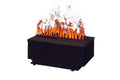
Both are no-venting, no-gas-line installations, but water vapor fireplaces produce the most realistic flame effect available without combustion — using ultrasonic mist and LED lighting. Water vapor units require more precise enclosure preparation and airflow control to perform correctly. Electric Fireplaces Depot provides step-by-step installation guidance for water vapor units specifically because the enclosure environment directly affects flame quality.
How do I spec the right electric fireplace for a new construction project versus a retrofit?
New construction gives you full control over enclosure dimensions, electrical rough-in placement, and HVAC positioning — which means more product options and a cleaner install. Retrofits require evaluating the existing enclosure, wall assembly, and nearby HVAC before specifying a unit. Electric Fireplaces Depot works through both scenarios with contractors when project details are shared, recommending the correct unit and flagging installation considerations before the order is placed.
Will clients be able to troubleshoot smart fireplace issues themselves, or will they call me?
Most connectivity issues — the most common smart feature problem — are resolved at the network level and don't require a contractor. Clients can reconnect the unit to Wi-Fi or reset the app without professional involvement. Because the fireplace itself operates independently of the smart features, there's no scenario where a network issue takes the unit offline entirely.
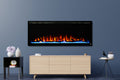
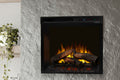
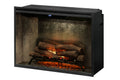
Here is seletion of the most realistic electric fireplaces today; https://electricfireplacesdepot.com/collections/most-realistic-electric-fireplaces
Let us help you make your electric firplace project easier. Call or text us 800-309-2144 or email Pro@electricfireplacesdepot.com.