1-800-309-2144
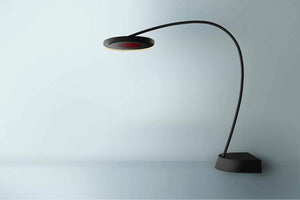
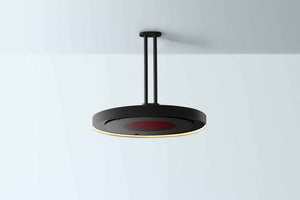

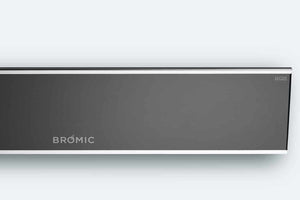
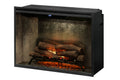
Quoting a residential project without locked-in fireplace specs is one of the fastest ways to lose margin and credibility at the same time. Material pricing that shifts mid-project, installation requirements you didn't anticipate, or a unit that doesn't fit the enclosure as drawn — any one of these can turn a clean job into a costly rework. The builders who protect their reputation and profit margins consistently do one thing differently: they spec the fireplace before the quote goes out, not after. Here's how to do that correctly, and why Electric Fireplaces Depot is built specifically to support that process.
Why Do Most Builders Get Burned by Fireplace Specs?
The problem usually isn't the product — it's the sequence. Most builders source fireplace information from affiliate websites or general retail listings that show a price but don't tell you what that price actually includes, what the enclosure needs to look like, or whether the unit ships complete and ready to install. You quote based on what you see. Then the unit arrives and you're dealing with framing modifications, venting you didn't plan for, or a clearance requirement that conflicts with the wall assembly already in place.
Most people treat fireplace selection as a finish decision instead of a structural one. By the time a client picks a flame style or a surround finish, the enclosure is already framed, the wall is closed, and your options are limited. Locking in specs early — before framing, before drywall, before the quote — eliminates that entire category of problem.
The other common mistake is relying on pricing from sources that can't commit to it. Retail listings change. Affiliate sites don't control inventory or pricing. If you're building a quote around a number that isn't backed by a direct manufacturer relationship, you're carrying risk you don't know about yet.
What Does "Locking In Specs" Actually Mean for a Residential Project?
Locking in specs means having four things confirmed before your quote goes out:
The Correct Unit for the Application
Not every electric fireplace is specified for every application. Some units are designed for new construction with framed enclosures built to exact dimensions. Others are retrofit-ready and designed to drop into an existing opening with minimal modification. Getting this wrong means either a unit that doesn't fit cleanly or one that requires enclosure work you didn't price.
When you reach out to Electric Fireplaces Depot, the first question is always: tell me about the project — new build or retrofit? That single answer changes the product recommendation entirely. For new construction, we can spec a unit that the framing team builds around. For a retrofit, we identify units with flexible installation tolerances that reduce install complexity and shorten install time.
Complete Installation Requirements Upfront
Electric units are ideal for projects requiring simplicity, reliability, and zero venting. No gas line needed. No combustion. No venting required. That simplicity is real — but the installation environment still matters. Enclosure depth, clearance requirements, electrical rough-in location, and airflow management all need to be confirmed before framing closes.
We've worked on thousands of installs. Most issues come from enclosure prep and airflow — not the unit itself. The product is only 50% of success. The install environment is the other 50%. When you spec with us before the quote, we walk through the installation guidelines specific to the unit you're considering, so there are no surprises when the crew shows up.
Firm Pricing Tied to a Direct Manufacturer Relationship
Electric Fireplaces Depot works directly with manufacturers for factory-direct pricing. That means the number we give you is the number — not a placeholder that changes when inventory shifts or a promotional price that expires before your project starts. Trade pricing is available for builders and designers who are working on residential projects, and we can discuss what that looks like for your specific scope.
If you're quoting a multi-unit project or a development with several fireplaces, pricing needs to be locked before the quote goes out. We can spec this with you to make sure the number you're presenting to a client is protected.
A Unit That Integrates Cleanly With Your Timeline
Builder-grade reliability means the unit ships complete, arrives when you need it, and doesn't require a second visit from a specialist to make it work. Project-ready units with low-maintenance installation profiles reduce post-install service calls and keep your client delivery timeline intact. That's not a marketing claim — it's the operational reason trade professionals choose to spec electric over gas on residential projects where schedule certainty matters.
How Does the Spec Process Work With Electric Fireplaces Depot?
It's a direct conversation, not a form you fill out and wait on. When you contact us, we ask the questions that actually matter for the project:
-
What stage of construction are you in right now?
-
Is there an existing enclosure or are you building from scratch?
-
Who is making the final specification decision — builder, designer, or client?
-
What's the intended use — architectural feature, luxury focal point, or supplemental heat?
Based on your answers, we recommend the correct unit and installation approach. If you can send over plans or project details, we can go deeper — confirm rough-in dimensions, identify any enclosure conditions that need to be addressed before framing, and provide complete material specifications you can attach to your quote package.
The goal is simple: I'll spec this correctly so you don't have problems after install. That's the commitment. Not a product pitch. A spec that protects your margin and your reputation.
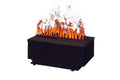
Water vapor fireplaces are worth a specific mention here. They deliver the most realistic flame effect available without combustion — genuinely impressive as a client-facing visual impact in high-end residential projects. However, they require proper enclosure preparation and airflow control to perform correctly. We've seen the same installation mistakes repeatedly — dust exposure, poor enclosure sealing, and cross drafts. We provide guidance upfront to prevent those issues. If a water vapor unit is on the table for your project, that's exactly the kind of spec conversation we need to have before the quote goes out, not after.
What Should You Have Ready Before You Reach Out?
The more context you bring to the conversation, the faster we can lock in a complete spec. You don't need everything — but having a few key details ready makes the process faster and the output more useful.
Checklist
-
Confirm project type first — know whether this is a new build or a retrofit before the conversation starts; it determines the entire product category
-
Have rough enclosure dimensions available — width, height, and depth of the planned or existing opening so we can confirm unit fit without assumptions
-
Identify the electrical rough-in location — electric fireplaces for residential projects require a dedicated circuit; confirm where that's landing before framing closes
-
Clarify the intended use — is this an architectural feature for visual impact, a supplemental heat source, or both? This affects which unit is specified for the application
-
If you're a builder quoting multiple units, ask specifically about trade pricing and project-level commitments — Electric Fireplaces Depot works directly with trade professionals on residential and multi-unit projects
-
Send plans or project details if you have them — a floor plan excerpt or elevation drawing lets us spec the unit and installation approach with precision, not guesswork
FAQ
How early in a residential project should I lock in the fireplace spec?
Before framing closes — ideally at the rough-in planning stage. Electric fireplaces require specific enclosure dimensions and electrical rough-in locations. If those aren't confirmed before the wall assembly goes in, you're either modifying framing later or working with a unit that doesn't fit the space as designed. Specifying early eliminates both problems.
What's the difference between specifying a unit for new construction versus a retrofit?
New construction allows you to frame the enclosure to the unit's exact specifications, which gives you the cleanest install and the most flexibility in product selection. Retrofit projects require a unit sized and designed to fit an existing opening — often with more flexible tolerances — to avoid structural modifications. Electric Fireplaces Depot asks about the project type upfront because the recommendation changes entirely based on the answer.
Do electric fireplaces really work without any venting or gas line?
Yes. Electric fireplaces require no venting, no gas line, and no combustion. They run on a standard dedicated electrical circuit. This is one of the primary reasons trade professionals specify them on residential projects — the installation environment stays clean, there's no coordination required with gas contractors, and the install complexity is significantly lower than traditional alternatives.
What makes water vapor fireplaces harder to spec than standard electric units?
Water vapor fireplaces produce the most realistic flame effect available without combustion, but they require controlled airflow environments, properly sealed enclosures, and protection from dust and debris during and after construction. The most common installation failures involve cross drafts, poor enclosure sealing, or exposure to construction dust before the unit is commissioned. Electric Fireplaces Depot provides step-by-step installation guidance for water vapor units specifically to prevent those issues.
Can I get firm pricing before the quote goes out, or will it change?
Electric Fireplaces Depot works directly with manufacturers, which means pricing is backed by a direct factory relationship rather than a retail listing that fluctuates with inventory. Trade pricing is available for builders and designers on residential projects. The best way to get a firm number is to start the spec conversation with your project details so pricing is tied to a confirmed unit and configuration, not a general estimate.
What if I don't have full plans yet — can I still get a useful spec?
Yes. Even with rough dimensions and a general sense of the project type, Electric Fireplaces Depot can narrow the product category, identify installation requirements to plan around, and flag any enclosure or airflow conditions worth addressing early. A partial conversation now prevents a costly correction later. Send what you have and we'll work with it.
Builders who quote confidently do it because they've eliminated the unknowns before the number goes out — not after. If you're working on a residential project and need complete material specifications, installation requirements, and firm pricing before your quote is finalized, that's exactly the conversation Electric Fireplaces Depot is set up to have.
Call / Text us at 800-309-2144 or email Pro@electricfireplacesdepot.com with your project details. If you want a quick call to spec this correctly, we're ready when you are.