1-800-309-2144

There's a specific kind of frustration that experienced construction project managers know well. You're sitting in a coordination meeting about a fireplace rough-in, watching the clock, knowing that three other things on your site right now actually need your eyes on them. The fireplace isn't complicated. But somehow, it's consuming time you don't have.
That's not a fireplace problem. That's a specification problem.
When the wrong product gets specified early in a project, it creates a chain reaction of coordination dependencies that follows you through every phase of construction. Gas line scheduling. Venting penetrations. Multi-trade sign-offs. Inspections. And then, after all of that, post-install service calls when something doesn't work the way the client expected.
Project managers aren't stretched thin because construction is hard. They're stretched thin because too many decisions made upstream—before they had full context—generate downstream complexity that lands squarely on their plate. The fireplace is a small line item that punches well above its weight in coordination overhead.
Most people get this wrong: they treat the fireplace as a finish item. It's not. It's a systems item, and when it's treated like one from the start, it stops generating meetings and starts disappearing into the background where it belongs.
Why Fireplaces Create Disproportionate Project Management Overhead
Most project managers don't think twice about a fireplace specification until it becomes a problem. By then, you're already in it.
A traditional gas fireplace or vented unit requires coordination across multiple trades and timelines. The gas line has to be roughed in during a specific window. The venting penetration has to be framed and sealed before drywall. The HVAC contractor may need to be looped in depending on the venting path. If any one of those pieces slips—and on a busy site, something always slips—you're looking at rework, schedule compression, or a conversation with the client about why the feature they were most excited about isn't ready.
That's before you factor in inspections. Depending on jurisdiction and building type, a gas appliance installation can trigger a separate inspection process with its own scheduling dependencies. On a multi-family project with multiple units, that overhead multiplies fast.
The irony is that the fireplace itself is rarely the thing that fails. It's everything around it—the coordination, the sequencing, the trades who weren't aligned—that creates the headaches. And those headaches pull project managers out of the places they're actually trained to manage: structural quality, safety, sequencing decisions that require real judgment.
When you're troubleshooting a fireplace installation at the end of a project, you're not managing quality. You're doing damage control. That's a different job, and it's one that erodes the reputation you've built by doing the first job well.
The Specification Decision That Gives You Time Back
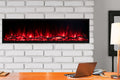
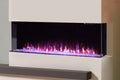
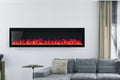
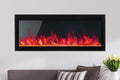
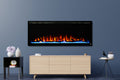
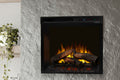
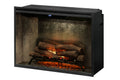
Electric fireplaces—particularly premium electric units specified correctly for the application—eliminate the majority of that coordination overhead at the source.
No gas line needed. No venting required. No multi-trade dependencies tied to a single appliance. The unit integrates cleanly into most wall assemblies, and the installation timeline is controlled by the finish schedule, not by a gas contractor's availability or an inspection queue.
For project managers, that's not a minor convenience. That's a structural reduction in coordination complexity. When a fireplace doesn't require its own inspection process, its own trade scheduling window, or its own framing accommodations for a flue, it stops generating meetings. It becomes a product that gets installed when the space is ready, by the team already on site, without a phone call to three other contractors first.
On multi-family projects, the impact scales. Specifying electric units across multiple units means the fireplace installation process is predictable and repeatable. There's no variability introduced by gas line pressure testing, no venting alignment issues, no unit-by-unit inspection scheduling. The same clean installation environment, repeated across every unit, with minimal service requirements after handoff.
That predictability is what project managers actually need. Not a better fireplace—a fireplace that doesn't create unpredictable downstream work.
Electric Fireplaces Depot works directly with trade professionals to specify the right unit for each application before the project reaches the installation phase. That means project managers aren't making a rushed decision under schedule pressure. They're working from a specification that was built for their project type, their enclosure conditions, and their client expectations from the start.
What Correct Specification Actually Looks Like in Practice
The difference between a fireplace that disappears into a project and one that generates post-install service calls almost always comes down to two things: product selection and enclosure preparation.
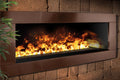
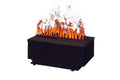
Here's what typically causes issues in the field: units specified without regard for the enclosure environment, airflow conditions, or the actual use case. A linear electric fireplace specified for a high-traffic lobby behaves differently than the same unit in a residential living room. A water vapor fireplace installed in an enclosure with cross-draft or dust exposure will underperform regardless of product quality. These aren't product failures—they're specification failures.
The product is only 50% of success. The install environment is the other 50%.
When Electric Fireplaces Depot works with trade professionals, the conversation starts with the project, not the product. New build or retrofit? What stage of construction are you in right now? Is there an existing enclosure or are you building from scratch? What's the intended use—visual feature or supplemental heat? Who is making the final specification decision—builder, designer, or client?
Those questions aren't procedural. They're how we prevent the problems we've seen repeatedly across thousands of installations. Dust exposure, poor enclosure sealing, cross-draft, units specified for the wrong application—these are the issues that generate post-install service calls. And every post-install service call is a site visit, a meeting, a conversation with a client, and a line item on a project that was supposed to be closed.
Specifying correctly the first time eliminates that. We'll make sure you don't run into the common issues we see in the field before the project reaches installation—not after.
Protecting Your Reputation Starts at Specification
Project managers carry the weight of every decision that was made before they arrived and every problem that surfaces after they leave. That's the nature of the role. But not every source of downstream complexity is inevitable.
The fireplace is a client-facing visual impact item. It's often the first thing a client notices when they walk into a finished space, and it's one of the features they're most likely to comment on—positively or negatively. When it performs well, it reflects on the quality of the project. When it doesn't, that conversation lands with you.
Specifying a premium electric fireplace through a credible source, with proper guidance on enclosure preparation and installation conditions, is one of the lowest-risk decisions a project manager can make. It removes a multi-trade coordination dependency from the schedule, reduces post-install service requirements, and delivers the kind of realistic flame visual that clients respond to—without combustion, without venting, and without the inspection overhead.
That's not a small thing when you're managing a project where your time and attention are already stretched across a dozen higher-stakes decisions.
Electric Fireplaces Depot specializes in working with trade professionals—builders, contractors, designers, and project managers—who need reliable specs, project-ready units, and guidance that prevents problems before they happen. If you're in the planning phase of a project and want to specify this correctly before it reaches the field, reach out directly. Call or text us 800-309-2144 or email Pro@electricfireplacesdepot.com with your project details and we'll make sure you're working from the right specification from the start.