1-800-309-2144

When you're developing or renovating apartment buildings, every specification decision carries weight beyond the initial install. The choice between electric and gas fireplaces isn't just about aesthetics—it's about liability, ongoing maintenance costs, insurance implications, and tenant safety across dozens or hundreds of units.
Most developers focus on upfront costs, but here's what most people get wrong: the real expense comes after occupancy. Gas fireplaces in multi-family properties create ongoing operational headaches that electric units simply don't. Let's examine the differences that matter most when you're responsible for multiple units and long-term building operations.
Safety Profile: Insurance and Liability Considerations
Gas fireplaces introduce combustion into residential units, which fundamentally changes your risk profile. Insurance providers understand this reality, often requiring additional coverage or higher premiums for buildings with gas appliances in individual units.
Electric fireplaces eliminate combustion entirely. No open flames, no gas leaks, no carbon monoxide concerns, and no chimney fires. For multi-family applications, this translates to cleaner insurance conversations and reduced liability exposure. Many property management companies specify electric units specifically because they're safe for multi-family applications without the monitoring requirements that gas units demand.
The truth about gas fireplace incidents in apartment buildings is sobering. Tenant misuse, improper maintenance, and aging gas lines create scenarios that electric units can't replicate. When you're managing multiple units, eliminating these variables makes operational sense.
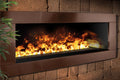
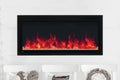
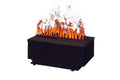
Water vapor fireplaces deliver the most realistic flame effect available without combustion, giving you the visual impact clients expect while maintaining the safety profile that insurance providers and property managers prefer.
Installation Complexity: Venting, Gas Lines, and Code Compliance
Gas fireplace installation in multi-family buildings requires coordination with multiple trades and utilities. You need gas line routing, venting systems, and code-compliant clearances that vary by jurisdiction. Each unit requires individual gas connections, which means more penetrations, more potential failure points, and more complex inspections.
Electric units require controlled airflow environment but no venting required and no gas line needed. This dramatically reduces install complexity and shortens install time. For new construction projects, this means cleaner coordination between trades. For retrofit applications, you avoid the complications of routing gas lines through existing structures.
Code compliance becomes straightforward with electric units. Most jurisdictions treat them as appliances rather than combustion devices, simplifying the approval process. The installation guidelines are consistent across units, reducing the chance of field variations that create problems during final inspections.
We've worked on thousands of installs—most issues come from enclosure prep and airflow, not the electrical connections. The product is only 50% of success—the install environment is the other 50%. But unlike gas installations, these variables are controllable and predictable.
Maintenance Requirements: Tenant Impact and Service Calls
Gas fireplaces require annual inspections, gas line monitoring, and chimney maintenance. In a multi-family setting, this means coordinating service access across multiple units, scheduling around tenant availability, and managing the costs of regular professional maintenance.
Electric fireplaces offer minimal service requirements, which reduces post-install service calls significantly. No gas components to inspect, no venting systems to clean, and no combustion byproducts to manage. This translates to lower ongoing operational costs and fewer tenant disruptions.
The maintenance reality for property managers is stark: gas units generate service calls for everything from pilot light issues to suspected gas odors. Electric units typically require only occasional cleaning and LED replacement after years of operation. When you're managing multiple buildings, this difference compounds quickly.
Modern electric fireplaces are designed to avoid dust and debris intake issues that plagued earlier models. Premium units include protective features that extend component life and reduce maintenance frequency.
Long-Term Operational Considerations
Predictable operating cost becomes crucial when you're projecting building expenses across multiple units and years. Gas prices fluctuate, and gas appliances require ongoing utility connections for each unit. Electric fireplaces operate on standard electrical service, making cost projections straightforward.
Tenant turnover creates additional considerations with gas units. Each new tenant requires education about safe operation, and property managers must verify that safety features remain functional. Electric units eliminate these concerns while providing the luxury focal point that attracts quality tenants.
The client-facing visual impact of modern electric fireplaces matches or exceeds gas units, particularly with water vapor technology. Tenants get the ambiance they want without the operational restrictions that gas units often require in rental properties.
Making the Right Specification Decision
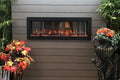
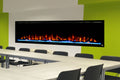
For multi-family developers, electric fireplaces deliver architectural features that enhance unit appeal while reducing long-term operational complexity. They integrate cleanly into most wall assemblies and scale across multiple units without the infrastructure complications that gas systems create.
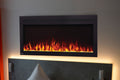
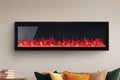
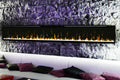
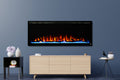
The modern linear aesthetic of premium electric units provides the luxury focal point that differentiates your properties while maintaining the safety profile and maintenance simplicity that makes operational sense for multi-family applications.
When specifying fireplaces for apartment buildings, the question isn't whether electric or gas looks better—it's which choice reduces your long-term risk while delivering the tenant experience that drives occupancy and retention.
Electric fireplaces represent the evolution of multi-family amenities: delivering premium aesthetics without the operational complications that gas systems introduce. For developers focused on long-term building performance and tenant satisfaction, electric units offer the reliability and safety profile that modern multi-family properties require.
If you're planning a multi-family project and want to spec this correctly so you don't have problems after install, Electric Fireplaces Depot can help you select the right units and installation approach for your specific application. We work directly with manufacturers to provide trade pricing on premium electric fireplaces designed for new construction and retrofit projects. Call us at 800-309-2144 or reach out at Pro@electricfireplacesdepot.com to discuss your project requirements and ensure you're specifying units that will perform reliably across your building portfolio.