1-800-309-2144
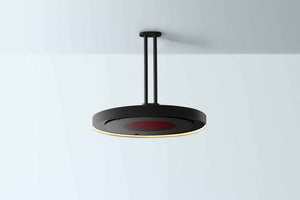

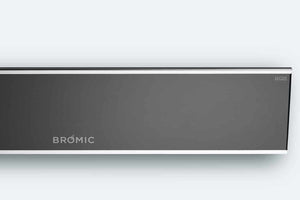
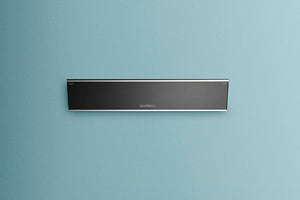
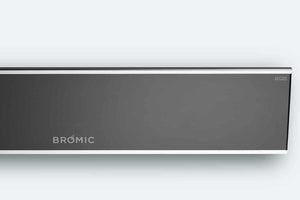
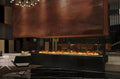
Electric fireplaces are one of the most reliable spec choices for minimizing post-install callbacks on residential projects. Because they require no gas line, no venting, and no combustion, the installation variables that most commonly trigger service calls after a project closes simply don't exist. For designers managing multiple concurrent projects, that reduction in post-install exposure is significant—and the premium linear aesthetics available today mean you're not trading visual impact to get it.
What Actually Causes Fireplace Callbacks in Residential Projects?
Most post-install fireplace callbacks don't originate with the unit itself. They come from the installation environment—venting runs that weren't sealed correctly, gas connections that require adjustment, clearance issues discovered after drywall is up, or flame behavior that changes with seasonal pressure shifts in the home.
The pattern is consistent across residential projects: the more a fireplace installation depends on site conditions—gas supply, venting path, combustion air—the more variables exist after the project closes. Each variable is a potential callback.
Electric fireplaces remove that entire category of risk. There's no gas line to commission, no venting to inspect, no combustion byproducts to manage. The unit plugs into a standard dedicated electrical circuit, the enclosure is built to spec, and the installation is done. The remaining variables are almost entirely within the designer's control before the project closes: enclosure dimensions, clearances, and finish details.
This is the core reason electric units have become the go-to spec for designers who want a luxury focal point without inheriting post-install liability.
Which Electric Fireplace Features Reduce Service Requirements Long-Term?
Not all electric fireplaces carry the same low-maintenance profile. The units most likely to stay off your callback list share a specific set of characteristics.
| Feature | Why It Reduces Callbacks |
|---|---|
| No venting or gas connection | Eliminates combustion-related service calls entirely |
| LED flame technology | Long service life, no bulb replacements or burner maintenance |
| Sealed flame chamber | Reduces dust ingestion and internal component exposure |
| Simple dedicated circuit power | No gas commissioning, no annual safety inspections required |
| Clean linear enclosure design | Straightforward framing, fewer finish-related issues at close |
The takeaway: units with LED-based flame systems and sealed internal chambers consistently deliver the lowest long-term service burden because there are no consumable components and no combustion process to maintain.
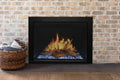
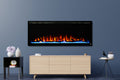
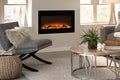
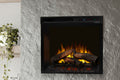
Premium electric fireplaces also deliver the client-facing visual impact that justifies the spec—modern linear aesthetics, realistic flame visuals without combustion, and clean architectural integration that reads as a luxury focal point in photography and in person.
How Do You Spec an Electric Fireplace to Avoid the Most Common Install Problems?
Even with electric units, the enclosure prep is where most preventable issues originate. The product is only part of the equation—the install environment is the other part.
Get the enclosure dimensions right before ordering
Every electric fireplace has specific rough opening requirements. Ordering before confirming those dimensions with the GC is the single most common source of delays and fit issues. Confirm the framed opening, depth availability, and finishing clearances before the unit ships.
Match the unit to its intended use
A unit specified as a visual architectural feature has different requirements than one specified for supplemental heat. Oversizing or undersizing for the application leads to client dissatisfaction that registers as a callback even when nothing is technically wrong. Clarify upfront: is this a visual feature, supplemental heat, or both?
Confirm the electrical rough-in early
Electric fireplaces require a dedicated circuit—typically 120V or 240V depending on the unit. If the electrical rough-in isn't coordinated before drywall, the correction becomes a significant cost and schedule issue. This is a coordination step, not a fireplace issue, but it's the most consistent field problem Electric Fireplaces Depot sees when supporting trade professionals through installation.
Use manufacturer installation guidelines, not field assumptions
Premium electric fireplaces come with specific clearance and framing requirements. Following them exactly produces a clean install. Deviating based on field assumptions is where finish and performance issues appear after close.
Are Premium Electric Fireplaces Credible as a Luxury Spec?
This is the question designers ask most directly: can an electric fireplace actually hold up visually in a high-end residential project, or does it read as a compromise?
The answer has changed materially in recent years. Modern premium electric fireplaces—particularly European-designed linear models—deliver flame visuals and architectural presence that photograph well, impress clients at walkthrough, and hold up to comparison with any other fireplace type in a residential setting.
The designer who worked with Electric Fireplaces Depot on a recent client project put it this way: "We had a great experience with Electric Fireplaces Depot. Their team prioritized customer service and offered helpful guidance in selecting the right fireplace for our client. The final result turned out beautifully."
That combination—expert guidance on unit selection plus a product that delivers genuine visual impact—is what separates a successful spec from one that generates follow-up calls. The unit has to be right for the application, and the spec has to be supported by someone who knows the product.
Electric Fireplaces Depot carries exclusive European luxury brands not available elsewhere online, specifically because trade professionals specifying premium residential projects need products that carry visual credibility alongside low-maintenance reliability.
The Spec-Safe Choice for Designers Who Can't Afford Callbacks
For designers managing concurrent residential projects, the math on callbacks is straightforward: one post-install service call costs more in relationship capital than the entire margin on the project. Electric fireplaces—properly specified—eliminate the most common callback triggers while delivering the luxury focal point clients expect.
The units that perform best in this role share a consistent profile: LED flame technology, sealed internal chambers, clean linear aesthetics, no venting, no gas line, and straightforward dedicated-circuit electrical requirements. Specified correctly for the enclosure and the application, they integrate cleanly into most wall assemblies with minimal long-term maintenance.
For trade professionals who want to spec with confidence, Electric Fireplaces Depot's trade professionals product category is built specifically around this need—curated units, factory-direct pricing, direct warranty support, and expert guidance on unit selection before the order is placed.
Checklist
- Confirm the framed rough opening dimensions with your GC before placing the unit order—enclosure mismatches are the most preventable source of install delays.
- Coordinate the dedicated electrical circuit rough-in before drywall to avoid costly corrections on residential remodel or new construction projects.
- Clarify the intended use (visual feature vs. supplemental heat) with the client before specifying—this determines the correct unit size and heating output.
- Review the manufacturer's clearance and framing requirements against your wall assembly before finalizing the finish plan.
- For designers specifying multiple units across a project or portfolio, ask about trade pricing—Electric Fireplaces Depot offers trade pricing for designers and architects.
- Specify LED-based electric fireplaces with sealed flame chambers for the lowest long-term service burden on residential projects.
FAQ
What types of fireplaces cause the most post-install callbacks on residential projects? Fireplaces that depend on gas connections, venting runs, and combustion air management introduce the most post-install variables. Venting that wasn't sealed correctly, gas pressure adjustments, and clearance issues discovered after drywall is up are the most common callback triggers. Electric fireplaces eliminate these variables by removing combustion, gas, and venting from the equation entirely.
Do electric fireplaces look realistic enough for high-end residential projects? Modern premium electric fireplaces—particularly European-designed linear models—deliver flame visuals and architectural presence that hold up in luxury residential settings. The flame technology has advanced significantly, and the clean linear aesthetics photograph well and read as a genuine luxury focal point at client walkthrough. The key is specifying a premium unit matched to the application, not a builder-grade option.
What electrical requirements do electric fireplaces need for residential installation? Most electric fireplaces require a dedicated circuit—either 120V or 240V depending on the unit's size and heating output. The dedicated circuit rough-in needs to be coordinated before drywall to avoid corrections later. This is a coordination step between the designer and GC, not a product issue, but it's the most consistent field problem that comes up when the electrical isn't planned early.
Can I spec the same electric fireplace model across multiple units in one project? Yes, and this is one of the practical advantages of electric fireplaces for multi-unit residential or multi-room projects. Because there's no gas line or venting infrastructure required, identical units can be specified across multiple rooms or units without the cumulative complexity of running separate venting paths. This also simplifies warranty and service coordination if anything needs attention after close.
What is the most common installation mistake that leads to electric fireplace callbacks? The most consistent issue is enclosure prep—specifically, ordering a unit before confirming the framed rough opening dimensions with the GC. Fit issues at installation are almost entirely preventable by confirming dimensions before the order is placed. The second most common issue is failing to coordinate the dedicated electrical circuit rough-in before drywall.
How do I get trade pricing on electric fireplaces for my residential projects? Electric Fireplaces Depot offers trade pricing for designers, architects, builders, and contractors. Reaching out directly with project details—unit count, application, enclosure dimensions—is the fastest path to a spec recommendation and trade pricing. Contact via phone, text, or email works for most trade inquiries.
Are water vapor fireplace models appropriate for residential callback-reduction specs? Water vapor fireplaces deliver the most realistic flame effect available without combustion and can be an excellent residential spec. They do require proper enclosure preparation and controlled airflow to perform correctly—dust exposure, poor enclosure sealing, and cross drafts are the most common installation issues. When installed correctly with proper guidance, they perform exceptionally well; the key is working with a supplier who provides installation guidance upfront, before problems develop.
If you're at the stage of specifying a fireplace for a current residential project and want to confirm the right unit before the order is placed, Electric Fireplaces Depot's team is available to work through the details with you. Call or text 800-309-2144, or reach the trade team directly at pro@electricfireplacesdepot.com.