1-800-309-2144

For luxury custom home builders, Water Vapor Fireplace technology delivers the most realistic flame effect available without combustion — making it the clear premium choice when a client expects a fireplace that looks genuinely alive. The right recommendation depends on enclosure size, architectural intent, and — critically — how well the installation environment is prepared. The product is only half the equation. The other half is getting the install right.
Why Water Vapor Fireplaces Work for Luxury Projects
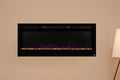
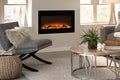
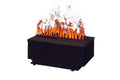
Water vapor fireplaces produce flame, smoke, and ember effects using ultrasonic technology and LED lighting — no combustion, no gas line, no venting required. For luxury custom homes, that combination matters more than most builders initially expect.
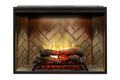
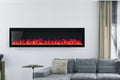
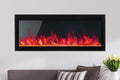
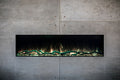
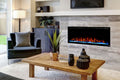
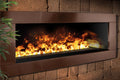
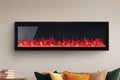
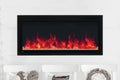
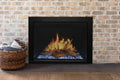
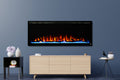
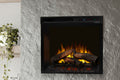
The visual result is unlike any other fireplace category. The flame has depth, movement, and translucency that standard electric fireplaces simply cannot replicate. When a client walks into a finished great room and sees that effect behind glass, it reads as real — and that perception is exactly what protects your reputation in a high-end market.
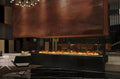
From a construction standpoint, water vapor units are designed for indoor architectural features and integrate cleanly into most wall assemblies. No gas line needed, no combustion byproducts, and no venting complications that can conflict with tight envelope construction. For new builds where a designer or architect has specified a linear fireplace as a focal point, a water vapor unit delivers the client-facing visual impact without the framing complexity of a gas system.
The result: a clean installation environment, reduced post-install service calls, and a luxury focal point that holds up over time.
What Should You Actually Spec for a High-End Custom Build?
Spec decisions for water vapor fireplaces come down to four variables: opening width, enclosure depth, intended viewing distance, and whether the unit is a visual feature only or also needs to deliver supplemental heat.
| Variable | What It Drives | Common Mistake |
|---|---|---|
| Opening width | Unit size and flame bed length | Undersizing for large rooms |
| Enclosure depth | Airflow clearance and unit fit | Insufficient depth causing restricted airflow |
| Viewing distance | Flame intensity and LED settings | Selecting low-output units for large open spaces |
| Heat vs. visual only | Model selection and wattage | Over-specifying heat in rooms with other HVAC |
The key takeaway: a unit that looks right on paper can underperform in the field if the enclosure isn't built to the installation guidelines. Most issues we see come from enclosure prep — not the unit itself.
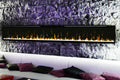
For large open-plan living areas or double-sided feature walls, wider linear units in the 60-to-100-inch range are typically specified. For media walls, bedroom feature walls, or tighter architectural niches, mid-range units in the 40-to-60-inch range are more appropriate. Electric Fireplaces Depot works as a factory-direct authorized dealer for exclusive European luxury brands not available elsewhere online — brands built specifically for the performance expectations of luxury residential projects.
What Installation Issues Do Luxury Builders Run Into — and How Do You Avoid Them?
Water vapor fireplaces perform exceptionally well when installed correctly. The problems we see repeatedly in the field are predictable and preventable — but only if they're addressed before the drywall goes up.
Dust and debris exposure during construction is the most common issue. Water vapor units draw air through the unit to generate the mist effect, which means an open enclosure during active construction can pull in drywall dust and debris. The unit should be protected or installed after the construction environment is clean.
Poor enclosure sealing is the second issue. If the enclosure isn't properly sealed, air pressure differences between the firebox and the room disrupt the vapor column — the flame effect looks weak or inconsistent. Proper sealing around the unit is not optional on a luxury install.
Cross draft is the third. Units installed near HVAC registers, operable windows, or ceiling fans can experience airflow interference that breaks up the flame effect. The installation guidelines address this directly, and we walk builders through the placement considerations upfront.
One designer we worked with put it plainly: "Their team prioritized customer service and offered helpful guidance in selecting the right fireplace for our client. The final result turned out beautifully." That outcome doesn't happen by accident — it happens because the spec and the install environment were handled together, not separately.
We guide that process step by step. The goal is to make sure you don't run into the common issues we see in the field — before they become a client conversation you don't want to have.
How Do You Know You're Getting a Genuinely Premium Unit — Not Just a Premium Price?
In the luxury custom home market, the fireplace is a focal point that clients remember. It's one of the few elements in a home where the visual experience is immediate and visceral. A unit that looks slightly off — flame that flickers inconsistently, a glow that looks artificial, a flame bed that doesn't fill the opening — will get noticed.
The markers of a genuinely premium water vapor unit are consistent flame column height, multi-layer LED color rendering that mimics real combustion, a realistic ember bed, and the ability to operate the flame effect independently of any heat function. European-manufactured units designed for architectural applications tend to lead in these areas — and those are exactly the brands Electric Fireplaces Depot carries as a factory-direct authorized dealer.
Factory-direct authorization matters for luxury projects for a specific reason: warranty support is direct, not filtered through a distributor. If something needs to be addressed post-install, the path to resolution is shorter and cleaner — which protects your client relationship and your timeline.
When you're spec'ing the right fireplace for a luxury project, the question isn't just which unit looks best in a catalog photo. It's which unit will perform correctly in the specific enclosure you're building, and which supplier will back you up if anything needs attention after installation.
That's the standard Electric Fireplaces Depot holds itself to across every project. If you're in the planning stage, the water vapor fireplace product collection is the right place to start — filter by opening width and application type to narrow the field before we talk through the spec together.
Checklist
- Confirm enclosure dimensions before specifying — opening width, depth clearance, and finished surround dimensions must be documented before selecting a unit size.
- Protect the unit from construction dust — water vapor fireplaces draw air through the system; install only after the construction environment is clean or use temporary enclosure protection.
- Audit airflow sources near the firebox — identify HVAC registers, ceiling fans, and operable windows within the room before finalizing unit placement.
- Seal the enclosure correctly — luxury custom home builders should treat enclosure sealing as a required finish step, not an afterthought, to ensure consistent flame column performance.
- Spec heat function intentionally — if the room has primary HVAC coverage, specify the unit for visual impact only; avoid over-specifying supplemental heat in well-conditioned spaces.
- Work with a factory-direct authorized dealer — for luxury residential projects, direct warranty support and access to exclusive European brands reduces post-install risk and protects client relationships.
FAQ
What is a water vapor fireplace and how does it work? A water vapor fireplace uses ultrasonic technology to convert water into a fine mist, which is then illuminated by LED lighting to create a realistic flame, smoke, and ember effect. There is no combustion, no gas line, and no venting required. The result is the most realistic flame visual available in a non-combustion fireplace format.
Why do water vapor fireplaces sometimes look weak or inconsistent? The most common causes are poor enclosure sealing, cross drafts from HVAC registers or nearby windows, or dust and debris inside the unit from construction exposure. Water vapor units require a controlled airflow environment to produce a consistent flame column — when the enclosure is properly built and sealed, the performance is reliable and visually striking.
Do water vapor fireplaces need venting or a gas line? No. Water vapor fireplaces require only an electrical connection and a water supply or reservoir — no gas line, no venting, and no combustion byproducts. This makes them well-suited for luxury custom homes where tight building envelopes, multi-story construction, or architectural constraints make gas installation complicated or undesirable.
What size water vapor fireplace should I spec for a large open-plan living area? For large open-plan spaces, linear units in the 60-to-100-inch range are typically specified to provide flame bed coverage proportional to the room scale. Viewing distance and enclosure width are the primary drivers — a unit that's undersized for the space will look visually thin from the main seating area, which reads as a finish-quality issue on a luxury project.
How is a factory-direct authorized dealer different from a standard reseller for luxury projects? A factory-direct authorized dealer works directly with the manufacturer, which means warranty claims go directly to the source rather than through a distributor chain. For luxury custom home projects where post-install responsiveness matters, this shortens the resolution path and reduces the risk of delays that affect client relationships. It also provides access to exclusive brands and factory-direct pricing not available through standard retail channels.
Can water vapor fireplaces be used in multi-family or high-rise luxury residential projects? Yes. Because water vapor fireplaces produce no combustion, no gas byproducts, and require no venting, they are safe for multi-family applications and work well in high-rise luxury residential construction where gas systems face code or logistical barriers. They scale cleanly across multiple units in a building without the per-unit complexity of gas installation.
When in the construction process should a water vapor fireplace be installed? Water vapor fireplaces should be installed after the construction environment is clean and free of active dust and debris. The units draw air through the system to generate the mist effect, which means installing during active framing, drywall, or finishing work risks pulling particulate matter into the unit. Coordinate installation timing with your construction schedule to protect the unit before commissioning.
When the fireplace is a defining feature of the home, the spec decision and the installation approach need to be handled together. If you're working through a new build or a luxury renovation and want to talk through the right unit for your specific enclosure and application, reach out directly. Call or text 800-309-2144, or email pro@electricfireplacesdepot.com — the team at Electric Fireplaces Depot is set up to spec this with you and make sure the install goes cleanly from the start.