1-800-309-2144
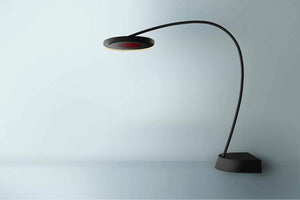
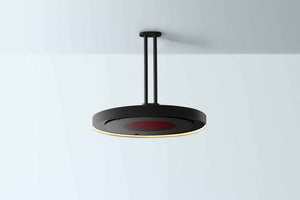

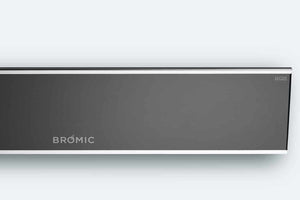
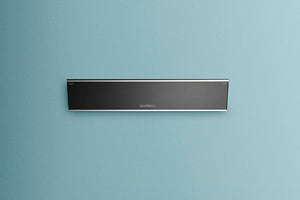
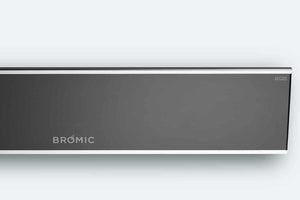
Outdoor electric heaters are allowed under covered patios - provided the unit carries the correct location rating and is installed according to the manufacturer's clearance guidelines. This is not a gray area. Units rated for wet or damp locations are specifically designed and tested for covered outdoor environments. The question trade professionals should be asking is not whether it is allowed, but which unit is rated for the application and what the installation requirements look like before the project reaches the field.
What Location Ratings Actually Mean for Covered Patio Heaters
The short answer: the rating on the heater determines where it can legally and safely be installed. A wet location rating means the unit can tolerate direct water exposure. A damp location rating covers sheltered areas where moisture is present but direct rain contact is unlikely - which describes most covered patios, pergolas, and outdoor dining structures.
Electric heaters designed for covered outdoor use carry wet or damp location ratings that make them suitable for installation under covered patios when installed per manufacturer guidelines. Specifying a unit without verifying the location rating is one of the most common mistakes trade professionals encounter during inspection. The rating is not a marketing claim - it is a tested certification that determines code compliance.
For covered residential and commercial patios, ceiling-mounted and wall-mounted electric heaters are commonly specified because they require no gas line and no venting. That matters for retrofit projects where running a gas line to the patio was never part of the original plan, and for outdoor electric fireplace covered patio applications where clean installation is a priority.
What Are the Clearance Requirements for a Covered Patio Heater?
Proper mounting height and clearance to combustibles are defined by each unit's installation guidelines and must be followed for safe covered-patio use. These numbers are not interchangeable between models - they are product-specific and must be pulled from the manufacturer's documentation before the unit is specified.
Covered patio clearance requirements vary by heater type, wattage, and mounting orientation. Ceiling-mounted infrared heaters typically require specific minimum distances from the ceiling surface itself, from the floor, and from any combustible materials in the horizontal plane. Wall-mounted units carry their own clearance envelope. Installing outside those parameters is not just a code issue - it is a fire risk.
Two additional safety points apply regardless of model. According to BC Hydro, most electric patio heaters have a two- to three-metre cord and extension cords should never be used as a substitute for permanent wiring. According to Electrical Safety First, patio heaters should never be directly covered while in use because that creates a fire hazard. Both points have direct implications for how the installation is planned - the circuit needs to be in the right location, and the heater needs to remain accessible and unobstructed during operation.
How Do Infrared Electric Heaters Perform in Open or Semi-Open Covered Spaces?
Infrared electric heaters heat occupants and surfaces directly rather than the surrounding air, making them effective in open or semi-open covered environments. That distinction matters for covered patios, which are rarely sealed spaces. Convective heat dissipates quickly when there is any air movement. Infrared does not - it delivers warmth to the people and objects in its path regardless of ambient air temperature.
This is why brands like Bromic and Infratech are regularly specified for commercial covered terraces, restaurant patios, and high-end residential outdoor living spaces. Both manufacture units engineered specifically for the demands of semi-exposed outdoor environments, with IP ratings that correspond to their intended installation conditions.
When specifying for a covered patio project, the combination of infrared heating technology and a verified wet or damp location rating gives the installation its performance and compliance foundation. Electric patio heaters also eliminate the combustion byproducts associated with gas alternatives, making them a clean installation choice for covered residential and commercial spaces - which matters in multifamily settings where gas on a balcony or covered patio creates insurance and liability complications.
What Does a Covered Patio Heater Cost to Specify and Install?
The cost of specifying an outdoor electric heater for a covered patio depends on several variables: the unit's wattage and heating coverage, the mounting type (ceiling versus wall), the location rating required, and whether the electrical circuit is already in place or needs to be added.
Premium infrared heaters from brands like Bromic and Infratech carry higher upfront costs than commodity units, but that cost reflects tested performance, verified IP ratings, and manufacturer warranty support - all of which reduce post-install service calls and inspection risk. For trade professionals, the cost of specifying an under-rated or improperly installed unit - a failed inspection, a callback, a liability claim - is considerably higher than the price difference between a specified unit and a generic one.
The electrical side of the installation also factors into the total cost. Permanent wiring rather than a cord-and-plug connection is the correct approach for a fixed ceiling or wall-mounted unit, and that circuit needs to be planned before the ceiling or wall finish is closed. Trade professionals who are also working through electric fireplace permits on adjacent interior scopes will recognize the same logic - the electrical rough-in needs to be right before anything is covered up.
How to Spec an Outdoor Electric Heater for a Covered Patio
Getting the specification right comes down to five decisions made before the unit is ordered:
Checklist
- Confirm the unit carries a wet or damp location rating appropriate for the specific covered patio environment - sheltered versus partially exposed.
- Pull the manufacturer's clearance specifications for the exact model being specified, including minimum distance to ceiling, floor, and combustibles.
- Verify that a dedicated electrical circuit is planned for the installation location - never rely on an extension cord as a permanent solution.
- Confirm mounting type (ceiling or wall) matches the structural capacity and finish of the patio ceiling or wall surface.
- For commercial or multifamily projects, confirm the specification aligns with local building code requirements for outdoor electrical fixtures in covered spaces.
- Request manufacturer installation documentation and cut sheets before finalizing the spec - Electric Fireplaces Depot provides access to full installation guidelines as an authorized dealer.
What Should You Resolve Before the Unit Reaches the Field?
The professionals who avoid inspection problems and callbacks on covered patio heater installations are the ones who resolve the location rating, clearance requirements, and electrical planning before the unit ships. That sequence - spec first, order second - is what separates a clean install from a costly revision.
Electric Fireplaces Depot carries Bromic, Infratech, Solaira, and Aura patio heaters, all specified for residential and commercial covered outdoor environments. As an authorized dealer, Electric Fireplaces Depot provides access to manufacturer installation guidelines and direct warranty support for covered-patio applications. If you are working through a covered patio scope and want to confirm the right unit for the application, the Ceiling Mounted Outdoor Electric Patio Heaters collection is a practical starting point for ceiling-mount specifications.
To talk through the project before you order, call or text 800-309-2144 or email pro@electricfireplacesdepot.com. Describe the space - covered or semi-exposed, residential or commercial, new construction or retrofit - and the right unit and installation approach will follow from there.
FAQ
Are outdoor electric heaters code-compliant for covered patio installation? Yes, when the unit carries the correct wet or damp location rating and is installed per the manufacturer's clearance guidelines, outdoor electric heaters are code-compliant for covered patio use. The location rating is the key compliance marker - it confirms the unit has been tested for the moisture conditions present in a covered outdoor environment. Always verify the rating before specifying.
Which type of outdoor electric heater works best under a covered patio? Ceiling-mounted and wall-mounted infrared electric heaters are the most commonly specified option for covered patios. Infrared heaters warm occupants and surfaces directly rather than the surrounding air, which makes them effective in semi-open spaces where convective heat would dissipate quickly. Brands like Bromic and Infratech manufacture units engineered specifically for covered outdoor environments with verified IP ratings.
Who is responsible for verifying clearance requirements on a covered patio heater installation? The installing trade professional is responsible for verifying that the unit is mounted within the clearance distances specified in the manufacturer's installation documentation. These clearances are product-specific - minimum distances to the ceiling surface, floor, and combustibles vary by model and wattage. Pulling the installation guidelines before the project reaches the field is the correct sequence.
What electrical requirements apply to a fixed outdoor electric heater under a covered patio? A fixed ceiling-mounted or wall-mounted outdoor electric heater requires a dedicated electrical circuit at the installation location. Extension cords are not an acceptable substitute for permanent wiring on a fixed installation - according to BC Hydro, most electric patio heaters have a two- to three-metre cord and extension cords should never be used as a substitute for permanent wiring. The circuit needs to be planned and roughed in before the ceiling or wall finish is closed.
Can outdoor electric heaters be covered or enclosed while in use on a patio? No. According to Electrical Safety First, patio heaters should never be directly covered while in use because that creates a fire hazard. Covered patio installations should be designed so the heater remains unobstructed during operation, with the clearances to surrounding surfaces and combustibles maintained as specified in the product's installation documentation.
Add Electric Fireplaces Depot as a preferred source on Google