1-800-309-2144

Most electric fireplace installations do not require a building permit, but the answer depends on what the installation actually involves - not just the fireplace itself. If you're recessing a unit into a new or modified wall cavity, adding a dedicated circuit, or working inside a multi-family or commercial building, local code requirements may apply. The good news is that electric fireplaces carry far fewer regulatory triggers than gas or wood-burning units, and understanding where those triggers actually live saves your project from unnecessary delays.
Why Do Electric Fireplaces Typically Require Fewer Permits Than Gas or Wood Units?
Electric fireplaces eliminate the three things that most commonly trigger permit requirements for traditional fireplace installations: combustion, venting, and gas line work.
A gas fireplace installation almost always requires a permit because it involves a fuel supply line, a venting system, and combustion inside the structure. Wood-burning fireplaces require chimney construction or modification, fire-rated clearances, and often a structural review. Both categories involve systems that, if installed incorrectly, create fire, carbon monoxide, or structural risk - which is exactly what permit processes are designed to catch.
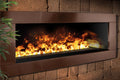
Electric fireplaces have none of those systems. No venting required. No gas line needed. No combustion inside the unit. The flame effect is produced by LED lighting, video, or - in Water Vapor Fireplace units - ultrasonic mist technology. That simplicity is what makes electric units ideal for projects requiring minimal regulatory complexity.
The permit question for an electric fireplace therefore shifts from "does the fireplace require a permit" to "does the installation work require a permit." That distinction matters.
What Site Conditions Actually Trigger a Permit for Electric Fireplace Work?
The installation work around the fireplace is where most permit requirements originate. Three areas come up repeatedly across jurisdictions:
Electrical work. If the installation requires a new dedicated circuit - which many built-in electric fireplaces do - that electrical work typically requires a permit and inspection in most jurisdictions. Running new wiring, adding a subpanel circuit, or upgrading an outlet to a 240V connection all fall under standard electrical permit requirements. The fireplace itself is not the trigger; the circuit work is.
Structural modifications. Building a new enclosure, framing a wall cavity, or cutting into an existing wall may require a permit depending on local building codes and the scope of work. A simple surface-mount installation against an existing wall rarely triggers this. A full built-in installation with custom framing in a new construction or renovation project is more likely to require review.
Occupancy type. Commercial buildings, multi-family residential developments, and hospitality projects often have more stringent requirements than single-family residential. A hotel lobby installation or a multi-unit residential development may require plan review even for electric units, simply because of the occupancy classification.
The practical takeaway: verify the electrical and structural scope of your specific installation before assuming no permit is needed. The fireplace itself is code-compliant out of the box; the surrounding work is where your local AHJ (Authority Having Jurisdiction) may weigh in.
Do Electric Fireplaces vs. Gas or Wood Units Change the Permit Complexity?
The comparison is significant for trade professionals who specify fireplaces across multiple project types.
| Installation Variable | Electric Fireplace | Gas Fireplace | Wood-Burning Fireplace |
|---|---|---|---|
| Venting required | No | Yes | Yes |
| Gas line required | No | Yes | No |
| Combustion inside unit | No | Yes | Yes |
| Structural review (typical) | Sometimes | Often | Almost always |
| Electrical permit (new circuit) | Sometimes | Sometimes | Rarely |
| CO detector requirement | Rarely | Often | Often |
Electric fireplaces consistently require fewer permit triggers than gas or wood alternatives. For projects where simplicity, predictable timelines, and reduced regulatory complexity are priorities - new construction, multi-family, retrofit, hospitality - electric units are the most straightforward path from specification to installation.
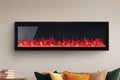
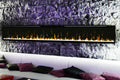
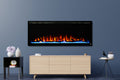
One design firm noted the practical impact of this when specifying a 72-inch linear unit for a large entertainment space: "With 10 different flame colors to select from, heat or no heat depending on season, as well as the highest flames in this category, it's an absolute stunner." The installation moved forward without the venting and gas line coordination that would have complicated the project timeline.
What Should Be Verified Before Installation Starts?
Most installation issues that cause delays don't come from permits - they come from enclosure preparation and site conditions that weren't confirmed before the unit arrived. At Electric Fireplaces Depot, the pattern seen across thousands of installations is consistent: the product is only part of the equation. The install environment is the other part.
Before installation begins, confirm the following:
Electrical access. Verify that the required circuit is in place, correctly rated, and accessible at the installation location. A 120V unit plugging into an existing outlet is straightforward. A 240V built-in requires a dedicated circuit that must be run before the unit arrives on site.
Enclosure dimensions. The rough opening must match the unit's specified dimensions. Getting electric fireplace product specs cut sheets and installation documentation before the installation date prevents the common problem of discovering a dimension mismatch the day the unit is delivered.
Clearances and combustible materials. Even without combustion, most manufacturers specify minimum clearances from combustible materials. These are code-relevant and should be confirmed against the product's installation guidelines.
Local AHJ requirements. If the installation involves new electrical work, a structural enclosure, or a commercial/multi-family occupancy, a quick call to the local building department before work begins is the most reliable way to confirm what's required. Requirements vary by jurisdiction, and what's standard in one city may differ from the next.
Combustion appliance replacement. If you're converting a wood-burning fireplace to electric, the existing firebox, chimney, and any gas stubs should be properly decommissioned or sealed according to local code before the new unit is installed.
What Is the Right Approach for Trade Professionals Managing Multiple Projects?
For contractors, designers, and developers running multiple jobs simultaneously, the permit question is less about any single installation and more about building a consistent pre-installation checklist that prevents surprises.
The most common field problems Electric Fireplaces Depot sees aren't permit violations - they're enclosure dimensions that weren't confirmed, circuits that weren't in place, and clearance requirements that weren't communicated to the framing crew. Permit issues, when they do arise, almost always trace back to electrical work that wasn't scoped correctly at the start of the project.
The cleanest approach: treat the electrical scope as the primary permit question, confirm the enclosure dimensions and clearances before the unit ships, and verify local occupancy requirements for any commercial or multi-family project. That process is straightforward for most residential installations, and it scales cleanly across a development with multiple units.
For projects where you want to confirm the right unit and installation approach before committing, the electric fireplace installation guidance available from Electric Fireplaces Depot covers the enclosure, electrical, and clearance requirements by product - so you're not working from general assumptions when a specific project is on the line.
Checklist
- Confirm whether the installation requires a new dedicated circuit - this is the most common permit trigger for electric fireplace projects.
- Verify rough opening dimensions against the manufacturer's cut sheet before the unit ships to the job site.
- Check local AHJ requirements for any commercial, multi-family, or hospitality project - occupancy type affects permit thresholds.
- Confirm combustible material clearances against the product's installation guidelines before framing is finalized.
- For trade professionals managing new construction or retrofit projects, decommission any existing gas or wood-burning appliance components before the electric unit is installed.
- Request product specs and installation documentation early - enclosure preparation issues cause more delays than permit questions.
FAQ
Do I need a permit just to plug in an electric fireplace? In most jurisdictions, plugging a surface-mount or freestanding electric fireplace into an existing outlet does not require a permit. The unit itself is a listed electrical appliance, and no structural or gas work is involved. If the installation is more complex - a built-in unit, a new circuit, or a modified wall - permit requirements depend on the scope of that surrounding work, not the fireplace itself.
Who decides whether a permit is required - the contractor or the local building department? The Authority Having Jurisdiction (AHJ), typically the local building department, makes that determination. Contractors can assess the likely requirements based on the scope of work, but the definitive answer always comes from the local AHJ. For commercial, multi-family, or any project involving new electrical circuits or structural framing, confirming with the AHJ before work begins is the most reliable approach.
Which electric fireplace installations are most likely to require a permit? Built-in recessed installations that require a new dedicated 240V circuit are the most common scenario where a permit is likely required. Commercial and multi-family projects are also more likely to require plan review, regardless of the fireplace type. Surface-mount or plug-in installations in single-family residential settings rarely trigger permit requirements.
How does permitting for electric fireplaces compare to gas fireplaces right now in 2026? Gas fireplace installations almost universally require permits because they involve gas line connections, venting systems, and combustion - all of which are regulated by building, mechanical, and gas codes. Electric fireplaces eliminate all three of those triggers. In most jurisdictions, the only permit-relevant work for an electric installation is the electrical circuit, which is a narrower and simpler scope than a full gas or wood-burning installation.
What site conditions should be verified before the fireplace arrives on site? Before the unit is delivered, confirm that the dedicated circuit is in place and correctly rated, the rough opening dimensions match the unit's specs, combustible clearances are met in the framing, and any prior gas or wood-burning appliance components have been properly decommissioned. These site conditions - not permit paperwork - are where most installation delays actually originate.
Is a site survey required before installing an electric fireplace? A formal site survey is not typically required for electric fireplace installations the way it might be for a gas appliance or a structural modification. That said, confirming the electrical access, enclosure dimensions, and clearances before installation day is effectively a pre-installation site check - and skipping it is what causes the field problems seen most often. Treat it as standard practice, not a formal requirement.
Where can I get the installation documentation I need before the unit ships? Manufacturers provide cut sheets, installation manuals, and rough opening specifications for every listed product. Electric Fireplaces Depot makes these available before purchase so trade professionals can confirm enclosure dimensions, electrical requirements, and clearances at the planning stage - not after the unit is on site.
If you're working through a current project and want to confirm the right unit, the electrical requirements, or how the installation approach should be scoped, reach out directly. Call or text 800-309-2144, or email pro@electricfireplacesdepot.com - the team at Electric Fireplaces Depot works with trade professionals through exactly these questions every day, and there's no reason to work from assumptions when a quick conversation can confirm the right path forward.
Add Electric Fireplaces Depot as a preferred source on Google