1-800-309-2144
The most realistic flame effects in high-end residential projects come from water vapor fireplaces, holographic flame systems, and advanced multi-layer LED platforms - and the gap between these and standard consumer units is significant. Electric Fireplaces have advanced to the point where the visual impact is a genuine design choice, not a compromise. Electric Fireplaces Depot carries the premium brands that trade professionals actually specify when client-facing visual impact is non-negotiable.
The answer is not one brand fits every project. The right technology depends on the viewing distance, enclosure type, whether the installation is a new build or retrofit, and what level of visual drama the client expects.
What Technologies Actually Produce the Most Realistic Flames?
Four distinct technologies drive flame realism in premium electric fireplaces today, and they perform differently depending on the application.
-
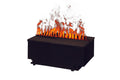
Water vapor with LED illumination. Water Vapor Fireplace technology uses ultrasonic mist and precision LED lighting to produce a three-dimensional flame and smoke effect that moves, flickers, and rises exactly as real fire does. Dimplex engineers its Optimyst line around patented vapor technology and LED illumination to deliver what the company describes as the world's most lifelike 3D flame effect - a claim that holds up in the field. These units produce no combustion and no heat from the flame itself, which makes them ideal for installations where the visual is the entire point: feature walls, hotel lobbies, high-rise residential, and spaces where a real flame would never be permitted.
-
Holographic flame systems. Holographic electric fireplaces project a three-dimensional fire experience using layered optical effects. The Amantii Holo uses holographic flame technology to generate depth and movement that flat LED panels cannot match. These work well in open-view installations where the fireplace is visible from multiple angles.
-
Multi-layer 3D LED systems. Most Real Luxury Fireplaces in the premium LED category use layered flame beds, independently controlled ember and flame zones, and high-intensity output to create a convincing fire at close viewing distances. Modern Flames builds its entire product line around high-intensity electric flames that are engineered to read as the real thing - with customizable flame colors, ember options, and media beds that support both log and crystal presentations.
-
LCD and digital display fireplaces. Some luxury-tier units use high-resolution screens to render photorealistic fire scenes. These are particularly useful in commercial and hospitality applications where the exact visual needs to be consistent and controllable.
The technology type is the first specification decision - not the brand.
Which Brands Do Trade Professionals Actually Specify for Luxury Residential?
Brand selection follows technology selection. Once the technology is matched to the project, the right brand becomes clear.
| Technology | Brand | Best Application |
|---|---|---|
| Water vapor | Dimplex Optimyst | Feature walls, open-view architectural installs |
| Holographic LED | Amantii Holo | Multi-angle viewing, contemporary interiors |
| Multi-layer LED | Modern Flames | Linear built-ins, new construction, retrofit |
| European luxury design | Ortal, Evonic, Flamerite | Architect-specified, high-spec residential |
| Linear premium LED | Napoleon, Sierra Flame | Broad size range, builder-grade reliability |
The European Electric Fireplaces carried by Electric Fireplaces Depot - brands like Ortal, Evonic Fires, and Flamerite Fires - are not widely available through other US online sources. These are the units that show up in architect-specified projects where the fireplace is a primary design element, not an afterthought. Their flame presentations are engineered for architectural integration, and the build quality reflects that.
For designers speccing a built-in electric fireplace into a custom surround, the difference between a premium European unit and a standard consumer product is visible the moment the flame is on. The flame depth, color temperature, and movement behavior are simply not in the same category.
Having worked in this industry for years - speaking with consumers and trade professionals and watching the category grow firsthand - it is clear that price is only one part of why electric fireplaces are gaining ground in luxury residential projects. The bigger drivers are environmental awareness, year-round usability, easier installation for builders and designers, and the remarkable pace of technology improvement. A premium LED fireplace from several years ago would be considered a midlevel product today. Modern architectural-grade units use advanced LED systems, holographic effects, water vapor, and customizable media beds to create flame presentations that were not even seriously discussed a few years back. In many cases, the flexibility and creativity these products offer now exceed what can be achieved with a traditional fireplace. For trade professionals, the installation advantages are equally significant: most electric fireplaces are nonstructural, require no traditional venting or combustion systems, and can be framed with conventional materials and finished with drywall, tile, stone, or other decorative surfaces - helping construction move faster while giving the client more design flexibility. Building codes and local energy policies in dense urban areas and multifamily developments are also pushing designers and developers toward electric as a practical alternative to gas or wood-burning appliances. The growth is coming from all of these directions at once, not from cost alone.
The key takeaway: water vapor leads on absolute realism; holographic and premium LED lead on reliability and installation simplicity; European luxury brands lead on architectural presence and finish quality.
What Separates Architectural-Grade Flame Performance from Standard Units?
This is the question most buyers don't think to ask until after a disappointing installation.
Architectural-grade performance differs from a standard consumer unit in five ways:
Flame depth and layering. Architectural units produce a three-dimensional flame field. Standard units produce a flat image. The difference is immediately apparent at any viewing distance above about six feet.
Color accuracy. Premium units offer natural amber and orange tones that read as fire. Many standard units default to oversaturated or artificially bright colors that break the illusion. The ability to tune flame color toward natural tones is a spec-level feature.
Flame behavior. Realistic flame movement is irregular and responsive. Architectural-grade units use independent LED zones or vapor dynamics to produce the kind of random flicker that makes fire convincing. Looping animations in lower-tier units become obvious after a few minutes of watching.
Media bed options. The visual below the flame - logs, driftwood, crystals, river stones - matters as much as the flame itself. Premium units offer removable or optional media, and many contemporary installations look better without logs at all.
Viewing angle performance. Some units are designed for straight-on viewing only. Architectural installations often require convincing performance from oblique angles. This is where holographic systems and water vapor have a clear advantage.
Grand View Research notes that premium electric fireplace offerings are differentiating themselves specifically on realistic flame effects, smart home connectivity, energy-efficient operation, and customizable installation options - confirming what designers and builders are already seeing in the field.
How Do You Match the Right Technology to a Specific Project?
The right question to ask at the specification stage is: what is this fireplace actually doing in the room?
If it is a primary visual feature - a focal point in a great room, a lobby, or a master suite - water vapor or holographic technology delivers the strongest result. These technologies produce a flame that reads as real from a distance and holds up under close inspection.
If the installation is a wall-mounted electric fireplace in a bedroom or secondary space where the fireplace is ambient rather than architectural, a premium multi-layer LED unit from Modern Flames or Napoleon performs well and installs with less complexity.
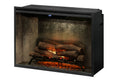
For retrofit installs where an existing opening needs to be converted, Firebox Inserts from brands like Simplifire and Dimplex are engineered to drop into standard openings while delivering a significant upgrade in visual performance over what was there before. A trade professional in the remodeling space rated one such installation "10/10 in renovated NY coop" - a result that reflects how far the technology has come in retrofit applications.
Water vapor units perform exceptionally well when installed correctly, but they require proper enclosure preparation to maintain performance. The product is only part of the equation - the install environment matters equally. Electric Fireplaces Depot guides trade professionals through that process step by step, because the most common issues seen in the field come from enclosure prep, not from the unit itself.
For designers and architects speccing a luxury project, the premium electric fireplaces collection at Electric Fireplaces Depot is organized specifically around visual performance, with units curated for high-end residential applications.
Electric Fireplaces Depot offers Trade Programs, annual rebates and volume purchase pricing. We will beat or match any price form an Authorised Supplier.
If you are at the specification stage and want guidance on which technology fits your specific project - new build or retrofit, linear or traditional, feature wall or secondary room - call or text 800-309-2144 or reach the trade team directly at pro@electricfireplacesdepot.com.
We offer Trade Programs, annual rebates and volume purchase pricing. We will beat or match any price form an Authorised Supplier.
FAQ
Which electric fireplace technology looks the most like a real fire? Water vapor technology currently produces the most convincing three-dimensional flame effect available without combustion. Dimplex's Optimyst line uses patented vapor and LED illumination to generate a flame and smoke effect that rises, flickers, and moves the way real fire does. For installations where absolute realism is the priority, water vapor is the specification choice.
Who should specify a holographic electric fireplace versus a water vapor unit? Designers speccing a fireplace visible from multiple angles - an open-plan living area, a two-sided installation, or a room divider application - often find holographic systems like the Amantii Holo more practical. Water vapor units are typically optimized for single-direction viewing. Holographic systems also carry fewer enclosure preparation requirements, which can simplify the install in certain project types.
Which premium electric fireplace brands are available exclusively through specialty dealers? European luxury brands including Ortal, Evonic Fires, and Flamerite Fires are not widely carried by general retailers and are available through authorized specialty dealers. These brands are engineered for architectural integration and carry build quality and flame presentation that differs materially from mass-market products. Electric Fireplaces Depot carries these as a factory direct authorized dealer.
What makes a flame look realistic at different viewing distances? Flame depth and layering are the primary factors. Architectural-grade units use independently controlled LED zones or vapor dynamics to produce a three-dimensional flame field that reads convincingly from across a room. Standard consumer units typically produce a flat, looping animation that becomes obvious at any distance beyond a few feet. Color accuracy - specifically the ability to render natural amber and orange tones rather than oversaturated hues - is the second most important factor.
How do I know if a realistic electric fireplace will perform well after installation? The unit's visual performance after installation depends on both the product specification and the enclosure preparation. Flame realism can be undermined by poor enclosure construction, incorrect clearances, or installation environments that the unit was not designed for. Speccing through a trade-focused source that provides installation guidance - not just a product sale - is the most reliable way to ensure the result in the field matches what was shown in the spec sheet.
Add Electric Fireplaces Depot as a preferred source on Google