1-800-309-2144

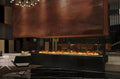
Yes, electric fireplace flames can be genuinely realistic — but the answer depends almost entirely on which technology and which tier of product you're specifying. Premium electric fireplaces, particularly those using 3D multi-layer flame projection or Water Vapor Fireplace technology, deliver a flame effect that consistently impresses clients in person. Basic models with flat LED panels do not. The gap between the two is significant enough that specifying the wrong one can damage a designer's credibility on a project.
What Makes an Electric Fireplace Flame Look Real — or Not?
Flame realism in electric fireplaces comes down to three factors: the light source, the depth of the flame bed, and whether the effect has physical dimension or is simply projected onto a flat surface.
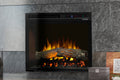
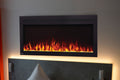
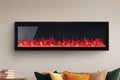
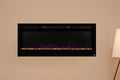
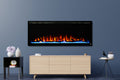
Entry-level electric fireplaces use a single LED strip behind a mirrored reflector. The result is a two-dimensional flicker that reads as decorative lighting, not fire. Clients who have seen a real wood or gas fireplace will notice the difference immediately.
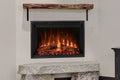
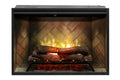
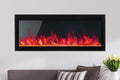
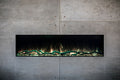
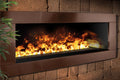
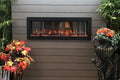
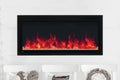
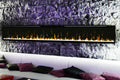
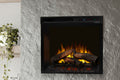
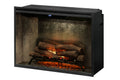
Premium units use layered flame technology — multiple independent light sources set at different depths within the firebox, often combined with a physical ember bed and rotating light diffusers. This creates visual parallax: the flame appears to have depth and movement that shifts when viewed from different angles. The effect holds up in daylight, in a lit room, and at close range — the three conditions that matter most in a finished interior.
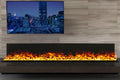
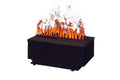
Water vapor fireplaces take this further by generating actual water mist that real light passes through. The result is a three-dimensional flame with visible texture, drift, and ambient glow. When installed correctly, clients genuinely ask whether it is a real fire. That level of visual impact is achievable without combustion, but the technology requires proper enclosure preparation and controlled conditions to perform at its best.
What Do Designers Actually Experience When the Product Arrives?
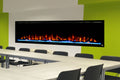
The most common point of friction in designer projects is the gap between showroom photography and real-world installation. Marketing images for electric fireplaces are almost always photographed in a darkened room with the flame effect turned to maximum intensity. That is not how a finished living room, hotel lobby, or commercial space looks.
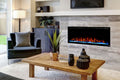
The question worth asking before specifying any unit is: how does this flame look at noon in a room with natural light and overhead recessed lighting? Premium units with deep flame beds and multi-layer technology answer that question well. Flat-panel units do not.
Electric Fireplaces Depot works directly with manufacturers — including exclusive European luxury brands not available through other online sources — and the pattern from thousands of installations is consistent: when a designer specifies a premium unit with genuine flame depth, client satisfaction is high. When a project uses a basic model because it fit the budget or was available quickly, the conversation about expectations happens after installation, not before.
One interior design firm owner shared this after a completed project: "We had a great experience with Electric Fireplaces Depot. Their team prioritized customer service and offered helpful guidance in selecting the right fireplace for our client. The final result turned out beautifully."
That outcome is repeatable — but it starts with specifying the right technology, not just any electric fireplace.
How Do the Main Flame Technologies Compare?
Understanding the technology tiers helps designers spec with confidence rather than relying on product photography alone.
| Technology | Flame Dimension | Daylight Performance | Best Application |
|---|---|---|---|
| Single LED reflection | Flat, 2D | Poor | Decorative accent only |
| Multi-layer 3D projection | Layered depth, 3D | Good | Residential and light commercial |
| Water vapor with real light | Full 3D with mist texture | Excellent | High-end residential, hospitality, luxury commercial |
The key takeaway: if a project requires a fireplace that functions as a true architectural focal point — something a client will stand in front of and evaluate up close — multi-layer 3D or water vapor is the correct specification. Single LED units are not appropriate for client-facing luxury applications.
Water vapor units perform exceptionally well when installed correctly, but they require proper enclosure preparation and airflow control specific to that technology. The product is only part of the outcome — the install environment is the other part, and that guidance matters before the unit ships, not after.
How Can a Designer Evaluate Flame Realism Before Committing?
Specifying a fireplace for a client project without seeing the flame effect in person is a real risk. A few practical approaches reduce that risk significantly.
First, ask the supplier specifically which flame generation technology the unit uses — not just the brand or model name. Multi-layer, 3D, or water vapor are the terms that indicate genuine depth. "Realistic flame" as a marketing phrase alone means nothing without knowing the underlying mechanism.
Second, look for video footage taken in a normally lit room, not a darkened studio. Premium manufacturers and knowledgeable dealers can provide this. If the only available footage is shot in near-darkness, that tells you something about how the unit performs in real conditions.
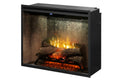
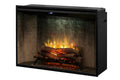
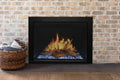
Third, ask about the ember bed. A physical ember bed with real depth — crushed glass, stones, or log sets positioned at varying distances from the light source — contributes significantly to the overall realism. A painted flat surface does not.
Finally, consider the viewing distance and angle typical for the installation. A fireplace in a bedroom alcove viewed from a bed at eight feet behaves differently than one in an open-plan living area viewed from multiple angles across a large room. The right unit for each application is not always the same unit.
Specifying Electric Fireplaces That Clients Will Actually Love
The truth about electric fireplace flame realism is that premium units have closed the gap with gas and wood fireplaces in meaningful ways — but that statement only applies to the right tier of product, specified correctly for the installation environment.
For trade professionals who need to deliver high-end results without the risk of client disappointment, the answer is not to avoid electric fireplaces. The answer is to understand which technologies deliver visual impact and to work with a source that can spec the correct unit for the specific project conditions.
Electric Fireplaces Depot's premium electric fireplaces collection is built around exactly this need — units that hold up to client scrutiny in finished, lit interiors, backed by expert guidance on which product fits which application.
If you have a project in progress — new build or retrofit, residential or commercial — call or text 800-309-2144 or email pro@electricfireplacesdepot.com. Share the project details and the team will recommend the right unit and the right installation approach so the result matches the expectation.
Checklist
- Before specifying any electric fireplace for a client project, confirm which flame generation technology the unit uses — single LED, multi-layer 3D projection, or water vapor.
- Request video of the flame effect filmed in a normally lit room, not a darkened studio, to evaluate real-world daylight performance.
- Review the ember bed design: physical depth with varied materials reads as realistic; a flat painted surface does not.
- For trade professionals specifying luxury residential or hospitality projects, limit consideration to multi-layer 3D or water vapor units where client-facing visual impact is the primary requirement.
- If specifying a water vapor unit, confirm enclosure preparation and installation environment requirements before the unit ships — this prevents the most common post-install issues.
- Contact Electric Fireplaces Depot before finalizing a specification to confirm the unit is appropriate for the exact installation conditions, including room size, viewing distance, and lighting environment.
FAQ
Do electric fireplaces actually look realistic, or is it obvious they're fake? Premium electric fireplaces using multi-layer 3D flame technology or water vapor systems are realistic enough that clients in finished interiors frequently ask whether the fire is real. Basic single-LED models are visibly artificial, especially in daylight or well-lit rooms. The difference between tiers is significant, and the technology used is the deciding factor — not the brand name or price point alone.
What is the most realistic type of electric fireplace available? Water vapor fireplaces currently deliver the most realistic flame effect available without combustion. They generate actual water mist that real light passes through, creating a three-dimensional flame with visible texture, drift, and ambient glow. They require proper enclosure preparation and controlled installation conditions to perform correctly, but when installed as specified, the visual result is the closest available to a real fire.
How do I know if an electric fireplace will look good in a lit room, not just in photos? Ask the supplier for video footage taken in a normally lit room with ambient and overhead lighting active. Most marketing photography is shot in near-darkness to maximize visual impact. If a supplier can only provide darkened-room footage, that is a reliable indicator the unit underperforms in real interior conditions. Premium units with deep multi-layer flame beds hold up in daylight and standard room lighting.
Why do some electric fireplaces look cheap even when they're expensive? The issue is usually the flame generation mechanism, not the price. Some higher-priced units still use outdated single-layer LED reflection technology packaged in a premium enclosure. The enclosure can be beautiful while the flame effect reads as flat and artificial. Always verify the flame technology type specifically — multi-layer 3D or water vapor — regardless of price or enclosure quality.
Can designers spec electric fireplaces for luxury residential projects without worrying about client disappointment? Yes, when the correct technology tier is specified for the application. Trade professionals who work with a knowledgeable source to match the flame technology to the project conditions — room size, lighting environment, viewing distance, and client expectations — consistently achieve results that satisfy even high-expectation luxury clients. The risk comes from specifying without that guidance, not from electric fireplaces as a category.
What questions should I ask before specifying an electric fireplace for a client? The most useful questions are: What flame technology does this unit use? How does it perform in a normally lit room? What is the recommended viewing distance? Is the ember bed physical or painted? For water vapor units specifically: what are the enclosure and installation environment requirements? A supplier who can answer all of these directly is one worth working with.
Is water vapor fireplace technology hard to install? Water vapor fireplaces are not difficult to install when the enclosure is prepared correctly. The most common installation problems — dust exposure, poor enclosure sealing, and cross drafts — are preventable with proper upfront guidance. Electric Fireplaces Depot provides that guidance before the unit ships so builders and contractors avoid the issues that generate post-install service calls.