1-800-309-2144
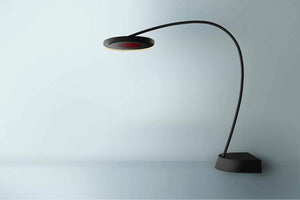
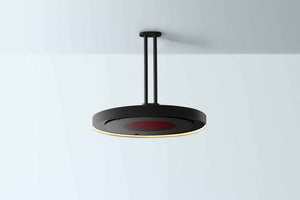

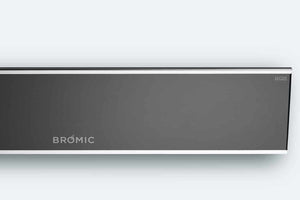
Electric fireplaces can absolutely deliver the luxury visual impact your clients expect without the installation headaches that follow gas or venting-dependent systems. The reason designers increasingly spec electric is straightforward: no gas line, no venting, no combustion—which removes the three most common sources of contractor friction on residential and commercial interior projects. When the right unit is matched to the right enclosure, the result is a clean architectural feature that holds up after the client walkthrough.
That matters most to designers who have been burned before. A fireplace specification that looked stunning on a rendering but triggered field complications—venting conflicts, structural modifications, gas permit delays—leaves a mark on your professional reputation that a beautiful finished photo can't fully erase. Electric units don't eliminate every variable, but they eliminate the biggest ones.
What Makes Electric Fireplaces Different From a Contractor's Perspective?
Electric fireplaces reduce installation complexity in ways that directly translate to fewer callbacks and smoother project timelines. No venting required means no penetrations through walls, ceilings, or rooflines—a single change that eliminates framing conflicts, fire-rated assembly questions, and coordination with HVAC trades. No gas line means no licensed plumber or gas fitter on the schedule, no pressure testing, and no permit pathway that can stall a finish date.
From a contractor's standpoint, most premium electric units are drop-in ready. They arrive with defined rough-in dimensions, a standard electrical connection, and installation guidelines that a finish carpenter or general contractor can execute without specialty subcontractors. That predictability is what shortens install time and reduces post-install service calls—two things that protect your relationship with both the client and the build team.
The critical variable that remains is enclosure preparation. The unit itself is only half the equation. The framing, clearances, and finish materials around it determine whether the installation looks intentional or improvised. Electric Fireplaces Depot provides installation guidance upfront precisely because most field issues come from enclosure prep, not the product itself.
Which Electric Fireplace Types Deliver the Most Realistic Flame Effect?
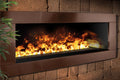
The two categories that carry the most visual weight in luxury interiors are high-end electric flame units and Water Vapor Fireplace units—and they serve different project conditions.
| Type | Flame Realism | Install Complexity | Best Application |
|---|---|---|---|
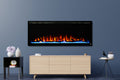
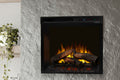
| Premium Electric (LED/3D) | High | Low | Retrofit, multi-family, any wall assembly |
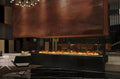
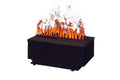
| Water Vapor | Highest available without combustion | Moderate | New construction, controlled enclosures |
The key takeaway: water vapor units produce the most convincing real flame visual available without actual combustion, but they require a properly prepared enclosure with controlled airflow to perform correctly. Premium LED electric units deliver strong visual impact with fewer enclosure requirements and are the right call for retrofit applications or projects where the build team has limited fireplace installation experience.
For designers specifying across multiple units in a development or hospitality project, electric units scale cleanly—identical rough-in dimensions, consistent lead times, and no unit-to-unit variation in the permitting process.
What Installation Problems Do Designers Most Often Create Without Realizing It?
The specification failures Electric Fireplaces Depot sees repeatedly don't come from choosing the wrong product. They come from the gap between what the designer specified and what information reached the contractor.
The most common field issues:
- Enclosure depth and clearance: A unit specified for a shallow wall cavity without confirming actual depth creates a last-minute framing problem that delays the finish schedule.
- Finish material compatibility: Stone, tile, or millwork installed too close to the unit face without following the manufacturer's clearance guidelines creates a punch-list item that is expensive to correct after the fact.
- Electrical rough-in location: A dedicated circuit roughed in at the wrong height or side of the enclosure requires a visible conduit run or a drywall repair that shows in the finished space.
- Airflow for water vapor units: Cross drafts from HVAC registers, open floor plans, or poorly sealed enclosures degrade the mist effect—the most common complaint on water vapor installations and entirely preventable with upfront guidance.
Getting ahead of these issues requires knowing what questions to ask before the project reaches the framing stage. That is where working with a knowledgeable source pays off more than any product feature.
How Do You Spec the Right Electric Fireplace for a Luxury Interior Project?
The specification decision comes down to four project variables: new construction or retrofit, enclosure type, the client's primary goal (visual feature or supplemental heat), and who is making the final installation decision on-site.
For new construction with an architect-designed enclosure, water vapor units are worth serious consideration—the flame realism is unmatched and the installation can be engineered correctly from the start. For retrofit applications, or projects where the contractor is less familiar with fireplace installations, a premium linear electric unit delivers the modern aesthetic clients want with a more forgiving installation window.
Electric Fireplaces Depot works directly with manufacturers as a factory-direct authorized dealer, which means the products available include exclusive European luxury brands not found elsewhere online—options that carry the visual weight a luxury interior demands without the specification risk of a gas or venting system. Trade professionals receive direct warranty support, pro pricing, and access to project-ready units shipped from Electric Fireplaces Depot's own warehouse.
One designer who worked with Electric Fireplaces Depot on a client project said: "Their team prioritized customer service and offered helpful guidance in selecting the right fireplace for our client. The final result turned out beautifully." That outcome—the right product, the right guidance, a result the designer could stand behind—is what a reliable specification source should deliver every time.
For designers managing multiple projects or working with a consistent build team, the trade professionals page and pro consultation resource at Electric Fireplaces Depot is the right starting point for getting units specified correctly before the project reaches the field.
Checklist
- Before specifying any unit, confirm the actual enclosure depth with the contractor—not the plan dimension, the field-verified dimension.
- For water vapor fireplaces, identify the location of HVAC registers relative to the fireplace opening before finalizing the enclosure design.
- Specify the electrical rough-in location and height in your drawings, not just the circuit requirement—this prevents the most common finish-stage conflict.
- When specifying for a luxury interior, request installation guidelines from the supplier before the contractor begins framing.
- If you are an interior designer specifying across multiple units in a multi-family or hospitality project, confirm that rough-in dimensions are consistent across all units before the framing package is issued.
- Send project details or plans to a knowledgeable supplier early—spec'ing the right fireplace for your project is easier to do at the design phase than to correct during installation.
FAQ
Can electric fireplaces really look high-end enough for luxury interior projects? Premium electric fireplaces, particularly modern linear units and water vapor models, are specified for high-end residential, hospitality, and commercial interiors where visual impact is the primary requirement. The flame realism in current-generation units is a significant step beyond what was available even five years ago. The key is selecting a product from a curated line rather than a commodity unit—the visual difference is immediately apparent.
Do electric fireplaces require any special permits or inspections? In most jurisdictions, electric fireplaces require only a standard electrical permit for the dedicated circuit, not the gas permits, venting inspections, or combustion appliance reviews that gas systems require. This is one of the primary reasons electric units are specified for multi-family applications and projects where permitting timelines are a constraint. Always confirm local code requirements with the contractor or AHJ for the specific project.
What's the difference between a water vapor fireplace and a standard electric fireplace? A water vapor fireplace uses ultrasonic technology to produce a fine mist that, when lit from below, creates a three-dimensional flame effect that is widely considered the most realistic available without combustion. A standard premium electric fireplace uses LED and optical technology to simulate flame. Water vapor units require a controlled enclosure environment and proper airflow management; premium electric units are more tolerant of varied installation conditions.
How do I avoid the most common electric fireplace installation mistakes on my projects? The most common issues are enclosure depth conflicts, incorrect electrical rough-in placement, finish material clearance violations, and—for water vapor units—cross drafts from HVAC registers. All of these are preventable when the specification includes clear installation guidelines and the contractor receives them before framing begins. Working with a supplier who provides that guidance upfront, rather than only shipping the product, is the practical difference between a clean install and a callback.
Are electric fireplaces suitable for retrofit projects where there is no existing fireplace? Yes. Electric fireplaces require no venting and no gas line, which means they can be installed in any interior wall location where a dedicated electrical circuit can be run. This makes them the most viable option for retrofit applications in existing buildings where cutting through walls for venting or running gas lines would be structurally disruptive or cost-prohibitive.
What should I ask a supplier before specifying an electric fireplace? The most useful questions are: What are the rough-in dimensions and electrical requirements? What clearances are required from the finish materials? Are installation guidelines available before the contractor begins framing? Is this unit designed for new construction, retrofit, or both? What is the lead time from order to delivery? A supplier who can answer these questions clearly—and proactively flags common installation issues—is the kind of source worth building a long-term specification relationship with.
If you are working on a project right now and need to get the specification right before it reaches the contractor, Electric Fireplaces Depot's team is available to work through the details with you. Call or text 800-309-2144, or reach the trade team directly at pro@electricfireplacesdepot.com.