1-800-309-2144

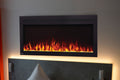
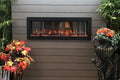
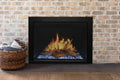
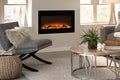
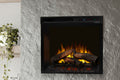
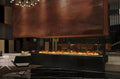
The short answer: no — but the wrong product paired with a poor installation absolutely can be. Electric fireplaces have a reputation problem that stems almost entirely from low-end units installed without thought. Premium electric fireplaces, specified correctly and installed with care, deliver realistic flame effects and architectural impact that hold up against any luxury finish. The difference between tacky and stunning is product quality and execution — both of which are fully within a contractor's or designer's control.
What Actually Makes an Electric Fireplace Look Cheap?
The "tacky" label almost always traces back to three specific failure points, none of which are inherent to the technology itself.
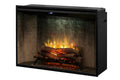
The wrong product tier. A surface-mounted box with a glowing orange coil behind acrylic logs reads as artificial because it is. These units were never designed for architectural applications. Premium electric fireplaces use multi-layer flame projection, LED technology, and realistic ember beds engineered to replicate depth and movement — not a static orange glow. The visual gap between entry-level and premium is significant enough that clients who've seen both rarely confuse them.
A poorly prepared enclosure. Even a high-quality unit installed into an undersized, unfinished, or improperly framed opening will look wrong. The surround, trim integration, and flush mounting are what tie the fireplace to the room. When those details are off, the fireplace looks like an afterthought regardless of what's inside the opening.
Mismatched context. A unit scaled incorrectly for the wall, or specified for a space where the flame effect is viewed at the wrong angle or distance, undermines the visual result. Specification matters as much as product quality.
The product is only 50% of the success — the install environment is the other 50%.
How Do Premium Electric Fireplaces Actually Compare to Gas Visually?
This is the question behind the question most clients are really asking. The honest answer is that premium electric fireplaces have closed the visual gap considerably, and in some respects have surpassed gas.
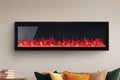
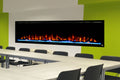
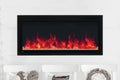
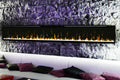
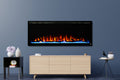
Modern high-end electric units offer flame customization — color, speed, intensity — that gas cannot match. Linear models in particular deliver a clean, contemporary aesthetic that aligns with the architectural direction most luxury residential and commercial projects are moving toward. The modern linear aesthetic is a genuine design asset, not a compromise.
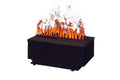
Water Vapor Fireplace technology takes realism further still. These units produce a three-dimensional flame effect using ultrasonic water mist and LED lighting, creating a visual that is genuinely difficult to distinguish from real fire at normal viewing distances. Water vapor fireplaces deliver the most realistic flame effect available without combustion — and that matters when a client's reference point is a luxury hotel lobby or a high-end editorial they saved to their phone.
| Feature | Entry-Level Electric | Premium Electric | Water Vapor |
|---|---|---|---|
| Flame realism | Low | High | Highest |
| Customization | Minimal | Moderate-High | High |
| Installation complexity | Simple | Moderate | Moderate (enclosure prep required) |
| Suited for luxury projects | No | Yes | Yes |
The takeaway: product tier determines visual outcome. Specifying a premium unit eliminates the visual gap clients worry about.
Does Installation Quality Affect Whether an Electric Fireplace Looks High-End?
Significantly. An interior designer who worked with Electric Fireplaces Depot put it plainly: "Their team prioritized customer service and offered helpful guidance in selecting the right fireplace for our client. The final result turned out beautifully."
That result didn't happen by accident. The guidance that went into product selection — matching the unit to the enclosure, the room scale, and the client's visual expectations — is what made the installation credible. The fireplace itself was only part of the story.
For trade professionals, this is where reputation lives. A client who finds a high-end image online and then receives a finished product that doesn't match that reference will question the contractor's judgment, not the product category. Specifying the right fireplace for the project, with the right enclosure preparation and trim execution, is how that conversation never happens.
The most common installation mistakes Electric Fireplaces Depot sees in the field: enclosures that are too shallow, surrounds that aren't flush, and units specified without considering the viewing distance and angle. None of these are complicated to avoid — they just require getting the specification right before the framing goes up.
What Should Contractors and Designers Look for in a Premium Electric Fireplace?
Specifying with confidence means knowing which product attributes signal genuine quality versus marketing language.
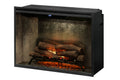
Look for multi-layer flame technology — units where the flame effect has depth and movement, not a flat projection. The ember bed or log set should have dimensional detail visible from normal viewing distances. Glass quality matters: low-quality glass creates reflections and distortion that immediately read as artificial.
Build materials tell the story on longevity. Steel chassis, commercial-grade components, and manufacturer warranties that reflect actual confidence in the product are the markers worth evaluating. European luxury brands, some of which are exclusively available through Electric Fireplaces Depot and not sold elsewhere online, represent the high end of this category — units designed for architectural features in premium residential and hospitality environments.
Installation specs matter too. Depth requirements, clearance tolerances, and electrical load should be confirmed before framing. A unit that doesn't fit the planned enclosure without modification creates exactly the kind of improvised finish that looks wrong. Code-compliant, low-maintenance installation starts with accurate specs from the beginning.
The Verdict on Electric Fireplaces and Visual Credibility
Electric fireplaces are not inherently tacky — that perception belongs to a specific product tier and a specific level of installation care, neither of which applies to premium units specified correctly. Trade professionals who specify premium electric fireplaces for their projects protect their reputation by delivering a finished result clients can't easily dismiss.
The distinction worth communicating to clients who push back: what they've seen that looked cheap was a different product category entirely. A premium linear electric fireplace, properly framed and finished, is a luxury focal point — not a compromise. For contractors and designers who want to specify with confidence, Electric Fireplaces Depot's premium electric fireplaces collection and trade professionals resources are built specifically for this kind of project, where the visual result and the professional's credibility are the same thing.
If you're working on a project and want to make sure you're specifying the right unit for the space, call or text 800-309-2144 or reach the trade team directly at pro@electricfireplacesdepot.com. Getting the spec right before the framing goes up is the move that protects the finished result.
Checklist
- Before specifying any unit, confirm the enclosure depth, width, and clearance requirements match the framing plan — retrofitting after the fact creates the improvised look clients notice.
- For luxury residential or hospitality projects, evaluate multi-layer flame technology and glass quality in person or through video review before finalizing the spec.
- Designers and interior decorators should confirm viewing distance and angle when selecting a unit — flame effect performance varies significantly based on how the fireplace is positioned relative to where people actually sit.
- Contractors specifying electric fireplaces for multi-unit or new construction projects should request trade pricing and confirm lead times before the project schedule is locked.
- If a client references a luxury image as their benchmark, identify whether that image shows a water vapor unit — and specify accordingly rather than substituting a lower-realism alternative.
- Review installation guidelines with the supplier before framing, not after delivery — most field issues come from enclosure prep decisions made too early.
FAQ
Are electric fireplaces considered tacky by interior designers? Premium electric fireplaces are not considered tacky by designers who work with them regularly — the stigma applies to entry-level units that were never designed for architectural applications. High-end linear electric fireplaces and water vapor units are actively specified by designers for luxury residential and hospitality projects because of their clean installation profile and realistic flame effects.
What is the difference between a cheap electric fireplace and a premium one? Entry-level electric fireplaces use basic LED or coil technology behind acrylic media, producing a flat, obviously artificial flame. Premium units use multi-layer flame projection, dimensional ember beds, and high-quality glass to create depth and movement that reads as realistic at normal viewing distances. Build quality, chassis materials, and manufacturer warranty terms reflect the actual gap between tiers.
Can an electric fireplace look realistic enough for a high-end home? Yes, particularly when a premium or water vapor unit is specified. Water vapor fireplaces produce a three-dimensional flame using ultrasonic mist and LED lighting that is genuinely difficult to distinguish from real fire at typical viewing distances. Premium electric units without water vapor have also closed the visual gap significantly through multi-layer flame technology and customizable flame settings.
Does the installation affect how realistic an electric fireplace looks? Significantly. Even a premium unit will look wrong if the enclosure is too shallow, the surround isn't flush, or the unit is scaled incorrectly for the space. The installation environment accounts for roughly half of the final visual result — the product quality handles the other half. Getting the spec right before framing is the most reliable way to protect the finished appearance.
Are electric fireplaces a good choice for renovation projects where there's no gas line? Electric fireplaces are well-suited for retrofit and renovation projects precisely because no gas line or venting is required. They install into most wall assemblies without structural modification, reducing both installation complexity and project timeline. For projects where adding gas infrastructure is impractical or cost-prohibitive, premium electric units deliver a high-end visual result without those constraints.
Why do some electric fireplaces look fake compared to others? The visual difference comes down to flame technology, media quality, and glass. Units with single-layer projection, low-resolution media, and standard glass read as artificial because the flame lacks depth and movement. Premium units engineer multiple visual layers — background flame, foreground ember effect, and mid-layer movement — to create the dimensional quality that makes fire look convincing.
How do contractors protect their reputation when specifying electric fireplaces? The risk to a contractor's reputation comes from specifying the wrong product tier or allowing installation shortcuts that affect the finished appearance. Working with a supplier who provides expert pre-specification guidance — confirming enclosure requirements, flame technology, and product fit before framing — eliminates most of the field issues that lead to client dissatisfaction. Specifying from a curated premium product line rather than a general marketplace reduces the chance of a product that underdelivers on visual quality.