1-800-309-2144

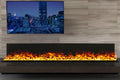
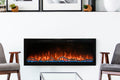
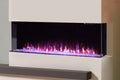
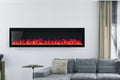
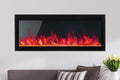
Water vapor fireplaces require a clean, sealed, draft-controlled enclosure to perform correctly — and getting that environment right is just as important as the unit itself. These fireplaces produce a realistic flame effect by converting water into ultra-fine mist and illuminating it with LED lighting, creating the most lifelike visual available without any combustion. The product is only 50% of success — the install environment is the other 50%.
At Electric Fireplaces Depot, we've worked on thousands of installs, and the same mistakes come up repeatedly: dust exposure, poor enclosure sealing, and cross drafts. Understanding how the technology works — and what it demands from the surrounding structure — is the difference between a showpiece installation and a service call.
How Does a Water Vapor Fireplace Actually Work?
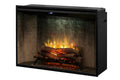
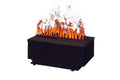
A Water Vapor Fireplace uses ultrasonic transducers submerged in a water reservoir to generate a cold mist. That mist rises through the firebox and is illuminated by color-adjustable LED arrays — typically in amber, orange, and red tones — to simulate the visual behavior of real flames. Because the effect depends entirely on how that mist moves and catches light, the enclosure geometry and air environment directly affect what the flame looks like in operation.
There is no combustion, no gas line, no venting requirement, and no byproduct. The flame visual is produced entirely through light and water vapor. This makes water vapor units ideal for projects requiring simplicity, reliability, and zero venting — but it also means the technology is sensitive to conditions that a gas fireplace would simply overpower. A draft that a gas unit would never notice can visibly distort a water vapor flame effect.
This is why installation requirements for water vapor units are more specific than for standard electric fireplaces. The technology rewards a well-prepared environment and reveals a poorly prepared one.
What Enclosure Preparation Does a Water Vapor Fireplace Require?
Water vapor fireplaces require a clean, structurally complete, and properly sealed enclosure before the unit is set. The enclosure work is not optional — it is the foundation the performance depends on.
Dust and Debris Control
The ultrasonic transducers and water reservoir are precision components. Construction dust, drywall particulate, and debris that settle into the firebox cavity during the build phase can clog the transducer mechanism, degrade mist output, and shorten the service life of the unit. The unit should never be set into an enclosure that has not been fully finished, painted, and cleaned. This means all drywall work, tile, and finish surfaces inside the enclosure must be complete and dry before the fireplace is installed.
If the unit is installed early for scheduling convenience, it must be completely sealed with protective covering — not just draped — until all trades have cleared the space.
Enclosure Sealing
The interior of the firebox enclosure should be sealed to prevent air infiltration from wall cavities, adjacent framing bays, or mechanical chases. Unsealed gaps allow uncontrolled air movement into the firebox, which disrupts the mist column and degrades the flame visual. Foam backer or caulk should be applied around any penetrations, and the back wall of the enclosure should be solid — not open to a cavity behind it.
A common issue we see in the field: the enclosure looks finished from the front but has open framing behind the firebox that pulls air through the unit during HVAC operation. That cross draft creates a visible distortion in the flame effect that no setting adjustment will fix.
Airflow Control
Water vapor fireplaces require a controlled airflow environment. This is the most frequently overlooked requirement in residential and commercial installs alike. HVAC supply registers, ceiling fans, operable windows, and high-traffic corridors can all introduce enough air movement to visibly affect the flame.
The unit should not be positioned directly in the path of an HVAC supply register. If the project layout makes this unavoidable, the register should be redirected or baffled before the unit is commissioned. This is not a product limitation — it is a physics reality. The mist column that creates the flame visual is low-mass and responds to air movement the way a real flame would.
| Enclosure Condition | Effect on Performance |
|---|---|
| Dust/debris in firebox | Clogs transducers, reduces mist output |
| Unsealed gaps behind unit | Cross draft distorts flame visual |
| HVAC register aimed at firebox | Flame appears blown or uneven |
| Unfinished surfaces at install | Particulate damages components |
| Sealed, finished, draft-controlled | Consistent, realistic flame effect |
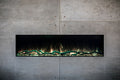
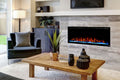
A properly prepared enclosure produces a flame visual that is genuinely difficult to distinguish from real fire at normal viewing distances.
What Are the Most Common Installation Mistakes to Avoid?
We've seen the same installation mistakes repeatedly across projects of every scale, and they are almost always enclosure-related — not product-related.
Installing too early in the construction sequence. Water vapor units should be among the last items set, not the first. Installing before drywall, paint, and finish work is complete exposes precision components to the exact conditions they cannot tolerate.
Leaving the back of the enclosure open. Builders sometimes frame the firebox opening without fully closing the cavity behind it, assuming the unit's back panel will seal it. Most units do not form an airtight seal against the back wall. The enclosure itself must be sealed.
Positioning near high-traffic HVAC paths. In open-plan spaces, the nearest supply register is often directly above or beside the intended fireplace location. This requires coordination between the fireplace specification and the mechanical layout — ideally caught at the design stage, not during commissioning.
Skipping the water quality step. Most manufacturers specify distilled or demineralized water. Using tap water introduces mineral deposits that accumulate on the transducers and degrade output over time. This is a simple operational requirement that is frequently missed.
These are preventable issues. We provide guidance upfront so that builders and designers don't encounter them after the client has moved in.
Is a Water Vapor Fireplace the Right Choice for Your Project?
Water vapor fireplaces deliver the most realistic flame effect available without combustion — and when installed correctly, they perform exceptionally well. For designers and builders specifying a luxury focal point in a controlled interior environment, they are a strong choice. For projects where the enclosure conditions above cannot be reliably met — high-dust environments, open-plan spaces with aggressive HVAC, or installations that need to be roughed in early — a standard electric fireplace may be the more reliable specification.
The honest answer is that water vapor units reward the projects that treat installation seriously. Designers who work with Electric Fireplaces Depot on these specifications get step-by-step guidance through the enclosure prep process before the unit ships — not a manual handed over after the fact. One designer we worked with described it plainly: "Their team prioritized customer service and offered helpful guidance in selecting the right fireplace for our client. The final result turned out beautifully."
That outcome is repeatable when the enclosure work is done correctly. The water vapor fireplace product category and installation guidance available through Electric Fireplaces Depot is the right starting point for any project where this technology is under consideration.
Checklist
- Confirm all drywall, tile, and finish surfaces inside the enclosure are complete, dry, and cleaned before setting the unit.
- Seal all gaps, penetrations, and open cavities behind and around the firebox with foam or caulk before installation.
- Audit HVAC supply register locations relative to the firebox opening — redirect or baffle any register aimed directly at the unit.
- Use distilled or demineralized water in the reservoir, as specified by the manufacturer, to protect transducer longevity.
- For trade professionals specifying water vapor fireplaces in new construction or retrofit projects, confirm the construction sequence so the unit is set after all trades have cleared the space.
- If the unit must be installed early, seal and protect it completely — not just draped — until the space is finished.
FAQ
How does a water vapor fireplace create a flame effect? A water vapor fireplace uses ultrasonic transducers to convert water into a fine cold mist, which rises through the firebox and is illuminated by color-adjustable LED arrays. The combination of mist movement and light produces a flame visual that closely resembles real fire. Because there is no combustion, there is no heat byproduct, no gas line requirement, and no venting needed.
What kind of enclosure does a water vapor fireplace need? The enclosure must be fully finished, clean, and sealed before the unit is installed. All construction dust and debris must be cleared, all surfaces behind and around the firebox must be sealed against air infiltration, and the unit must not be positioned in the direct path of an HVAC supply register. An unsealed or dusty enclosure will degrade both the visual performance and the longevity of the unit.
Why does airflow affect water vapor fireplace performance? The flame effect is produced by a low-mass mist column that responds to air movement the same way a real flame does. A cross draft from an HVAC register, ceiling fan, or open cavity behind the enclosure will visibly distort the flame appearance. This is not a product defect — it is a physics characteristic of the technology that proper enclosure preparation addresses.
Can a water vapor fireplace be installed during active construction? It should not be. Water vapor fireplaces should be set after all trades have cleared the space and all finish work is complete. Construction dust and particulate can clog the ultrasonic transducers and permanently degrade mist output. If scheduling requires early installation, the unit must be fully sealed with protective covering — not just draped — until the space is finished.
What water should be used in a water vapor fireplace? Most manufacturers specify distilled or demineralized water. Tap water contains minerals that accumulate on the transducers over time, reducing mist output and requiring more frequent maintenance. Using the correct water type is a simple step that significantly extends the service life of the unit.
How is a water vapor fireplace different from a standard electric fireplace? A standard electric fireplace uses an LED or projection system to simulate flames, with no water or mist involved. A water vapor fireplace produces a three-dimensional, volumetric flame effect using real mist and light, which reads as significantly more realistic at close viewing distances. The tradeoff is that water vapor units require more precise enclosure preparation and ongoing water maintenance that standard electric units do not.
Who should I contact before specifying a water vapor fireplace for a project? Before specifying a water vapor unit, it is worth reviewing the enclosure conditions — construction sequence, HVAC layout, and finish timeline — with a knowledgeable source. Electric Fireplaces Depot works directly with trade professionals to spec these units correctly for the specific project environment, preventing the common installation issues before they occur.
If you are specifying a water vapor fireplace for a current project and want to make sure the enclosure conditions are right before the unit ships, reach out to Electric Fireplaces Depot directly. Call or text 800-309-2144, or email the trade team at pro@electricfireplacesdepot.com — share your project details and we will spec this correctly so you don't run into problems after install.