1-800-309-2144

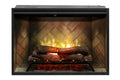
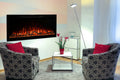
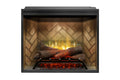
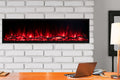
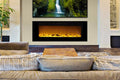
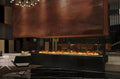
Recessed electric fireplaces require no venting whatsoever. There is no combustion, no exhaust, and no gas line needed -- which makes them the go-to solution for media wall builds where cutting through finished walls for ductwork or flue runs is simply not on the table. What they do require is a properly prepared enclosure and controlled airflow conditions, and those two factors are what separate a clean, long-performing installation from one that generates callbacks.
Why Do Electric Fireplaces Need No Venting?
Electric fireplaces produce heat and flame visuals through electrical components, not combustion. Because nothing is burning, there are no combustion gases, no carbon monoxide risk, and no byproducts that need to be exhausted to the outside. That is the fundamental difference between an electric unit and a gas insert, and it is why no venting is required -- not as a workaround, but as a straightforward result of how the technology works.
This also means no gas line, no flue, no chase, and no structural penetrations through the wall assembly. For a retrofit media wall in a finished room, that distinction eliminates the most expensive and disruptive parts of a traditional fireplace installation. There are no change orders to add venting, no coordination with mechanical trades, and no waiting on inspections tied to gas or combustion systems.
Electric units are ideal for projects requiring simplicity, reliability, and zero venting -- and they integrate cleanly into most wall assemblies with minimal long-term maintenance requirements.
What Does Actually Matter for a Recessed Media Wall Install?
No venting does not mean no preparation. The enclosure environment is where most installation problems originate, and understanding this upfront prevents the issues that show up weeks or months after the job is complete.
Enclosure Sealing and Construction Phase Timing
The single most common mistake seen in media wall installations is inserting the fireplace unit into an enclosure that has not been properly sealed and cleaned. During active construction or renovation, drywall dust, wood particles, and debris accumulate inside wall cavities. Electric fireplaces -- particularly water vapor models -- draw air through the unit to generate the flame effect. If that intake pulls in fine dust or debris, it affects performance and can shorten component life.
The installation environment is 50% of success. The product itself is only the other half. Units should be installed after the construction dust phase is complete, or the enclosure should be thoroughly sealed and cleaned before the fireplace goes in.
Airflow Control Inside the Enclosure
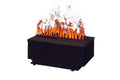
Recessed electric fireplaces need a controlled airflow environment, not a sealed airtight box. The enclosure must allow the unit to breathe without creating cross drafts that disrupt the flame effect. HVAC vents, ceiling fans, and open windows positioned directly in line with the fireplace opening can visibly distort the flame -- this is especially true for water vapor units, which deliver the most realistic flame effect available without combustion but are sensitive to uncontrolled air movement.
The fix is straightforward: during the design phase, confirm that no supply or return vents are positioned to push air directly across the fireplace opening. If the media wall is near an exterior wall with significant air infiltration, address that before finalizing the enclosure.
Enclosure Depth and Clearance Requirements
Each recessed unit has manufacturer-specified minimum enclosure depths and side clearances. These are not suggestions -- they govern heat dissipation and long-term component performance. Installing a unit in an enclosure that is too shallow, or with insufficient clearance on the sides, restricts airflow around the unit and can cause thermal issues over time.
Before framing the media wall, confirm the rough-in dimensions against the spec sheet for the specific unit being installed. This step takes minutes at the design stage and prevents a costly reframe later.
Are Recessed Electric Fireplaces Code-Compliant for Residential Retrofits?
Yes, in the overwhelming majority of residential applications. Because electric fireplaces do not involve combustion, open flame, or gas, they are not subject to the same code requirements that govern gas inserts or wood-burning fireplaces. They are treated as electrical appliances and must meet standard electrical code requirements -- typically a dedicated circuit at the appropriate amperage for the unit specified.
For multi-family buildings, electric units are safe for multi-family applications precisely because there is no combustion risk and no shared venting infrastructure to manage. This makes them a practical choice for apartment renovations, condo retrofits, and multi-unit residential builds where gas is either unavailable or restricted.
Always verify local electrical code requirements for the circuit and outlet configuration, and confirm the unit's UL or ETL listing, which all reputable electric fireplace products carry. That listing is what satisfies the AHJ in most jurisdictions.
What Should You Confirm Before Specifying a Recessed Electric Fireplace?
Before finalizing the unit selection for a media wall project, work through these questions:
- New build or retrofit? Retrofit projects have existing wall depths and framing constraints that must be matched to the unit's rough-in requirements before ordering.
- Is the enclosure being built from scratch, or is there an existing cavity? Existing cavities may have insulation, wiring, or framing that needs to be addressed before the unit fits correctly.
- What is the intended use -- visual feature or supplemental heat? This determines whether a standard electric unit or a water vapor model is the better specification.
- Where are the HVAC supply and return vents relative to the fireplace opening? Cross draft is the leading performance issue for water vapor units and should be resolved at the design stage, not after installation.
- What is the available circuit capacity at the install location? Most recessed electric fireplaces require a dedicated 120V or 240V circuit depending on the unit's wattage.
Getting these answers before the enclosure is framed is what shortens install time, reduces post-install service calls, and protects the project timeline.
The Bottom Line on Venting for Recessed Electric Fireplaces
Recessed electric fireplaces need no venting, no gas line, and no structural penetrations -- full stop. That is not a workaround or a code gray area; it is how the technology works. What matters for a successful media wall installation is enclosure preparation, airflow control, correct clearances, and proper electrical supply. Address those four things and the installation is straightforward, clean, and built to perform long after the project closes.
For trade professionals specifying these units across multiple projects, Electric Fireplaces Depot's electric fireplace product catalog and trade professional solutions are built specifically to support this process -- with manufacturer specs, pro pricing, and the kind of pre-install guidance that prevents the field issues that eat into margins.
Checklist
- Confirm the unit's rough-in depth and side clearance requirements against the actual enclosure dimensions before framing the media wall.
- Verify that no HVAC supply or return vents are positioned to push air directly across the fireplace opening -- resolve this at the design stage.
- Ensure the enclosure is sealed, cleaned, and free of construction dust before the fireplace unit is installed.
- Confirm a dedicated electrical circuit is available at the correct amperage for the specified unit -- check the spec sheet, not a general estimate.
- For retrofit remodelers working in finished rooms, verify existing wall depth and framing can accommodate the unit's required enclosure without a reframe.
- Request the manufacturer spec sheet before finalizing any media wall framing dimensions -- dimensions vary by model and brand.
FAQ
Do recessed electric fireplaces need to be vented to the outside? No. Recessed electric fireplaces produce no combustion, no exhaust gases, and no byproducts that require venting. They operate entirely on electricity, which means no flue, no chase, and no structural penetrations through the wall are needed. This is one of the primary reasons they are specified for media wall retrofits in finished rooms.
Can you install a recessed electric fireplace in a media wall without a gas line? Yes, no gas line is needed. Electric fireplaces run on a standard or dedicated electrical circuit depending on the unit's wattage. This eliminates the need to coordinate with gas trades, add a gas supply line, or schedule gas inspections -- which significantly reduces install complexity and project timeline.
What kind of enclosure does a recessed electric fireplace need? The enclosure must meet the manufacturer's minimum depth and side clearance specifications to allow proper airflow around the unit. It should not be airtight, but it should be sealed against construction dust and debris, especially during active renovation phases. Enclosure preparation is one of the most overlooked factors in electric fireplace performance.
Will an electric fireplace in a media wall cause any airflow or ventilation problems in the room? No. Because there is no combustion, electric fireplaces do not consume oxygen or produce gases that affect room air quality. The concern to manage is the opposite: uncontrolled airflow from HVAC vents or drafts directed at the fireplace opening can disrupt the flame effect, particularly on water vapor models. Position supply vents away from the fireplace face during the design phase.
Are recessed electric fireplaces code-compliant for residential retrofits? In most residential jurisdictions, yes. Electric fireplaces are classified as electrical appliances, not combustion appliances, so they are not subject to gas or venting codes. They must meet standard electrical code requirements and carry a UL or ETL listing. Always confirm local requirements with the AHJ, but in practice these units are approved without issue in the vast majority of residential retrofit projects.
Can recessed electric fireplaces be used in multi-family or condo buildings? Yes. The absence of combustion, open flame, and shared venting infrastructure makes electric fireplaces safe for multi-family applications. They are a practical choice for apartment and condo renovations where gas is restricted or unavailable, and they do not require the building-wide coordination that gas systems demand.
What causes the most problems in recessed electric fireplace installations? The most common issues stem from the installation environment, not the unit itself. Dust and debris inside the enclosure at install time, cross drafts from HVAC vents positioned near the fireplace opening, and enclosures that are too shallow for the specified unit are the recurring problems seen in the field. Addressing enclosure preparation, airflow, and clearance dimensions before installation prevents the majority of post-install service calls.
If you are working through a media wall project right now and want to confirm the right unit for your enclosure dimensions and electrical setup, the team at Electric Fireplaces Depot is available to spec it with you before you frame. Reach out at 800-309-2144 Ext 2 or pro@electricfireplacesdepot.com.