1-800-309-2144
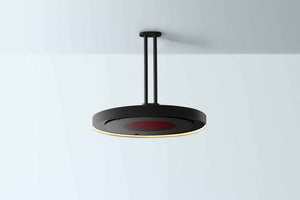

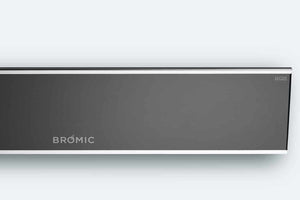
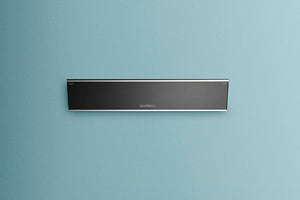
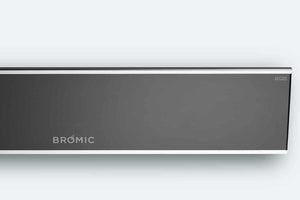
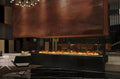
Installing a wall-mounted electric fireplace requires three things confirmed before you quote: adequate wall framing or blocking to support the unit's weight, a dedicated electrical circuit at the correct amperage, and manufacturer-specified clearances from combustibles and adjacent surfaces. Miss any one of these in a retrofit and you're looking at a change order - or worse, a callback after the client moves in.
This pre-quote checklist covers the three specification areas that consistently cause problems on retrofit jobs, so you can scope accurately and present the work with confidence.
What Framing Do I Need for a Wall-Mounted Electric Fireplace?
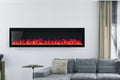
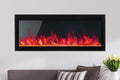
Wall-mounted electric fireplaces are permanently fixed to the wall, and the mounting surface has to be capable of handling that load. Most units are heavier than they look - linear models with glass fronts can run 40 to 80 pounds or more - and a single drywall anchor is not an acceptable solution on a finished wall.
What to check before you quote:
-
Stud location and spacing. Standard 16-inch on-center framing works for most units, but confirm the mounting bracket width against actual stud spacing at the install location. If studs don't line up, you're adding blocking - price that in.
-
Wall depth and backing. Surface-mount units attach directly to the finished wall face. Recessed or semi-recessed models require you to open the wall and frame a cavity to the manufacturer's specified depth. On a retrofit job, that means identifying what's behind the drywall: insulation, plumbing, electrical runs, or fire blocking.
-
Mounting height. Fireplace should be permanently fixed to the wall at a minimum height of 12'' - 30'' from the bottom of the unit to the floor recommended for optimum viewing. Factor that into your layout conversation with the homeowner before the wall is opened.
-
Masonry or tile walls. If the install location is a stone feature wall or tiled surface, confirm anchor type and load rating. This adds labor and specialty hardware that a standard quote won't capture.
The framing piece is where retrofit jobs most often get underquoted. A new-construction install on open framing is straightforward. A retrofit into a finished room is a different scope entirely - and the wall condition only becomes fully visible once you open it.
What Electrical Circuit Does a Wall-Mounted Electric Fireplace Require?
Most wall-mounted electric fireplaces require a dedicated 120V, 20-amp circuit. Some dual-element models specify a 240V circuit. This is not a plug-into-any-outlet situation, and it's one of the most common places contractors get caught when quoting retrofit work without pulling the manufacturer spec sheet first.
Key electrical considerations:
-
Dedicated circuit requirement. Most units require a dedicated electrical circuit - meaning no other devices share that breaker. If the nearest outlet is on a shared circuit, the job includes panel work and a new circuit run. That's an electrician cost that has to be in the quote.
-
Outlet placement. The receptacle location matters. Most manufacturers specify the outlet be inside the framed cavity or recessed behind the unit so the power cord is concealed. A surface-mounted outlet visible below the fireplace reads as unfinished to a client. Confirm outlet placement against the unit's cord length and routing path.
-
Hardwired vs. plug-in. Some commercial-grade or built-in models are hardwired. Verify this before quoting - hardwired units require a licensed electrician in most jurisdictions and change the labor scope.
-
No gas line needed. Electric fireplaces require no venting or gas lines, which eliminates the rough-in complexity of a gas fireplace retrofit. The electrical circuit is the only utility requirement.
If you want the full specification before committing to a price, you can get electric fireplace product specs, cut sheets, and installation documentation before buying - a step that pays for itself on retrofit jobs where the electrical scope is unclear.
What Clearances Do I Need to Confirm Before the Install?
Clearance requirements vary by manufacturer and model - this is not a "one number fits all" specification. Installing without confirming these in advance is how contractors end up with a unit that can't be used at full heat output because it's too close to a combustible material, or one that voids the warranty because the enclosure was built too tight.
The clearances to confirm from the manufacturer spec sheet:
| Clearance Type | What It Affects | Why It Matters |
|---|---|---|
| Side clearance to combustibles | Framing, trim, cabinetry | Fire safety and warranty compliance |
| Top clearance | Mantels, shelving, TV mounts | Heat dissipation from the top exhaust |
| Bottom clearance to floor | Mounting height, furniture placement | Viewing angle and safety |
| Minimum enclosure depth (recessed) | Framing cavity dimensions | Unit fit and ventilation |
Top clearance is the one most commonly overlooked on retrofit jobs. Many homeowners want a TV or floating shelves directly above the fireplace. Most manufacturers specify a minimum clearance above the unit - often 8 to 12 inches or more depending on heat output. If the TV mount or shelf bracket is already installed, that clearance conversation has to happen before the fireplace goes up, not after.
For recessed installations, the enclosure depth must match the unit's specified recess depth. Building the cavity even slightly too shallow forces a surface-mount install that the client didn't expect and the quote didn't account for.
How Do Wall-Mounted Electric Fireplaces Compare to Other Install Types in a Retrofit?
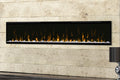
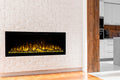
Wall-mounted surface-mount units are the simplest retrofit option because they require no wall opening. The tradeoff is a unit that projects off the wall face, which some clients find acceptable and others don't.
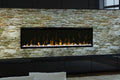
Recessed and semi-recessed wall-mounted units deliver the flush, built-in look most clients want, but they require opening the wall, framing a cavity, and managing whatever is behind the drywall. On a retrofit job in an existing home, that's the higher-complexity scope.
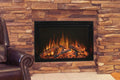
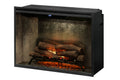
Electric fireplace inserts - designed to sit inside an existing masonry or zero-clearance fireplace opening - are a different category with different measurement requirements. If the project involves an existing firebox, how to measure a fireplace opening for an electric insert covers that process separately.
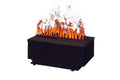
Water vapor fireplace units, which deliver the most realistic flame effect available without combustion, are also wall-mountable but carry additional installation considerations around enclosure preparation. Those are worth a separate conversation if the project spec calls for that level of realism.
The right installation type depends on the wall condition, the client's aesthetic expectation, and what the quote can realistically support. Matching the product to the installation environment - not just to the client's wish list - is what keeps retrofit jobs from becoming callbacks.
How Do I Get the Spec Right Before I Quote?
Retrofit jobs punish vague quotes. The three areas that most consistently produce change orders on wall-mounted electric fireplace installs are framing condition, electrical circuit availability, and clearance compliance - and all three are knowable before you commit to a price, provided you pull the manufacturer spec sheet for the specific unit being installed.
Installation requirements vary by manufacturer and model, so the spec sheet for the unit you're quoting is the only reliable source. A general rule of thumb for a different brand's product is not a substitute.
If you're working through a project and want to confirm the right unit before you finalize the scope, the wall-mounted electric fireplace product category at Electric Fireplaces Depot includes units with full specification documentation available before purchase - so you're quoting against real numbers, not estimates.
Checklist
-
Pull the manufacturer spec sheet for the specific unit before writing the quote - confirm circuit requirement, clearance specs, and enclosure depth.
-
Verify stud location and spacing at the intended mounting location; add blocking to the scope if studs don't align with the mounting bracket.
-
Confirm whether the nearest circuit is dedicated or shared - if shared, include a new circuit run and panel work in the electrical scope.
-
Check top clearance against any planned TV mount or shelving; address this with the homeowner before the unit is ordered.
-
For recessed installs, identify what's behind the wall (insulation, plumbing, electrical runs) before quoting the framing scope.
-
Trade professionals quoting multi-room or multi-unit projects should confirm all clearance and circuit specs per location - wall conditions vary room to room.
FAQ
Which wall-mounted electric fireplace installation type is simplest for a retrofit job?
Surface-mount wall-mounted units are the simplest retrofit option because they require no wall opening - the unit mounts directly to the finished wall face. The tradeoff is projection off the wall surface. Recessed units deliver a flush look but require opening the wall and framing a cavity, which adds scope and cost on a retrofit job.
Who is responsible for confirming electrical requirements - the contractor or the supplier?
The contractor is responsible for verifying the electrical scope against the manufacturer's specification for the specific unit being installed. Most wall-mounted electric fireplaces require a dedicated 120V, 20-amp circuit, but some larger models specify 240V. Pulling the spec sheet before quoting - rather than assuming - is what keeps the electrical scope accurate and prevents mid-job surprises.
What clearance above a wall-mounted electric fireplace do I need for a TV or shelf?
Top clearance requirements vary by manufacturer and model, but many units specify a minimum of 8 to 12 inches or more above the unit to allow for heat dissipation and maintain warranty compliance. The exact number must come from the manufacturer spec sheet for the unit being installed. This conversation needs to happen with the homeowner before the fireplace is ordered, not after it's on the wall.
How do installation requirements for wall-mounted electric fireplaces differ from gas fireplace retrofits in 2026?
Electric fireplaces require no venting or gas lines, which eliminates the rough-in complexity that defines a gas fireplace retrofit. The primary utility requirement is a dedicated electrical circuit. This reduces install complexity significantly - no penetrations for venting, no gas line coordination, no combustion airflow requirements. The framing and clearance work is the comparable scope, and it's generally less invasive than a gas retrofit in an existing home.
Which brands provide the most complete installation documentation for wall-mounted units?
Premium electric fireplace brands supplied through factory-direct authorized dealers typically provide full cut sheets, installation manuals, and clearance specifications before purchase. The quality of documentation is itself a signal of how seriously a manufacturer treats the install process. Working through a supplier who can provide that documentation upfront - rather than after the order is placed - is what allows contractors to quote accurately on electric fireplace product specs, cut sheets, and installation documentation before committing to a price.
If you're quoting a retrofit job and want to confirm the right unit and installation approach before you finalize the scope, reach out to the team at Electric Fireplaces Depot. Call or text 800-309-2144, or email pro@electricfireplacesdepot.com - we'll spec it with you so you don't run into the common issues we see in the field.
Add Electric Fireplaces Depot as a preferred source on Google