1-800-309-2144
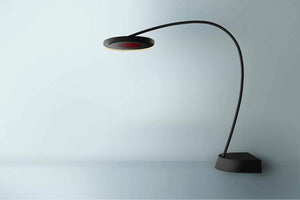
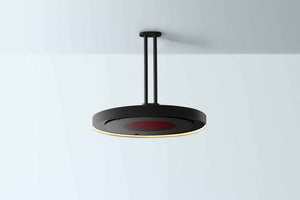

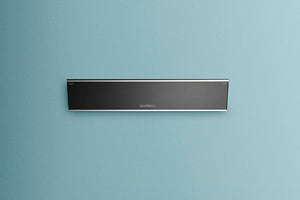
Getting an electric fireplace project approved by management, a developer, or a client who controls the budget comes down to one thing: giving decision-makers the documentation and reasoning they need to say yes without hesitation. Specifications alone rarely close the loop - the approval process requires you to speak to cost, code compliance, and risk in terms that resonate with people who aren't reading installation manuals. This article walks through how trade professionals build that case, from the initial spec through final sign-off.
Why Does Management Push Back on Electric Fireplace Specs?
Decision-makers above the spec level - developers, ownership groups, HOA boards, project owners - push back on electric fireplaces for three predictable reasons: unfamiliarity with the technology, concern about code compliance, and uncertainty about long-term operating cost.
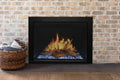
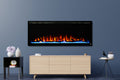
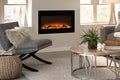
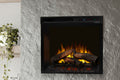
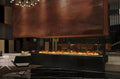
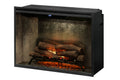
Unfamiliarity is the most common blocker. Many owners and developers still associate "electric fireplace" with a low-end plug-in box from a big-box store. When a designer or contractor specifies a premium linear unit for a luxury lobby or multi-family development, that mental image creates friction before the conversation even starts. The fix is visual evidence - flame technology has advanced dramatically over the past decade, and what qualifies as a mid-level product today would have been considered premium eight or ten years ago. Showing current product renders, flame videos, and installed project photography reframes the conversation immediately.
Code compliance questions are the second blocker. Per American Legal Publishing (2015), a permit is required for the construction, installation, or alteration of electric appliances and equipment, which means management is right to ask the question - and you need a clear answer ready. Electric fireplaces must be electrically grounded in accordance with local codes or, where no local code exists, the current ANSI/NFPA 70 National Electrical Code in the United States. Having that documentation in hand before the approval meeting removes a major objection before it becomes a stall.
Operating cost uncertainty is the third. Electric units carry a predictable operating cost tied directly to local electricity rates - no gas line, no venting, no combustion byproducts. That predictability is an asset in a management conversation, not a liability.
What Documentation Do Decision-Makers Actually Need to Approve a Spec?
The approval package that moves fastest through management review contains four elements: product specs and cut sheets, code compliance documentation, visual proof of flame quality, and a clear installation narrative.
Product specs and cut sheets confirm the unit fits the planned opening, meets electrical requirements, and carries the certifications the project requires. Getting this documentation before purchasing - rather than after - is standard practice for trade professionals who need to move projects through approval without delays. If you can get fireplace specs and cut sheets before buying, the spec approval conversation becomes straightforward: the numbers are already on paper.
Code compliance documentation addresses the permit and grounding questions that ownership groups and developers will raise. Where electrical code requires it, the outlet used for an electric fireplace should be protected by a ground-fault circuit interrupter. Presenting this proactively - rather than waiting to be asked - signals that the spec was done rigorously.
Visual proof is often underestimated. A flame video or high-resolution installed photography does more work in a ten-minute presentation than three pages of spec language. Decision-makers are approving a visual feature, not a wiring diagram.
The installation narrative answers the question management is really asking: "Will this create problems for us later?" The answer for a properly specified electric unit is straightforward - no venting required, no gas line needed, safe for multi-family applications, low-maintenance installation, and a clean installation environment that reduces post-install service calls.
How Do You Frame the Business Case for the Decision-Maker's Level?
The specification you build for yourself and the case you present to management serve different purposes. Your spec confirms the product is right. The business case confirms the decision is right.
At the decision-maker level, the argument that lands is not technical - it is about risk reduction and client-facing value.
Risk reduction: Electric fireplaces eliminate the permitting complexity and ongoing liability of gas appliances. No combustion means no carbon monoxide risk, no annual gas line inspection, and no venting penetration that creates future maintenance obligations. For a developer managing a multi-unit project, that simplicity scales - the same unit, the same rough-in, the same electrical circuit across every unit. One trade professional who specified a unit for a renovated property put it plainly: "Fire place was the exact description provided making for an easy rough in and operated in the way provided online. Not having surprises like this allows for an on time delivery while construction ensues."
Client-facing value: A well-specified electric fireplace is an architectural feature - a luxury focal point with a real flame visual without combustion. For projects competing on finish quality, that visual impact is a selling point, not a line item. If the project involves electric fireplaces for multi-unit development, the per-unit cost of the fireplace becomes a fraction of the per-unit value it adds to the marketing story.
Frame the spec as a risk-reduction decision that also delivers a premium amenity. That is the argument that closes approval at the ownership level.
What Are the Most Common Approval Objections and How Do You Answer Them?
| Objection | What It Really Means | The Answer |
|---|---|---|
| "Is this code-compliant?" | Do we have permit exposure? | Yes - electric fireplaces follow ANSI/NFPA 70; permits apply to installation, not the appliance category |
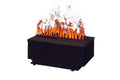
| "Will this look realistic?" | I'm picturing a plug-in box | Show current flame technology; premium units use advanced holographic or Water Vapor Fireplace technology |
| "What does it cost to operate?" | Is this a hidden ongoing expense? | Operating cost is predictable and tied to local electricity rates - no gas, no annual service contracts |
| "What if something breaks?" | Who handles the warranty? | Factory-direct authorized dealers provide direct warranty support; electric fireplace after-sale support is handled through the supplier, not a third party |
| "Have you done this before?" | Can I trust this spec? | Yes - reference comparable installed projects and the supplier's track record across similar builds |
Each objection is really a risk question in disguise. Answer the risk, and the objection resolves.
How Do You Close the Approval Loop Before the Final Meeting?
The professionals who get specs approved fastest don't wait for the approval meeting to surface objections - they surface them first and answer them in writing before anyone sits down.
A pre-meeting summary document that covers the unit specification, the electrical requirements, the code compliance path, the warranty terms, and the visual impact in two pages or less gives decision-makers something to read before the meeting. It also gives them something to share with their own advisors - legal, financial, or otherwise - without requiring you to be in the room.
If the project is still in early stages, knowing what stage of construction you're in and who is making the final specification decision - builder, designer, or client - shapes how you present the case. A developer making a financial decision needs a different framing than a designer making an aesthetic one.
For trade professionals who want to build that documentation package with the right product already identified, Electric Fireplaces Depot's trade resources for contractors and designers provides a starting point - specs, cut sheets, and product documentation ready before the approval conversation begins.
Checklist
- Pull cut sheets and full product specifications before your approval meeting - not after.
- Confirm the electrical requirements (circuit size, grounding, GFCI protection where required) and include them in your documentation package.
- Prepare visual proof: installed photography or flame video, not just spec language.
- Frame the business case around risk reduction (no venting, no gas, no combustion) and client-facing visual impact.
- Identify who is making the final approval decision - builder, designer, or client - and tailor the framing to their level of concern.
- For multi-family or multi-unit projects, calculate the per-unit installation simplicity argument: same rough-in, same circuit, same unit across the development.
FAQ
Who typically has final approval authority on an electric fireplace spec - the designer, the builder, or the developer? It depends on the project structure, but in most commercial and multi-family builds, the developer or ownership group holds final sign-off on specifications that affect construction cost or long-term liability. Designers and contractors typically influence the spec, but the approval gate is at the ownership level. Knowing who holds that gate before you prepare your documentation determines what framing you use.
Which documentation matters most when presenting an electric fireplace spec for management approval? Code compliance documentation and visual proof carry the most weight at the management level. Decision-makers who are not familiar with the technology need to see that the spec is code-compliant and that the flame quality justifies the line item. Product cut sheets and electrical requirements support the technical case, but compliance and visuals close the approval conversation.
How do I answer the question "will this look realistic enough" when presenting to a developer or client? Show current installed examples rather than describing the technology. Premium electric fireplaces today use advanced holographic or water vapor technology that produces a fundamentally different visual than older units. Many online reviews still reference older LED models as though they represent the current state of the category - they do not. If the decision-maker's mental image is outdated, visual evidence is the fastest correction.
What's the right way to handle permit questions during the approval process? Address them directly and early. A permit is required for the installation or alteration of electric appliances in most jurisdictions, and presenting that fact - along with the grounding and circuit requirements - signals that the spec was done rigorously. Decision-makers who raise permit questions are really asking about exposure; answering the question proactively removes it as a stall point.
What if the approval stalls because the decision-maker wants more time to review? Provide a two-page written summary covering the unit spec, electrical requirements, code compliance path, warranty terms, and visual impact. A written document lets the decision-maker share it with their own advisors without requiring you to be present. Pre-empting the review cycle with a clear, concise summary is the most reliable way to shorten the approval timeline.
If you're preparing a spec for an upcoming approval conversation and want to make sure the documentation package is complete, the team at Electric Fireplaces Depot can help you pull together cut sheets, compliance references, and product recommendations before you walk into that meeting. Call or text 800-309-2144, or reach out directly at pro@electricfireplacesdepot.com.
Add Electric Fireplaces Depot as a preferred source on Google