1-800-309-2144

When a client calls with a problem after the fireplace is installed, the question that matters most is whether your supplier picks up the phone. After-sale support for electric fireplaces should include direct access to someone who can troubleshoot the issue, initiate a warranty claim, and guide resolution without leaving you or your client without answers. For trade professionals, that support is a reputation issue as much as a product issue.
What Does Real After-Sale Support Actually Include?
After-sale support is not just a warranty card in the box. For trade professionals specifying electric fireplaces, real support means a knowledgeable contact who understands the product, knows the manufacturer's warranty terms, and can move quickly when something goes wrong post-install.
At minimum, a supplier's post-install support should cover:
- Troubleshooting guidance - Someone who can walk through the issue with you or your installer before assuming the unit is defective
- Warranty claim initiation - A direct path to the manufacturer, not a runaround through multiple departments
- Parts coordination - Access to replacement components when a part, not the full unit, is the problem
- Documentation support - Help pulling the right spec sheets, installation guides, or proof of purchase if a claim requires it
Electric Fireplaces Depot provides after-sale support backed by factory-direct authorized dealer status, which means warranty claims and post-install issues are handled with direct manufacturer access - not a third-party intermediary who has to relay messages back and forth.
One trade professional who specified a unit through Electric Fireplaces Depot described exactly this kind of resolution: "The only thing remote was broken on half. Customer service replacement it with no problem. Absolutely satisfied." That outcome - a fast part replacement without a protracted claims process - is what separates a supplier with a real support process from one that disappears after the transaction.
Why Does After-Sale Support Matter More for Trade Professionals?
A homeowner who buys a fireplace for their own living room can afford to wait a few days for a response. A contractor or designer who has specified that fireplace for a client cannot. The post-install period is when your professional reputation is most exposed.
If a flame effect malfunctions two weeks after a high-end renovation wraps, the client does not call the supplier - they call you. If the remote stops working during a final walkthrough, that is your problem to solve. How quickly you can resolve it depends entirely on whether your supplier has a support process that actually functions.
For trade professionals, after-sale support is a risk management decision as much as a product decision. Specifying from a supplier with a real support process reduces post-install service calls and protects client relationships. That is not a soft benefit - it is a direct cost consideration. Every callback, every return visit, every hour spent chasing a warranty claim is overhead that did not show up in the original quote.
This is also why confirming what post-install support looks like before you specify a product is a standard part of vetting any supplier for trade use - alongside supplier delivery performance and product certifications.
What Questions Should You Ask a Supplier About Post-Install Support?
Not all suppliers describe their support process the same way, and some overstate what they actually provide. Before you specify, ask these directly:
Who handles warranty claims - the supplier or the manufacturer? A factory-direct authorized dealer has a direct relationship with the manufacturer, which means warranty claims move faster and with fewer handoffs. A reseller without that relationship may have to escalate through channels that add days or weeks to resolution.
Is there a dedicated contact for trade accounts? General customer service queues are built for retail volume, not trade problem-solving. A supplier that serves trade professionals should offer a direct line or a designated contact who understands project timelines and the stakes involved.
What is the documented warranty, and what does it cover? Flame components, heating elements, remotes, and control boards may have different coverage terms. Know what is included before a client asks.
How are replacement parts handled? Some issues are part failures, not unit failures. A supplier with direct manufacturer access can often resolve a part issue in days. Without that access, the same issue can stretch into weeks.
What installation support is available if the issue is environment-related? Some post-install problems are not product defects - they stem from enclosure prep, circuit load, or installation conditions. A supplier who can diagnose that distinction saves you a return trip and an unnecessary warranty claim.
How Does Factory-Direct Authorized Dealer Status Change the Support Equation?
The phrase "authorized dealer" carries real operational weight in the post-install context. It means the supplier has a formal relationship with the manufacturer - not just access to their products, but accountability to their standards and access to their support infrastructure.
For warranty claims, that relationship matters. An authorized dealer can initiate a claim, confirm coverage, and coordinate replacement parts through the manufacturer's own process. A non-authorized reseller may not have that access at all, leaving the contractor to deal directly with a manufacturer who has no record of the transaction.
Electric Fireplaces Depot's factory-direct authorized dealer status means that when a post-install issue surfaces, there is a real path to resolution - not a referral to a phone number on the back of a manual.
This also connects to product selection upstream. The electric fireplace lifespan vs gas fireplace question often comes up during spec conversations, and the answer matters for support planning: electric fireplaces have fewer combustion components, which means fewer failure points and simpler post-install maintenance. Fewer moving parts means fewer post-install service calls to begin with.
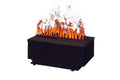
If you are specifying a Water Vapor Fireplace for a high-end project, the post-install support picture is especially important. These units deliver the most realistic flame effect available without combustion, but they require proper enclosure preparation and controlled conditions to perform correctly. When installation environment issues arise - dust exposure, enclosure sealing, cross-draft - having a supplier who can diagnose the root cause and guide correction is the difference between a resolved issue and a replacement unit.
What Does Good Post-Install Support Look Like in Practice?
The clearest signal of a supplier's after-sale support is how they handle the first problem. A supplier with a real process moves through a predictable sequence: confirm the issue, determine whether it is product or environment, initiate the appropriate resolution path, and keep the contractor informed throughout.
What it should not look like: a general inbox that responds in three to five business days, a warranty process that requires the contractor to ship the unit back at their own expense before any replacement is authorized, or a support team that cannot distinguish between a flame effect calibration issue and a failed control board.
The Electric Fireplaces Depot Trade Program resource outlines how after-sale support is structured for trade accounts, including how warranty claims are handled and what direct manufacturer access means for project timelines.
If a post-install issue surfaces on your next project, reach out directly. Call or text 800-309-2144, or email pro@electricfireplacesdepot.com. The team works specifically with trade professionals and understands that a problem after install is a timeline issue, not just a product issue.
Checklist
- Before specifying any electric fireplace, ask the supplier directly whether they are a factory-direct authorized dealer and what that means for warranty claim handling.
- Confirm whether trade accounts have a dedicated post-install contact, separate from general retail customer service.
- Document the warranty terms for each component - flame assembly, heating element, remote, and control board - before the project closes.
- As a contractor or designer specifying electric fireplaces, keep a copy of the installation guide and proof of purchase accessible for the duration of the warranty period.
- When a post-install issue arises, determine first whether it is a product issue or an environment issue (enclosure prep, circuit, airflow) before initiating a warranty claim - the resolution path differs.
- Verify that replacement parts, not just full-unit replacements, are available through your supplier's support process.
FAQ
Who is responsible for after-sale support - the supplier or the manufacturer? It depends on the supplier's relationship with the manufacturer. A factory-direct authorized dealer like Electric Fireplaces Depot handles warranty claims with direct manufacturer access, which means the supplier coordinates the resolution rather than redirecting you to a manufacturer hotline. Non-authorized resellers may not have that access, leaving the contractor to navigate the claim independently.
Which post-install problems are typically covered under warranty? Most electric fireplace warranties cover defects in components such as the flame assembly, heating element, control board, and remote. Physical damage from installation errors, environment-related issues like dust or moisture exposure, and problems caused by incorrect electrical setup are generally not covered. Knowing the distinction before a claim is filed saves time and prevents mismatched expectations with the client.
How quickly should a supplier be able to respond to a post-install issue? A supplier with a real trade support process should be able to respond within one business day and provide a clear resolution path - whether that is a replacement part, a warranty claim, or installation troubleshooting guidance. Delays longer than that suggest the supplier does not have a dedicated trade support channel, which is worth knowing before you specify.
What should a contractor do if the post-install issue turns out to be environment-related, not a product defect? Environment-related issues - poor enclosure prep, circuit overload, cross-draft, or dust exposure - are among the most common post-install problems and are not covered by product warranties. A knowledgeable supplier can help diagnose whether the issue is product or environment, which prevents an unnecessary warranty claim and points to the actual fix. This is one reason working with a supplier who provides installation guidance upfront reduces post-install callbacks significantly.
Who handles replacement parts if only one component fails, not the whole unit? A factory-direct authorized dealer can typically coordinate individual replacement parts through the manufacturer, which is faster and less disruptive than a full unit replacement. Ask your supplier explicitly whether parts-level support is available - not all suppliers have that access, and the answer affects how quickly a minor issue can be closed out.
How does the type of electric fireplace affect post-install support needs? Standard electric fireplaces have fewer components and simpler maintenance requirements, which generally means fewer post-install issues. Water Vapor Fireplace units deliver exceptional realism but require more precise installation conditions - enclosure sealing, controlled environment - and benefit most from a supplier who can provide detailed installation guidance and diagnose environment-related issues if they arise.
Where can trade professionals reach Electric Fireplaces Depot for post-install support? Trade professionals can reach Electric Fireplaces Depot by calling or texting 800-309-2144, or by emailing pro@electricfireplacesdepot.com. The team works specifically with contractors, designers, and builders and understands the timeline pressures that come with post-install issues on client projects.