1-800-309-2144

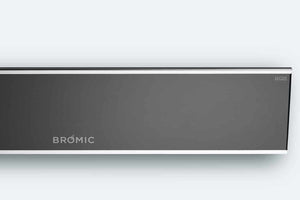
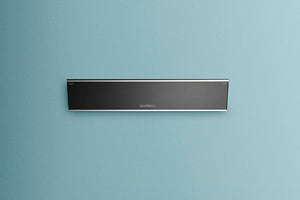
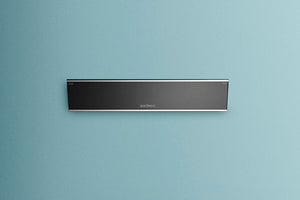
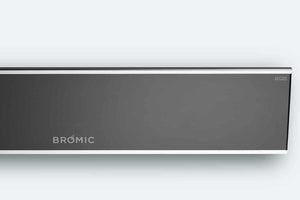
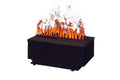
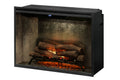
Electric fireplaces are the most reliable, low-maintenance fireplace solution for multi-unit new construction. No venting required, no gas line needed, and no combustion byproducts means installation is consistent across every unit -- and post-install service calls drop dramatically. For developers and builders scaling across dozens of units, that consistency is not a nice-to-have. It is what protects project margins and investor confidence.
The fireplace decision in a multi-unit project is not just an amenity choice. It is a systems decision. Get it wrong once and you have multiplied that mistake across every unit in the building.
Why Does Fireplace Type Matter So Much in Multi-Unit Projects?
In a single-family custom home, a problematic fireplace spec is an inconvenience. In a 40-unit development, it becomes a recurring maintenance line item that erodes profitability and frustrates residents for years.
Gas fireplaces require individual gas line runs, venting penetrations through the building envelope, and ongoing inspection and service requirements. Each of those variables introduces scheduling risk during construction and ongoing liability after handoff. Traditional wood-burning fireplaces are largely incompatible with modern multi-family construction codes and create air quality issues that are difficult to manage in shared-wall environments.
Electric fireplaces eliminate that entire category of risk. Because no venting is required and no gas line is needed, the installation environment stays clean, the construction sequence stays predictable, and every unit finishes with the same result. There are no combustion byproducts to manage and no flue penetrations to coordinate with the building envelope team.
For developers building to a timeline, that predictability has direct dollar value.
What Installation Advantages Do Electric Fireplaces Offer at Scale?
The single biggest advantage of electric fireplaces in multi-unit new construction is that they are drop-in ready solutions that shorten install time and reduce install complexity across every unit simultaneously.
Here is what that looks like in practice across a typical multi-unit project:
| Factor | Gas Fireplace | Electric Fireplace |
|---|---|---|
| Venting required | Yes -- per unit | No |
| Gas line run required | Yes -- per unit | No |
| Combustion inspection | Yes | No |
| Framing complications | Common | Minimal |
| Post-install service calls | Higher frequency | Minimal |
| Consistent unit-to-unit result | Variable | Consistent |
Every line in that table compounds across unit count. On a 30-unit project, the difference between one gas line complication per ten units and zero complications is a meaningful schedule and budget difference.
Electric units integrate cleanly into most wall assemblies. They require controlled airflow within the enclosure -- and that enclosure preparation is something worth getting right upfront -- but there are no penetrations through fire-rated assemblies, no pressure-testing of gas connections, and no coordination with the utility for individual hookups.
One construction professional who works with Electric Fireplaces Depot noted that order and delivery coordination was straightforward -- which matters when you are sequencing materials across multiple units on a live job site.
How Do Electric Fireplaces Perform for Residents After Handoff?
Safe for multi-family applications with predictable operating costs -- that is the performance profile that matters most once a building is occupied.
Residents in multi-family buildings expect amenities that work without requiring service calls. A fireplace that needs annual gas inspection, pilot light resets, or venting maintenance becomes a property management burden quickly. Electric fireplaces have minimal service requirements by design. There are no combustion components to degrade, no venting to inspect, and no gas valve issues to troubleshoot.
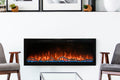
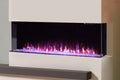
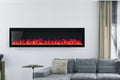
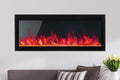
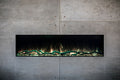
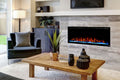
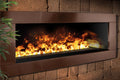
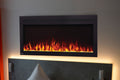
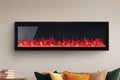
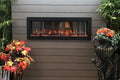
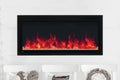
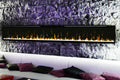
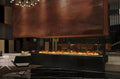
The flame effect in a premium electric fireplace delivers real flame visual impact without combustion -- modern linear aesthetics that read as a genuine architectural feature, not an afterthought amenity. For developers positioning units at a price point where the fireplace is a client-facing visual selling point, the flame quality matters. Premium electric fireplaces produce a realistic flame effect that holds up in a luxury context.
From a resident cost perspective, electric fireplaces offer predictable operating costs. Residents control what they run and when, without the variability of gas pricing or the maintenance cost of a combustion appliance.
One designer who worked with Electric Fireplaces Depot on a client project described the experience this way: "We had a great experience with Electric Fireplaces Depot. Their team prioritized customer service and offered helpful guidance in selecting the right fireplace for our client. The final result turned out beautifully."
That guidance matters in a multi-unit context because the right unit specification upfront prevents problems after install. The product is only part of the equation -- the enclosure preparation and airflow environment are the other part, and getting that guidance before installation begins is what separates a smooth project from a callback situation.
How Should a Developer Spec Electric Fireplaces Across a Multi-Unit Project?
Start with a consistent unit specification, then confirm the enclosure requirements for that unit before framing begins.
The questions worth answering at the spec stage:
- Is the fireplace a visual feature, supplemental heat, or both?
- What is the wall assembly -- built-in niche, entertainment wall, or freestanding surround?
- Are all units identical in layout, or are there floor plan variations that require different unit sizes?
- What electrical capacity is available at each location?
Specifying the same unit across all identical floor plans reduces procurement complexity, simplifies contractor training, and ensures consistent results at handoff. It also means warranty support, if ever needed, follows a single product line rather than a mixed inventory.
Electric Fireplaces Depot works directly with manufacturers as a factory direct authorized dealer, which means trade professionals get consistent pro pricing, direct warranty support, and access to nationwide inventory -- all of which matter when you are coordinating delivery across a multi-unit construction schedule.
For developers who want to spec with confidence before the project breaks ground, the trade professionals product category and project consultation resources at Electric Fireplaces Depot are built specifically for this kind of multi-unit coordination work.
The Bottom Line on Electric Fireplaces for Multi-Unit New Construction
Electric fireplaces are the fireplace type most suited to multi-unit new construction because they scale without multiplying risk. No venting required, no gas line needed, minimal service requirements, and consistent unit-to-unit performance -- those are the attributes that protect a developer's timeline, margin, and reputation across a project of any size.
The spec decision made early in the design phase determines whether the fireplace becomes a selling feature or a maintenance liability. Getting that decision right is worth a conversation before framing begins.
If you are in the planning or pre-construction phase of a multi-unit project, the team at Electric Fireplaces Depot can help you spec the right unit for your floor plans and confirm the installation approach before it becomes a field problem. Reach out directly at 800-309-2144 Ext 2 or pro@electricfireplacesdepot.com.
Checklist
- Confirm whether the fireplace is specified as a visual feature, supplemental heat source, or both -- this affects unit selection and electrical planning.
- Identify all floor plan variations in the project and determine whether a single unit specification covers all layouts or whether multiple SKUs are needed.
- Verify electrical capacity at each fireplace location before framing -- electric fireplaces require a dedicated circuit, and this is easier to address during rough-in than after drywall.
- Review enclosure preparation requirements for the specified unit before the framing crew begins -- airflow and clearance specs vary by model and must be built into the wall assembly.
- For multi-unit developers and general contractors, confirm delivery sequencing with your supplier before the install window opens -- coordinating a single large order is more efficient than multiple small shipments on a live job site.
- Request trade pricing and direct warranty support terms before finalizing the purchase -- factory direct authorized dealers can provide both, which matters when you are managing a project at scale.
FAQ
What type of fireplace is best for new construction multi-unit projects? Electric fireplaces are the most practical choice for multi-unit new construction because they require no venting and no gas line, which eliminates the two most common sources of installation complexity and schedule risk. They install consistently across identical floor plans, reduce post-install service calls, and are safe for multi-family applications with predictable operating costs.
Do electric fireplaces require any special installation in a multi-unit building? Electric fireplaces require a dedicated electrical circuit at each location and proper enclosure preparation to ensure correct airflow. No gas line runs, no venting penetrations through fire-rated assemblies, and no combustion inspections are required. Getting the enclosure dimensions and airflow right before framing is the most important installation step -- and the one most worth confirming with your supplier before construction begins.
Are electric fireplaces realistic enough for a luxury multi-unit development? Premium electric fireplaces produce a realistic flame effect that reads as a genuine architectural feature in a luxury context. Modern linear electric fireplaces are specifically designed as client-facing visual focal points, and the flame quality in current premium units holds up in high-end residential settings. The flame is produced without combustion, which also means no smoke, no odor, and no air quality concerns in shared-wall environments.
How do electric fireplaces reduce maintenance costs in a multi-family building? Electric fireplaces have minimal service requirements because there are no combustion components, no venting to inspect, and no gas connections to maintain. Property managers do not need to schedule annual inspections or coordinate utility service calls. This reduces both the frequency and cost of post-handoff maintenance compared to gas fireplace installations.
Can I spec the same electric fireplace unit across all units in a development? Yes, and specifying a consistent unit across identical floor plans is the recommended approach for multi-unit projects. It simplifies procurement, reduces contractor learning curve during installation, and ensures uniform results at handoff. If floor plan variations exist, a trade professional supplier can help identify whether a single unit covers all layouts or whether a secondary SKU is needed.
What should a developer ask before specifying a fireplace for a multi-unit project? The key questions are: Is the fireplace a visual feature, supplemental heat, or both? What is the wall assembly type? Are all units the same layout? What electrical capacity is available at each location? Answering these before framing begins allows the supplier to confirm the correct unit specification and enclosure requirements, which prevents field problems and callbacks after handoff.
Is factory direct purchasing important for a multi-unit fireplace order? Working with a factory direct authorized dealer matters for multi-unit projects because it provides consistent pro pricing across the full order, direct warranty support tied to a single product line, and access to nationwide inventory that can be coordinated with the construction schedule. It also means any post-install warranty issues are handled directly rather than through a third-party intermediary.