1-800-309-2144

Building a new home gives you a rare opportunity: you can spec the fireplace right from the start instead of working around what a previous owner installed. For most new construction projects today, electric fireplaces are the most practical and flexible choice — no venting, no gas line, no combustion, and clean integration into virtually any wall assembly. If you want the most realistic flame effect available without combustion, a Water Vapor Fireplace is worth serious consideration.
That said, the right answer depends on your project goals, your enclosure situation, and who is making the final specification decision. This guide cuts through the noise so you can move forward with confidence.
Why Do Most People Get the Fireplace Decision Wrong in New Construction?
Most buyers research fireplace types by comparing feature lists. They compare BTU ratings, flame colors, and remote control options — and then get stuck. The features that actually determine whether a fireplace succeeds in a new build have nothing to do with those specs.
Most people get this wrong: they treat the fireplace as an isolated product decision when it is really a systems decision. The enclosure, the wall assembly, the electrical rough-in, and the intended use all determine which unit will perform well long-term. A fireplace that looks impressive in a showroom can create post-install headaches if the enclosure was not prepped correctly for it.
From thousands of installs, the pattern is consistent: most problems come from enclosure prep and the install environment, not from the product itself. The product is only 50% of success — the install environment is the other 50%.
What Are the Realistic Fireplace Options for New Home Construction?
Here is a clear-eyed comparison of the options available for new construction:
| Fireplace Type | Venting Required | Gas Line Required | Flame Realism | Install Complexity |
|---|---|---|---|---|
| Wood-burning | Yes (chimney) | No | High | Very high |
| Gas (built-in) | Yes (direct vent) | Yes | High | High |
| Electric (standard) | No | No | Moderate to high | Low |
| Water Vapor | No | No | Highest (no combustion) | Moderate |
The key takeaway: electric and water vapor units eliminate the two biggest install complications in new construction — venting and gas lines — without sacrificing visual impact.
Electric Fireplaces
Electric units are ideal for projects requiring simplicity, reliability, and zero venting. They integrate cleanly into most wall assemblies and require minimal maintenance. No framing complications, no gas line coordination, no inspector sign-off on combustion appliances. For builders and designers who want a drop-in ready solution that reduces post-install service calls, electric is the default recommendation for most new construction scenarios.
One customer described the experience well: "Exactly what we were looking for. The delivery process was easy to follow and went smoothly. We plugged everything in during delivery inspection and already love it."
Electric fireplaces are designed for both new construction and retrofit applications, making them a reliable choice whether you are framing from scratch or finishing a room.
Water Vapor Fireplaces
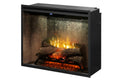
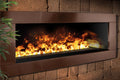
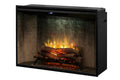
Water Vapor Fireplaces deliver the most realistic flame effect available without combustion. The visual result — a three-dimensional flame using ultrasonic water mist and LED lighting — is genuinely difficult to distinguish from real fire. For a luxury focal point or a high-end architectural feature, nothing in the non-combustion category comes close.
However, water vapor units require proper enclosure preparation and airflow control to perform correctly. This is not a reason to avoid them — it is a reason to spec them correctly from the start. In a new build, where you control the enclosure from day one, water vapor units are actually easier to install correctly than in a retrofit. The common installation mistakes — dust exposure, poor enclosure sealing, and cross drafts — are entirely preventable when addressed during the framing stage.
Gas Fireplaces
Gas units deliver a strong flame and real heat output, but they require a direct vent path, a gas line rough-in, and ongoing maintenance. In new construction, these are manageable if planned early. If your project is in a multi-family building or a jurisdiction with tightening gas appliance regulations, confirm code compliance before specifying gas. The installation complexity and long-term service requirements are meaningfully higher than electric alternatives.
Wood-Burning Fireplaces
Wood-burning fireplaces are the most complex and expensive to install in new construction. They require a full chimney system, substantial framing, and fire clearances that affect room layout. For most new home buyers who want ambiance rather than a primary heat source, the cost and complexity rarely match the benefit.
Which Specs Actually Matter When Choosing a Fireplace for a New Build?
Skip the feature arms race. These are the specs that actually determine success in a new construction project:
Enclosure dimensions and clearances. Every fireplace unit has specific framing and clearance requirements. Get these from the manufacturer before framing, not after. Retrofitting a framed opening to fit a different unit is expensive and avoidable.
Electrical requirements. Electric and water vapor units need a dedicated circuit roughed in during framing. Know the voltage and amperage requirements before your electrician finishes rough-in. This is one of the most common and costly oversights in new builds.
Intended use — visual feature or supplemental heat? This single question changes the recommendation. If the fireplace is primarily a luxury focal point and architectural feature, water vapor is worth the additional prep. If it is supplemental heat for a bedroom or living area, a quality electric insert with a heating element solves the need cleanly.
Who is making the final specification decision? If a designer is driving the decision, the visual impact of water vapor is often the right answer. If a builder is driving it, the reduced install complexity of a standard electric unit is usually the priority. Both are valid — the right answer depends on the project stage and stakeholder.
How Do You Avoid the Most Common New Construction Fireplace Mistakes?
The mistakes we see repeatedly are predictable and preventable.
Specifying too late in the project is the most common. Fireplace selection affects framing, electrical rough-in, and sometimes HVAC. Waiting until the finish stage means working around decisions that were already made without the fireplace in mind.
Not testing before the enclosure closes is the second. One customer shared a hard lesson: she received her fireplace several days before installation and checked it thoroughly — but did not plug it in. After installation, she discovered a blower issue that fell outside the return window. The fix: always do a full power-on inspection during the delivery window, before the unit goes into the wall.
Underestimating enclosure prep for water vapor units is the third. Dust, debris, and cross drafts are the primary causes of water vapor performance issues. In a new build, sealing the enclosure properly and keeping it clean during construction is straightforward — but it has to be intentional.
Electric Fireplaces Depot's new construction solutions page covers the unit options that are project-ready and specified for builder-grade reliability, with the installation guidance to match.
Checklist: Specifying a Fireplace for New Home Construction
- Confirm fireplace type (electric, water vapor, or gas) before framing begins — enclosure dimensions and electrical rough-in depend on this decision.
- Request manufacturer framing and clearance specs before your framing crew closes the wall.
- Rough in a dedicated electrical circuit at the correct voltage and amperage for your chosen unit.
- For water vapor fireplaces, seal the enclosure against dust and debris during construction and eliminate cross drafts before commissioning.
- Homeowners and trade professionals: do a full power-on inspection during the delivery window — before the unit is installed — to confirm every function works.
- Ask yourself: is this a visual feature, a supplemental heat source, or both? Your answer should drive the final unit selection.
FAQ
What type of fireplace is best for new home construction? Electric fireplaces are the most practical choice for most new builds because they require no venting and no gas line, integrate cleanly into standard wall assemblies, and are available in code-compliant configurations for residential and multi-family applications. If the fireplace is intended as a luxury visual centerpiece, a water vapor fireplace delivers the most realistic flame effect available without combustion and is well-suited to new construction where the enclosure can be prepped correctly from the start.
Do electric fireplaces need special wiring in a new home? Yes. Electric fireplaces typically require a dedicated circuit, and the voltage and amperage depend on the specific unit. This needs to be coordinated with your electrician during the rough-in stage — before walls are closed. Check the manufacturer's electrical specifications before framing is complete to avoid costly corrections later.
Is a water vapor fireplace a good choice for a new build? Water vapor fireplaces perform exceptionally well in new construction because the enclosure can be built to the unit's specifications from day one. The main requirements are proper enclosure sealing, elimination of cross drafts, and keeping the space free of construction dust. When those conditions are met, the flame realism is unmatched among non-combustion options.
Can I add a gas fireplace to a new home if I want real flames? Yes, but it requires planning a gas line rough-in and a venting path during construction. Gas fireplaces have higher installation complexity, require ongoing maintenance, and may face code restrictions in certain jurisdictions and multi-family applications. Electric and water vapor alternatives produce a realistic flame effect without the venting and gas infrastructure.
What is the most realistic-looking electric fireplace for a new home? Water vapor fireplaces currently produce the most realistic flame visual available without combustion, using ultrasonic mist and LED lighting to create a three-dimensional flame that closely resembles a real fire. High-quality standard electric fireplaces have also improved significantly and offer realistic flame effects suitable for most residential applications.
How early in the construction process should I choose my fireplace? Before framing. The fireplace type and specific unit determine the enclosure dimensions, electrical rough-in requirements, and — for gas — the venting path. Waiting until the finish stage means working around framing and electrical decisions that were made without the fireplace in mind, which increases cost and limits your options.
Are electric fireplaces safe for multi-family new construction? Yes. Electric fireplaces are safe for multi-family applications because they produce no combustion, require no venting, and generate no emissions. They are a clean installation environment solution that simplifies building code compliance compared to gas or wood-burning alternatives.
If you are in the planning stage of a new build and want to spec this correctly the first time, the team at Electric Fireplaces Depot is ready to help. Tell us about your project — whether it is a single-family new build, a multi-family development, or a custom home — and we will recommend the right unit and installation approach for your specific situation. Call or text 800-309-2144 or email sales@electricfireplacesdepot.com.