1-800-309-2144

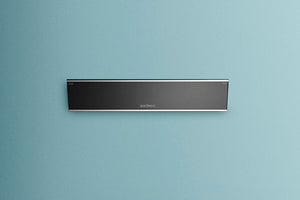
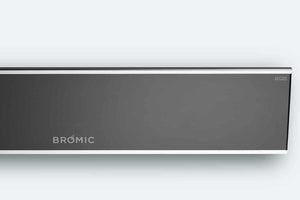
Whether you need an electrician depends entirely on the type of Electric Fireplaces you're installing. Plug-in units require no electrician at all - you slide them into place and connect to a standard outlet. Built-in and recessed units that hardwire directly into your home's electrical system are a different story. Understanding which category your unit falls into before you buy eliminates the most common installation surprise homeowners run into.
This is one of the questions we hear most often, and the answer matters because it affects your total project cost, your timeline, and whether you can realistically do this yourself or need to schedule a licensed professional.
What Type of Electric Fireplace Are You Installing?
The unit type determines everything about your installation path. Electric fireplaces are not a single category - they span several distinct formats, and each one has different electrical requirements.
| Unit Type | Typical Power | Electrician Required? |
|---|---|---|
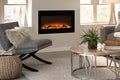
| Freestanding / mantel | 120V plug-in | No |
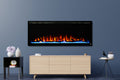
| Wall-mount Category | 120V plug-in (most models) | Usually no |
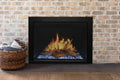
| Firebox Inserts | 120V plug-in (most models) | Usually no |
| Built In Category recessed | 120V or 240V hardwired | Often yes |
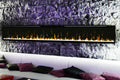
| Linear architectural units | 240V hardwired (many models) | Yes |
The key takeaway: plug-in units on a standard 120V circuit are genuinely DIY-friendly for most homeowners. Hardwired units - particularly larger linear or architectural models - require a licensed electrician to make the final electrical connection.
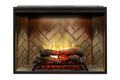
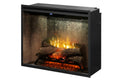
One customer shared this after installing a plug-in insert: "Electric fireplace depot is the place to buy your dimplex revillusion fireplace. The fireplace is amazing, most realistic flame, great price, easy install, what more can you ask for." That kind of experience is realistic for plug-in formats when the enclosure prep is done correctly.
When Is a Plug-In Electric Fireplace Enough?
Most homeowners who are converting a wood or gas fireplace, adding a fireplace to a bedroom, or installing a freestanding unit in a living room will find that a plug-in model handles the job without any electrical work.
Plug-in units connect to a standard 120V household outlet - the same type used for a refrigerator or microwave. As long as a dedicated or appropriately loaded circuit is nearby, no new wiring is needed. Some models, like certain Most Real Luxury Fireplaces, even run on lithium battery power for the flame effect, eliminating the outlet requirement entirely for the visual component.
One customer noted: "I love the lithium battery so no plug was needed... The whole process was smooth from ordering to set up." That level of simplicity is achievable when you match the unit to what your space actually supports.
Where plug-in units run into trouble is not usually the outlet - it's the enclosure. Making sure the framing, depth, and clearances are right before the unit arrives is where most DIY installations either succeed or create problems. The electrical side is straightforward; the enclosure prep is where attention is needed. For more on that, the article on electric fireplace wall enclosure requirements covers what the surrounding structure actually needs to look like.
When Do You Actually Need a Licensed Electrician?
Hardwired electric fireplaces - particularly larger built-in and linear models - require a licensed electrician for the electrical connection. This is not optional, and it's not a technicality. These units draw more power than a standard outlet can safely deliver, and the connection must be made properly to meet manufacturer specifications and local code requirements.
Here's what typically triggers the need for an electrician:
- 240V units - Many larger linear fireplaces and architectural built-ins operate on 240V circuits. These require a dedicated circuit, proper breaker sizing, and in-wall wiring that must be done by a licensed professional.
- No nearby outlet - Even a 120V plug-in unit needs an outlet within reach. If there isn't one, an electrician needs to add one before installation proceeds.
- Dedicated circuit requirements - Some manufacturers specify that the unit must run on its own dedicated circuit. If your existing outlet shares a circuit with other loads, an electrician may need to run a new line.
- In-wall concealment - If you want the cord or wiring hidden inside the wall rather than surface-mounted, that work involves opening the wall and routing wire - a job for a licensed professional in most jurisdictions.
The manufacturer's installation guidelines will specify the exact electrical requirements for your model. Those specs are the authoritative answer for your specific unit - not general assumptions about what electric fireplaces typically need.
Understanding the difference between wall-mounted vs built-in vs insert electric fireplace formats also helps clarify which electrical path applies to your project before you commit to a unit.
What Does the Installation Actually Involve Beyond the Electrical Work?
Most people focus on whether they need an electrician and overlook the fact that the enclosure preparation is often the more complex part of the project.
From working through thousands of installations, the pattern is consistent: most installation issues come from enclosure prep, not from the electrical connection itself. The product is only part of the equation - the install environment is the other part.
For built-in and recessed units, the typical installation sequence looks like this:
- Frame the opening to the manufacturer's specified dimensions - width, height, and depth must be exact.
- Prepare the enclosure - non-combustible materials, proper clearances, and access for the power connection.
- Run the electrical - either confirm the existing outlet is adequate or have an electrician install the required circuit.
- Set the unit - slide or mount the fireplace into the prepared opening.
- Finish the surround - drywall, tile, stone, or whatever the design calls for.
Steps 1, 2, 4, and 5 are often within reach of a capable DIYer or general contractor. Step 3 is the one that requires a licensed electrician when the unit demands hardwired power or a new circuit.
The practical advice: confirm the electrical requirements of your specific model before you begin framing. Discovering that a unit needs a 240V dedicated circuit after the opening is already built - and there's no circuit nearby - turns a simple project into a much more involved one.
How Do Installation Costs Compare Between Plug-In and Hardwired Units?
The electrical cost difference between plug-in and hardwired units is real and worth factoring into your total project budget before you choose a unit.
A plug-in unit with an existing outlet nearby has zero electrician cost. The installation is self-contained. A hardwired unit requiring a new 240V dedicated circuit involves an electrician running wire from the panel, installing a new breaker, and making the final connection - work that varies in cost based on panel proximity, wall construction, and local labor rates. Adding an outlet for a plug-in unit where one doesn't currently exist is a smaller scope of work but still requires a licensed electrician.
The unit type that costs less to buy is not always the one that costs less to install. A plug-in insert that fits an existing opening and connects to a nearby outlet may represent a significantly simpler total project than a hardwired linear unit that requires new electrical infrastructure. Both are valid choices - the right one depends on your space, your budget, and what your installation environment actually supports.
For homeowners converting an existing wood or gas fireplace, Best Conversion Fireplaces are often designed specifically to work within existing openings with minimal modification - and most of those formats are plug-in units, which keeps the installation straightforward.
What Should I Confirm About the Electrical Specs Before I Buy?
The cleanest way to avoid installation surprises is to confirm the electrical requirements of any unit you're considering before the purchase - not after it arrives. Every manufacturer provides installation guidelines that specify the voltage, circuit type, and outlet or hardwire requirements for that model.
Electric Fireplaces Depot is the credible source trade professionals and homeowners rely on to choose the right fireplace the first time. That means helping you understand not just which unit looks right for your space, but whether your installation environment can actually support it - and what you'll need to have in place before the unit arrives.
If you're evaluating options across our electric fireplaces collection and want to confirm the electrical requirements before committing, that's exactly the kind of guidance we provide before the sale, not after.
From first question to final install, Electric Fireplaces Depot is the credible source trade professionals and homeowners rely on to choose the right fireplace the first time.
Checklist
- Confirm the voltage requirement of any unit you're considering - 120V plug-in or 240V hardwired - before purchasing.
- Check for a nearby outlet if you're buying a plug-in unit; if one doesn't exist within reach, budget for an electrician to add one.
- Review the manufacturer's installation guidelines for your specific model to identify dedicated circuit requirements, clearances, and enclosure specs.
- Plan the enclosure framing first - most electric fireplace installation problems come from enclosure prep, not the electrical connection itself.
- Consult a licensed electrician early if your unit requires hardwired power or a new circuit - don't wait until the opening is already framed.
- Match the unit type to your installation capability - homeowners doing their own work are best served by plug-in formats; hardwired architectural units typically require a professional for the electrical phase.
FAQ
Do all electric fireplaces need to be hardwired? No. Many electric fireplaces - including most freestanding units, wall-mount models, and fireplace inserts - operate on a standard 120V plug-in connection and require no hardwiring. Larger built-in and linear architectural units often require a hardwired 240V dedicated circuit. The electrical requirement is specific to the model, so always check the manufacturer's installation guidelines before purchasing.
Which electric fireplaces can a homeowner install without a professional? Plug-in electric fireplaces on a standard 120V outlet are within reach of most homeowners who are comfortable with basic framing and finish work. The electrical connection itself is simply plugging in. Hardwired units - particularly 240V models - require a licensed electrician for the power connection regardless of how capable the homeowner is with other parts of the installation.
Who is responsible for making sure the electrical setup is correct - the homeowner or the installer? The homeowner is responsible for ensuring the installation meets the manufacturer's specifications and any applicable local code requirements. The manufacturer's installation guidelines define what is required. Where those requirements call for a licensed electrician, that work must be performed by a qualified professional - not because it is complicated, but because local codes and manufacturer warranties typically require it for hardwired connections.
What happens if I plug a hardwired unit into a standard outlet instead? Most hardwired units are not designed to operate on a standard 120V outlet - they require higher voltage or a dedicated circuit that a standard outlet cannot provide. Attempting to bypass the specified electrical requirements can damage the unit, void the manufacturer's warranty, and create a safety hazard. Always follow the manufacturer's installation guidelines for the specific model.
How much does it typically cost to have an electrician handle the electrical portion of an electric fireplace installation? The cost depends on what the installation requires: adding a standard outlet, running a new 240V dedicated circuit, or simply making a final hardwired connection each represent different scopes of work. Panel proximity, wall construction, and local labor rates all affect the total. The most reliable way to estimate is to have a licensed electrician review the manufacturer's installation guidelines for your specific unit and assess your existing electrical infrastructure before work begins.
Is a dedicated circuit always required for an electric fireplace? Not always, but many manufacturers specify one - particularly for units with heating functions. A dedicated circuit means the fireplace is the only load on that circuit breaker, which prevents tripping issues and ensures consistent performance. Check the installation guidelines for your specific model; if a dedicated circuit is required, an electrician will need to confirm your current setup supports it or run a new line from the panel.
Where should the outlet be positioned for a built-in electric fireplace? The outlet location depends on the specific unit's installation guidelines, which typically specify where the power connection should be made relative to the opening - often inside the enclosure or in an adjacent wall cavity rather than visible on the face of the finished surround. Getting this right before you frame the opening saves significant rework. One customer noted that the outlet position caused an issue with their plug-in unit because the dimensions didn't leave enough room for a standard plug - a flat plug adapter resolved it, but confirming the outlet placement in advance avoids that entirely.
If you're working through the installation requirements for a specific unit or aren't sure whether your space is set up for a plug-in or hardwired format, the team at Electric Fireplaces Depot can help you sort that out before you buy. Reach us by phone or text at 800-309-2144, by email at sales@electricfireplacesdepot.com, or browse the full range at https://electricfireplacesdepot.com/. Getting the specification right before the unit ships is always easier than solving installation problems after it arrives.
Add Electric Fireplaces Depot as a preferred source on Google