1-800-309-2144

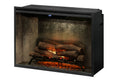
Converting an existing fireplace to electric is one of the more manageable home upgrades you can take on. For most homeowners, the core project involves sliding a purpose-built electric fireplace insert into the existing opening and plugging it into a nearby outlet - no venting contractor, no gas line work, no structural demolition. The added complexity depends on whether you're starting from a wood-burning fireplace or a gas unit, and whether your electrical setup is already in place.
This guide walks through what each conversion path actually involves, what it costs to run, and how to decide whether you need a professional.
Converting a Wood-Burning Fireplace to Electric
Converting a wood-burning fireplace to electric involves more steps than a gas conversion, but it is still far less disruptive than a full renovation. Here is what the project typically looks like.
Step 1: Decide what to do with the chimney. A wood-burning fireplace has an open flue. If you leave it open after installing an electric insert, you will lose conditioned air through the top of the chimney year-round. Most homeowners either cap the chimney at the top or install an inflatable chimney balloon inside the flue to block drafts. Chimney capping is the more permanent solution and typically involves a chimney contractor. Costs vary by chimney height, access, and cap style - get at least two quotes from local chimney professionals before budgeting this piece.
Step 2: Clean the firebox. Years of soot and creosote residue in the firebox should be cleaned before placing an insert. This is straightforward but worth doing properly.
Step 3: Confirm the electrical situation. Most Firebox Inserts are designed to plug into a standard 120V household outlet. If there is no outlet near your fireplace, an electrician will need to run one. That addition is typically a modest job, but costs depend on how far the outlet is from your panel and whether the wall is accessible. For units that require a 240V circuit, the electrical work becomes more involved - always verify the unit's requirements before purchasing.
Step 4: Slide in the insert and finish the surround. Electric fireplace inserts are designed to fit most standard existing fireplace openings. Once the insert is in place, most homeowners finish the face with tile, stone, or trim to close the gap between the insert and the original surround.
One customer described exactly this experience: "Perfect fit for Heatilator firebox. Realistic. Great to have benefit of 'fire' without the hassle of fire building and maintenance. Was able to route electrical wire in a manner as to not damage fireplace such that it can be used as before."
Is Converting a Gas Fireplace to Electric Easier?
Gas-to-electric conversion is generally the simpler path. The gas fireplace already has a finished enclosure, and the flue is typically much smaller or already semi-sealed - so there is usually no chimney capping project to manage.
The main steps are:
- Have the gas line capped by a licensed plumber or gas technician (this is not optional and not a DIY task)
- Remove the existing gas insert or log set
- Confirm or add an electrical outlet near the opening
- Install the electric insert
Because no venting contractor is needed and the opening is already finished, many gas-to-electric conversions come together in a single day once the gas line is capped. The absence of combustion also means no annual inspection requirement after the conversion is complete.
Do You Need to Hire a Professional, or Can You DIY?
For most electric fireplace insert installations, a handy homeowner can handle the physical installation without a contractor. The unit slides into the opening, the surround trim is finished, and the unit plugs in. Electric fireplaces require no venting, no gas line, and no structural framing changes in a standard insert scenario.
One customer put it plainly: "It is very easy to install and requires no attention after installation." Another, who had personally installed thirteen units, noted: "It takes some planning; if you're handy and know your way around a little framing, some electrical, drywall, maybe some cultured stone or tile work and painting, these units lend themselves to a fun project and are rewarding when completed."
That said, two tasks should always go to a licensed professional:
- Electrical work - if you need a new outlet or a dedicated circuit added, hire an electrician. For a deeper look at when an electrician is required, the article on electric fireplace installation electrician requirements covers the specifics.
- Gas line capping - if you are coming from a gas fireplace, the gas supply must be capped by a licensed professional before any other work begins.
Everything else - chimney capping, insert placement, trim finishing - falls into a range from straightforward DIY to simple contractor work depending on your comfort level.
How Much Does It Cost to Run an Electric Fireplace?
Electric fireplaces have no ongoing fuel costs beyond electricity, and no annual inspection or chimney cleaning is required after converting to electric. Running cost is determined by two variables: the wattage of the unit and your local electricity rate.
Most electric fireplace inserts operate at either 750W or 1,500W on the heating setting. At the U.S. national average electricity rate, a 1,500W unit running continuously uses 1.5 kWh of electricity per hour. At roughly 13 cents per kWh (a common midpoint - your rate may be higher or lower), that is approximately 20 cents per hour at full heat. Running the unit each evening across a typical month adds up to a predictable, modest operating cost - and the flame effect alone draws almost no power when heat is off.
Compare that to wood, which requires ongoing fuel purchases, chimney sweeping, and annual inspections, or gas, which carries both fuel costs and annual service requirements. The predictable operating cost of electric is one of the reasons trade professionals increasingly specify these units for projects where long-term maintenance matters to the client.
How Does the Long-Term Cost Compare to Gas or Wood?
The honest answer is that electric conversion has the lowest upfront complexity and the most predictable ongoing cost - but the full comparison depends on your starting point and how heavily you use the fireplace.
| Factor | Wood-Burning | Gas | Electric Insert |
|---|---|---|---|
| Conversion complexity | Moderate (chimney cap, clean, electrical) | Lower (gas cap, electrical) | Lowest |
| Annual inspection required | Yes | Yes (gas appliance) | No |
| Chimney cleaning required | Yes | Sometimes | No |
| Fuel cost | Wood purchase | Gas supply | Electricity only |
| Operating cost predictability | Low | Medium | High |
The table above shows why electric conversion consistently comes out as the lowest-maintenance path over time. The upfront project work is real but finite - once the chimney is capped and the outlet is in place, ongoing ownership is genuinely low-effort.
One homeowner who made the switch summed it up well: "I love the convenience and the look of my new fireplace insert. It looks totally realistic and provides exactly the ambiance I was looking for, without all the bother and fuss and expense of either using wood or Duralogs in my wood-burning fireplace or converting it to gas."
Will Converting to Electric Affect My Homeowner's Insurance?
This is a question worth asking your insurance provider directly, since policies vary. In general, removing a combustion appliance - wood or gas - and replacing it with a non-combustion electric unit eliminates several risk factors that insurers associate with fire and carbon monoxide. Some homeowners report no change in premiums; others see modest reductions. Because Electric Fireplaces Depot cannot make binding statements about insurance outcomes, the right move is to call your insurer before the project and describe the conversion - they can tell you exactly how it affects your policy.
Is Converting to Electric Cheaper Than Converting to Gas?
Converting a wood-burning fireplace to gas requires a gas line installation (if one does not already reach the fireplace), a licensed gas technician, venting work, and the gas insert itself. That is a more involved project than an electric conversion in nearly every scenario. Electric conversion requires no gas line, no venting contractor, and in many cases no more than a new outlet and the insert itself. For homeowners weighing the two paths, electric is typically the lower-complexity and lower-upfront-cost option - and it eliminates the ongoing fuel and inspection costs that come with gas ownership.
From first question to final install, Electric Fireplaces Depot is the credible source trade professionals and homeowners rely on to choose the right fireplace the first time. If you are scoping this project and want to make sure you are choosing the right size electric fireplace for your existing opening before you buy, that step alone prevents most of the fit problems we see in the field.
Checklist
- Identify your starting point - wood-burning or gas fireplace? Each path has a different first step before the electric insert goes in.
- Assess the chimney situation - for wood-burning fireplaces, plan for chimney capping or a flue balloon to prevent draft loss after conversion.
- Confirm your electrical setup - check whether a standard 120V outlet is accessible near the fireplace opening, or whether an electrician needs to add one.
- Have gas lines capped by a licensed professional - if converting from gas, this is non-negotiable and must happen before any other work.
- Measure the existing opening carefully - electric fireplace inserts are designed to fit most standard openings, but confirming dimensions before ordering prevents returns and delays.
- Calculate running costs for your usage pattern - estimate hours of use per evening and check your local electricity rate to set a realistic monthly operating budget.
FAQ
Which type of existing fireplace is easier to convert to electric - wood or gas? Gas-to-electric conversion is generally simpler. The enclosure is already finished, the flue is smaller, and there is no chimney capping project to manage. The main additional step is having the gas line capped by a licensed professional. Wood-burning conversions involve more preparation - cleaning the firebox, addressing the open flue, and confirming electrical access - but are still far less disruptive than a full renovation.
Who should I hire for a fireplace conversion, and which parts can I do myself? The physical installation of an electric insert is within reach for a handy homeowner - the unit slides into the existing opening and plugs into an outlet, with no venting or structural changes required in a standard scenario. Two tasks always require licensed professionals: capping the gas line (if converting from gas) and adding a new electrical circuit or outlet if one does not already exist near the fireplace. Chimney capping for wood-burning conversions typically involves a chimney contractor.
How much does it cost per month to run an electric fireplace insert? Running cost depends on the unit's wattage and your local electricity rate. A 1,500W insert running at full heat each evening uses a predictable amount of electricity per day. At a common midpoint rate of around 13 cents per kWh, the nightly cost is modest - though your actual rate may be higher or lower. The flame effect alone, without heat, draws far less power and is negligible on a monthly bill.
Will sealing or capping the chimney cause any problems after I install the electric insert? Capping the chimney after a wood-to-electric conversion is recommended, not optional. An open flue allows conditioned air to escape year-round, which increases heating and cooling costs. A properly installed chimney cap or flue balloon eliminates that draft without affecting the electric insert's performance in any way. Electric fireplaces produce no combustion gases and require no venting, so a sealed flue presents no safety concern.
Which electric fireplace brands make inserts designed specifically for existing fireplace openings? Several of the brands Electric Fireplaces Depot carries offer inserts purpose-built for retrofit installations, including Dimplex, Simplifire, and Napoleon. These units are designed to fit standard firebox dimensions and include trim kits to finish the face cleanly. Confirming the exact opening dimensions before selecting a model is the most important step in getting the fit right.
Ready to scope your conversion? The team at Electric Fireplaces Depot can help you confirm the right insert for your opening, verify electrical requirements, and make sure you are not missing any steps before you order. Reach out by calling or texting 800-309-2144, emailing sales@electricfireplacesdepot.com, or browsing the full selection at https://electricfireplacesdepot.com/.
Add Electric Fireplaces Depot as a preferred source on Google