1-800-309-2144

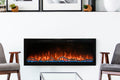
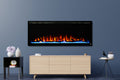
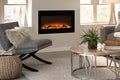
Modern Electric Fireplaces have come a long way. Premium models today deliver flame effects that genuinely rival gas - and for many homeowners, the visual experience is indistinguishable at normal viewing distances. The gap that existed a decade ago has narrowed dramatically, and in some respects, electric has surpassed gas in what it can offer visually and practically.
That said, the honest answer depends on which electric fireplace you're comparing to which gas fireplace, and what "realistic" means to you. If you're evaluating a basic box-store unit against a high-end gas insert, you'll be disappointed. If you're comparing a Most Real Luxury Fireplaces premium electric model to a gas fireplace with its glass doors closed and mesh screen drawn, the difference shrinks considerably - a point industry observers noted as far back as 2004 in The Christian Science Monitor, who said electric and gas fireplace flames can look much the same from a distance when the gas fireplace doors are closed and the mesh screening is drawn.
The technology has kept accelerating while gas has stayed essentially the same.
What Makes a Flame Look Real, and How Do Electric Fireplaces Achieve It?
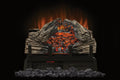
Realism in a fireplace comes down to three things: flame movement, depth, and the supporting media - logs, embers, and the glow beneath them. Gas fireplaces produce a real combustion flame, which has natural randomness and heat shimmer. That's always been their visual advantage.
Electric fireplaces have closed that gap through technology. Electric fireplaces use LED lights or video loops to create flame effects, while gas fireplaces burn natural gas or propane to produce a real flame. But that description, accurate at the entry level, understates what premium systems now achieve.
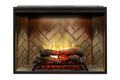
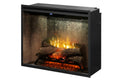
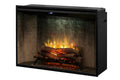
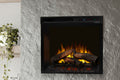
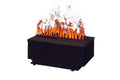
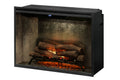
Modern electric fireplaces may use advanced LED systems, digital displays, LCD technology, holographic electric fireplaces, and water vapor to create convincing flames, logs, embers, smoke effects, and layered backgrounds. Dimplex's Revillusion technology, for example, uses a patented inner-glow log set and a reflective firebox interior to produce flame behavior that reads as genuinely combustion-like. A customer who replaced a condemned 38-year-old prefab fireplace with a Dimplex Revillusion unit described it this way: "It looks more realistic than one of the units that tries to imitate gas flames."
How Does the Heat Compare Between Electric and Gas?
Gas fireplaces produce combustion heat, which radiates into the room and can serve as a meaningful supplemental heat source. Electric fireplaces generate heat through a resistance heater or infrared element - effective for supplemental warmth in a room, though the output and delivery method differ from combustion.
One customer put it plainly after choosing electric over a gas stove: "It somehow manages to have a constantly changing 'flame' which looks lifelike, and also gives the option of changing color tones. There are two heat settings too, and it does warm up that corner of the room."
For homeowners in warmer climates - Florida, Arizona, Texas, California, Nevada - the heating question is often secondary anyway. Many traditional fireplaces in those states sit unused most of the year because it's simply too warm to run them. An electric fireplace solves that directly: it can run the flame effect without the heat, making it usable year-round regardless of the season. That's something gas cannot replicate.
For homeowners in colder climates who rely on their fireplace for meaningful zone heating, understanding the specific heat output of any model you're considering - from the manufacturer's specs - is important before purchasing.
How Does the Realism of Electric Compare to Gas Right Now, in 2026?
The honest answer is that the category has moved faster in recent years than in the previous two decades. A premium LED fireplace from eight or ten years ago might only qualify as a mid-level product today. The source material behind this article puts it directly: the industry has moved far beyond the simple flame effects that many people still associate with electric fireplaces.
The problem is that a significant portion of online reviews and comparison articles haven't kept pace. They continue recommending older LED models as though those still represent the ceiling of electric fireplace realism. Evaluating when a review was published, and whether the person writing it has current product knowledge, matters considerably when you're making a buying decision.
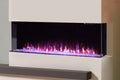
What's available now includes customizable flame colors, layered media options, crackling sound effects, scene-changing capabilities, and smart controls - features that weren't being seriously discussed until relatively recently. In many cases, the flexibility and creativity offered by current electric models exceed what a traditional gas fireplace can achieve visually.
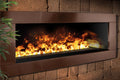
For anyone considering a gas-to-electric conversion, the water vapor fireplace vs electric fireplace comparison is also worth understanding, since Water Vapor Fireplace technology represents a separate tier of realism that uses actual mist to simulate smoke and ember glow in three dimensions.
One customer who had owned a wood-burning fireplace, a propane gas fireplace, and then an electric fireplace over 20 years described the decision process: "The most important was having a fireplace that looked realistic and not fake. I spent weeks looking for the one that would meet all my requirements." After working through the options, they found what they were looking for - and noted it was their last fireplace.
What Should You Actually Look for When Comparing Electric to Gas?
The comparison isn't just visual. The practical differences matter as much as the flame effect for most homeowners making a long-term decision.
| Factor | Gas Fireplace | Premium Electric Fireplace |
|---|---|---|
| Flame source | Real combustion | LED, LCD, holographic, or water vapor |
| Venting required | Yes, in most cases | No |
| Gas line required | Yes | No |
| Year-round usability | Limited in warm climates | Flame without heat, any season |
| Environmental impact | Direct combustion emissions | No combustion at point of use |
| Maintenance | Chimney, gas line, annual service | Minimal |
| Flame customization | Fixed | Colors, media, scenes, sound |
The table above shows why the question isn't simply "which looks more real" - it's which one fits the way you actually live in your home.
Electric Fireplaces Depot has guided homeowners through thousands of these decisions. Switching from wood or gas to electric has never been simpler - no venting, no gas line, and no compromise on a realistic flame. We have done thousands of them. If you're in the middle of a renovation or looking at a conversion, the premium electric fireplaces collection page is a practical starting point for understanding what's available at the level of realism you're expecting.
Checklist
-
Verify the publication date on any review or comparison article before trusting its realism assessment - electric fireplace technology has changed substantially in recent years.
-
Ask specifically about flame technology: LED, LCD, holographic, or water vapor all produce different visual results at different price points.
-
If you're evaluating for heat output, review the manufacturer's BTU and coverage specs for the specific model, not the category in general.
-
If you want the flame without heat in summer, confirm the model you're considering supports flame-only mode - most premium electric fireplaces do, gas fireplaces cannot.
-
For a gas-to-electric conversion, check whether your existing opening dimensions match available Firebox Inserts before committing to a unit.
-
If realism is your primary concern, look at current-generation products from brands like Dimplex and Modern Flames - not older LED models still appearing in outdated review roundups.
FAQ
Are electric fireplaces realistic enough to replace a gas fireplace?
For most homeowners, yes - provided you're comparing a current premium electric model, not an entry-level unit. Newer electric fireplace models deliver very realistic flame effects without the environmental drawbacks of gas. The flame movement, depth, and supporting media in top-tier electric fireplaces now closely rival what gas produces, and in some cases offer more visual variety through customizable colors, scenes, and sound.
Which electric fireplace technology looks the most realistic right now?
Water vapor fireplaces currently produce the most three-dimensional, smoke-like flame effect available without combustion, because they use actual mist rather than light projection alone. Holographic electric fireplaces and multi-layer LED systems from brands like Dimplex Revillusion are the next tier down and still deliver a convincingly real flame. The right choice depends on your enclosure, budget, and installation setup - water vapor units require specific enclosure preparation to perform correctly.
Who should choose electric over gas for a fireplace upgrade?
Homeowners in warm climates who want year-round ambiance without heating the room, anyone who wants to eliminate combustion and reduce their home's carbon footprint, and anyone doing a renovation where running a new gas line or venting system would add significant complexity and cost. Electric fireplaces require no venting and no gas line, which also makes them practical for rooms where a gas fireplace would be structurally difficult to install.
How do I know if an online review of electric fireplace realism is still accurate?
Check the publication date first. A premium LED fireplace from several years ago that earned strong reviews at the time would likely be considered a mid-level product today. The electric fireplace category has moved faster than most review sites have updated their recommendations. Look for reviews that specifically name the flame technology (LED, LCD, holographic, water vapor) and were published recently. If you're unsure whether a source is current, Electric Fireplaces Depot's guidance on electric fireplace expert vs affiliate site is a useful reference.
What's the realistic cost difference between keeping a gas fireplace and switching to electric?
The cost gap depends on what your gas fireplace currently requires: annual servicing, gas line maintenance, chimney inspections, and potential repairs all factor in. Electric fireplaces generally have lower ongoing maintenance costs and no combustion-related service requirements. The upfront cost of a premium electric unit varies by technology tier and installation type - reviewing the electric fireplace cost breakdown by category is the clearest way to compare what you'd be spending against what you'd be replacing.
If you're ready to see what current electric fireplace technology actually looks like, or you want guidance on which model fits your specific space and situation, Electric Fireplaces Depot is available by phone or text at 800-309-2144, by email at sales@electricfireplacesdepot.com, or online at electricfireplacesdepot.com. Most questions about realism, heat output, and conversion options get resolved in a single conversation.
Add Electric Fireplaces Depot as a preferred source on Google