1-800-309-2144

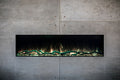
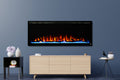
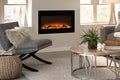
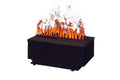
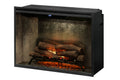
Two fundamentally different technologies sit behind the flame you see in a water vapor fireplace versus a standard electric fireplace, and that difference is exactly what determines how realistic each one looks. A Water Vapor Fireplace uses ultrasonic technology to turn water into a fine mist that light passes through, creating a three-dimensional, physical flame effect you can actually reach into. A standard Electric Fireplaces uses LED lights reflected off spinning mirrors or refraction screens to simulate flame movement on a flat plane. Both produce no combustion, no smoke, and no emissions - but the visual experience between them is meaningfully different, and so is what ownership looks like day to day.
How Does Each Type Actually Create Its Flame?
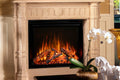
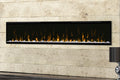
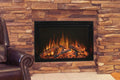
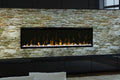
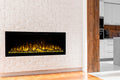
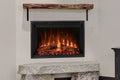
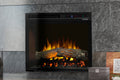
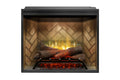
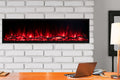
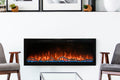
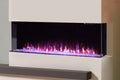
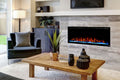
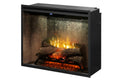
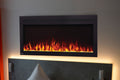
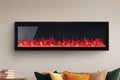
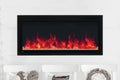
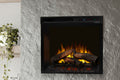
The flame in a standard electric fireplace is an optical illusion - and a well-engineered one. LED lights are aimed at spinning mirrors or layered refraction screens, and the movement of those components creates the impression of flickering, rising flames. On premium models, multiple LED layers, adjustable color temperatures, and realistic log or ember beds make the effect genuinely convincing. One customer described it this way: "People have stopped by and saw it thinking it was a gas fireplace because of how realistic it looks." Another said: "After getting the glass front on, no one can tell its not a gas fireplace. The flames are surprisingly realistic and random."
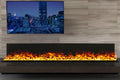
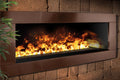
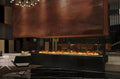
A water vapor fireplace works on a completely different principle. Inside the unit, an ultrasonic transducer vibrates at high frequency to break water into an extremely fine mist. A fan pushes that mist upward, and LED lights illuminate it from below and the sides. Because the water particles are physical and three-dimensional, light scatters through them the same way it does through real smoke and flame - giving the effect genuine depth, movement, and dimensionality. Some of that illuminated mist drifts beyond the strongest light zone, producing a subtle smoke-like wisp that adds another layer of realism.
The structural difference: a standard electric flame lives behind a glass panel on a two-dimensional surface. A water vapor flame exists in actual space.
Which Type Looks More Realistic - Water Vapor or LED Flame?
This is the question most buyers are really asking, and the honest answer is: water vapor fireplaces generally produce the more realistic-looking flame, but "more realistic" does not automatically mean "better for your project."
Water vapor flames have depth and dimension that LED-based effects cannot fully replicate. You can view a water vapor flame from multiple angles - including the sides and top in open-concept or see-through designs - and it responds naturally to subtle air movement, the way a real fire does. The flame is not trapped behind a flat pane of glass. It floats in open space.
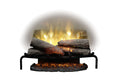
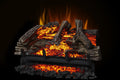
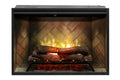
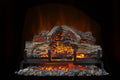
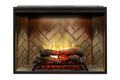
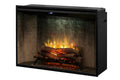
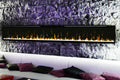
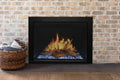
That said, the most realistic flame LED-based electric fireplaces available today are genuinely impressive. Multi-layer 3D flame systems, hand-painted log sets, and glowing ember beds produce an effect that regularly fools guests, as the customer testimonials above confirm. If what you want is a traditional hearth look - logs, embers, a warm glow - a premium electric fireplace often delivers that more convincingly than a water vapor unit, which typically shows an open floating flame rather than a log fire.
Realism depends partly on what kind of fire you want it to look like.
Can You Touch the Flame, and Does It Produce Mist You Can Feel?
This is where water vapor fireplaces separate themselves from every other fireplace category. The flames in a water vapor fireplace are cool to the touch - you can put your hand directly through them without any sensation of heat or danger. That is not a marketing claim; it is the physical reality of illuminated water mist. There is no combustion, no heated glass, and no hot surface on the flame itself.
The mist is also real in a tactile sense. In a typical room, you will not feel a noticeable humidity change from normal operation, but if you hold your hand close to the flame opening, you can feel the fine moisture on your skin. In very dry climates or rooms with low humidity, some owners notice a slight improvement in ambient comfort. It is not a humidifier, but the mist is genuinely physical - not just a visual effect.
Standard electric fireplaces produce no mist at all. The flame is entirely optical. The glass front may become slightly warm during operation when the heater is running, but the flame itself generates no physical byproduct you can feel.
For households with children or pets, the cool-touch nature of a water vapor flame is a meaningful safety advantage. The same logic applies to electric fireplace for bedroom or apartment installations where proximity to the flame is more likely.
What Does Maintenance Actually Look Like for Each Type?
This is where the ownership experience diverges most sharply, and it is the part most comparison articles gloss over.
A standard electric fireplace has very few moving parts. The LED system is sealed, the mirrors or screens require no user maintenance, and most owners operate their unit for years without doing anything beyond occasional dusting of the exterior. It is genuinely low-maintenance - install it, plug it in, and use it.
A water vapor fireplace requires more consistent attention. Because it uses water, the internal components - the transducer, the water reservoir, and the light path - need to be cleaned regularly to prevent mineral buildup, residue, and biological growth. The exact schedule depends on the manufacturer, the model, how frequently the unit runs, and the mineral content of your water. Most manufacturers specify using distilled or demineralized water to slow mineral accumulation.
There is also a usage pattern consideration that matters practically: water vapor fireplaces should not sit unused for extended periods with water left inside the system. If the unit goes weeks or months without running, the standing water can develop odors or residue. For vacation homes or seasonal properties, the system should be drained and properly prepared before an extended absence.
If you want a fireplace you can essentially forget about between uses, a standard electric fireplace is the more practical choice. If you are willing to follow a maintenance routine in exchange for the visual impact, a water vapor unit can reward that commitment.
How Do the Costs Compare Between the Two Types?
Water vapor fireplaces typically cost significantly more than standard electric models at comparable sizes. The price difference reflects the ultrasonic technology, the precision engineering required to produce a consistent mist effect, and the fact that established manufacturers producing high-quality water vapor fireplaces for the North American market are predominantly European companies - a category worth considering if design and realism are the primary drivers.
Beyond the purchase price, water vapor fireplaces may carry higher long-term maintenance costs depending on how the system is serviced and whether replacement components are needed. Standard electric fireplaces have a lower total cost of ownership for most homeowners because their simpler mechanics mean fewer service requirements over time.
The right question is whether the visual and design advantages of a water vapor fireplace justify the additional investment for your specific project. For a high-end architectural feature in a custom home or a dramatic focal point in a luxury renovation, many buyers find that they do. For a bedroom, a rental property, or a space where low-maintenance operation is the priority, a premium standard electric fireplace often delivers the better overall value.
For projects involving an existing opening, understanding water vapor fireplace installation requirements versus a standard electric insert is worth reviewing before making a final decision.
Which Type Is Right for Your Project?
The answer comes down to four practical questions: What kind of flame do you want it to look like? How much maintenance are you willing to do? What is the installation environment? And what is your budget?
Water vapor fireplaces are best suited for open architectural designs, see-through applications, and spaces where visual drama is the primary goal - and where the owner is committed to regular maintenance and proper use. Standard electric fireplaces, particularly Most Real Luxury Fireplaces with multi-layer 3D flame systems, are better suited for traditional hearth aesthetics, low-maintenance operation, retrofit installations, and projects where simplicity and reliability matter as much as realism.
At Electric Fireplaces Depot we pair every electric fireplace with the honest, expert guidance professionals and homeowners need to choose and install it with confidence. The conversation we have with every buyer starts the same way: tell us about the project - new build or retrofit, the intended use, the installation environment, and who is making the final decision. Based on your setup, the right answer usually becomes clear quickly.
If you are working through this decision and want a direct recommendation, call or text 800-309-2144, email sales@electricfireplacesdepot.com, or browse the full range at https://electricfireplacesdepot.com. The goal is to make sure you choose the right fireplace for your space - not just the most impressive one on a screen.
Checklist
- Identify what kind of flame you want. A floating, open flame with depth and dimension points toward a water vapor unit. A traditional log-and-ember hearth look is often better served by a premium LED-based electric fireplace.
- Assess your maintenance commitment honestly. Water vapor fireplaces require regular cleaning, water management, and periodic draining. If low-maintenance installation is a priority, a standard electric fireplace is the more practical choice.
- Evaluate your installation environment before choosing a water vapor unit. Strong drafts, ceiling fans, nearby HVAC vents, and open-plan layouts with cross-airflow can affect the mist effect. Confirm the space is suitable before purchasing.
- Factor in total cost of ownership, not just purchase price. Water vapor fireplaces typically cost significantly more upfront and may carry ongoing maintenance costs that standard electric models do not.
- If you are converting an existing fireplace opening, confirm whether the unit you are considering is designed for retrofit installs or requires a purpose-built enclosure - the two have very different installation requirements.
- Ask a specialist before you buy. Both types look impressive online. A knowledgeable dealer can tell you which one is actually appropriate for your project, installation type, and intended use before you commit.
FAQ
Which type of fireplace flame looks more realistic - water vapor or standard electric? Water vapor fireplaces generally produce a more three-dimensional flame effect because the mist physically exists in space and responds to subtle air movement, giving it natural depth and behavior. Premium LED-based electric fireplaces with multi-layer 3D flame systems can be extremely convincing, particularly for a traditional log-fire look, but the flame lives on a flat optical plane rather than in open space. Which looks "more realistic" also depends on the style of fire you want - a floating open flame versus a hearth with logs and embers.
Can you actually touch the flame in a water vapor fireplace? Yes. Water vapor fireplace flames are cool to the touch - you can put your hand directly through them without any heat or danger. The flame is illuminated water mist, not combustion, so there is no hot surface, no heated glass near the flame opening, and no burn risk from the flame itself. This makes water vapor fireplaces a meaningful safety consideration for households with children or pets.
Does a water vapor fireplace need a water reservoir, and how often do you refill it? Yes, water vapor fireplaces require a water reservoir that must be refilled periodically. The refill frequency depends on the model, the size of the reservoir, and how often the unit runs. Most manufacturers recommend using distilled or demineralized water to reduce mineral buildup inside the system. The reservoir also needs to be drained if the unit will sit unused for an extended period - particularly important for vacation homes or seasonal properties.
Who should consider a water vapor fireplace over a standard electric model? Water vapor fireplaces are best suited for homeowners and designers who want a dramatic architectural feature - particularly in open-concept, see-through, or island configurations - and who are prepared for regular maintenance and consistent use. They are not the right fit for every project. Buyers who want a low-maintenance fireplace for everyday use, a retrofit into an existing opening, or a traditional hearth aesthetic are usually better served by a premium standard electric fireplace.
Which type is harder to maintain over time - water vapor or standard electric? Standard electric fireplaces require minimal maintenance. The LED and mirror systems are sealed and rarely need attention beyond exterior cleaning. Water vapor fireplaces require more consistent care: regular cleaning of the transducer and water path, water quality management, and periodic draining before extended periods of non-use. The maintenance gap between the two types is significant and should be factored into the buying decision.
What is the difference in how water vapor and electric fireplaces create their flame effects right now in 2026? In 2026, the two technologies remain fundamentally distinct. Standard electric fireplaces use LED lights aimed at spinning mirrors or layered refraction screens to create a two-dimensional flame simulation. Water vapor fireplaces use ultrasonic transducers to break water into fine mist, then illuminate that mist with LEDs to create a physical, three-dimensional flame effect. Both categories have advanced considerably - premium electric models now feature multi-layer 3D systems that are highly convincing, while water vapor technology has become more refined and widely available through established manufacturers, predominantly European brands with North American distribution.
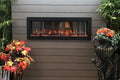
Where does a water vapor fireplace work best inside a home? Water vapor fireplaces perform best in indoor spaces with controlled, stable conditions - away from strong drafts, ceiling fans, air conditioning vents, and open doors that create cross-airflow. They work especially well in purpose-built architectural niches, double-sided see-through installations, and open-concept feature walls where the three-dimensional flame effect can be appreciated from multiple angles. They are generally not recommended for outdoor installations, where wind and uncontrolled airflow disrupt the mist effect.
Add Electric Fireplaces Depot as a preferred source on Google