1-800-309-2144

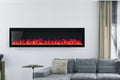
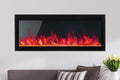
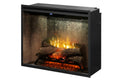
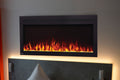
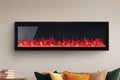
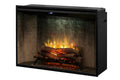
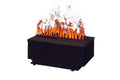
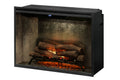
Water Vapor Fireplace units and standard electric fireplaces have fundamentally different installation requirements. A standard electric fireplace integrates directly into most wall assemblies with no special enclosure preparation, no venting, and no gas line. A water vapor unit delivers the most realistic flame effect available without combustion, but the enclosure environment is responsible for roughly half of its long-term performance - and getting that wrong is the most common reason installs fail.
For trade professionals specifying either product, knowing the difference before rough-in begins eliminates the majority of post-install service calls.
What Does a Standard Electric Fireplace Actually Require to Install?
Standard electric fireplaces require no venting, no gas line, and minimal framing considerations. That simplicity is the reason electric fireplace venting questions come up so often - most trade professionals are used to fireplace installs that carry significant infrastructure requirements, and electric units genuinely do not.
The basic requirements for a standard electric unit are:
- A correctly sized rough opening or wall cavity matching the unit's specified dimensions
- A dedicated electrical circuit, typically 120V for most residential units
- Clearance to combustibles as specified by the manufacturer
- A clean, dry installation environment
Because electric units generate no combustion byproducts, there is no chimney, no flue, and no gas piping to coordinate across trades. For drop-in electric fireplace installation in an existing wall opening, the primary variable is matching the rough opening to the unit's specified dimensions. Most units are designed to integrate cleanly into standard framing, which shortens install time and reduces coordination complexity on the job site.
The result is a low-maintenance installation that scales predictably across multiple units or projects and carries minimal post-install service requirements.
What Makes Water Vapor Fireplace Installation More Demanding?
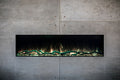
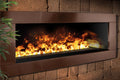
Water vapor fireplaces require a sealed enclosure with controlled airflow and protection from dust and cross drafts. That is the core difference from a standard electric unit, and it is not a minor detail - the enclosure environment directly determines whether the flame effect performs as specified and whether the unit holds up over time.
The three most repeated installation mistakes seen in the field are:
- Dust exposure - Construction dust entering the firebox cavity contaminates the ultrasonic misting components that generate the vapor effect. Units installed before a space is fully cleaned and sealed are the most common source of early performance issues.
- Poor enclosure sealing - An enclosure that is not properly sealed allows ambient air movement to disrupt the vapor column, causing the flame effect to appear inconsistent or washed out.
- Cross draft interference - HVAC registers, ceiling fans, or supply vents positioned to push air across the firebox opening break the vapor pattern and make the flame appear flat or directional rather than natural.
The product is only 50% of success - the install environment is the other 50%. A water vapor unit installed in a poorly prepared enclosure will underperform regardless of the unit's quality, and the resulting service calls are almost always traced back to enclosure conditions rather than the unit itself.
The enclosure itself must be built to the manufacturer's specified dimensions with tight tolerances. Unlike a standard electric fireplace where a slightly oversized rough opening can be managed with trim, a water vapor enclosure that is too large or too open to adjacent airflow paths will compromise the visual effect. Specifying the correct unit for the enclosure type and construction stage eliminates the majority of these issues before they reach the installation phase.
For projects where the most realistic flame effect is a hard client requirement, water vapor units are the right answer - but the install process requires upfront coordination that a standard electric unit does not.
How Do the Two Installation Paths Compare Side by Side?
The table below captures the practical differences trade professionals encounter when specifying each product type.
| Requirement | Standard Electric Fireplace | Water Vapor Fireplace |
|---|---|---|
| Venting | None required | None required |
| Gas line | Not needed | Not needed |
| Enclosure sealing | Standard framing tolerances | Sealed enclosure, tight tolerances |
| Airflow control | Not applicable | Required - cross drafts and dust must be controlled |
| Dust protection during construction | Standard site cleanliness | Critical - ultrasonic components are sensitive |
| HVAC coordination | Minimal | Required - register and vent placement matters |
| Electrical | Standard circuit | Standard circuit plus water reservoir access |
| Timing in construction sequence | Flexible | Best installed after finish work is complete |
| Post-install service risk | Low | Moderate if enclosure prep is skipped |
The key takeaway: both product types avoid the infrastructure complexity of gas - no venting, no combustion, no gas line. The difference is entirely in how much the enclosure environment affects performance. For standard electric units, the enclosure is mostly a framing and clearance question. For water vapor units, the enclosure is an active part of the system.
What Stage of Construction Should Each Unit Be Installed?
Standard electric fireplaces can typically be installed at multiple points in the construction sequence. The unit itself is inserted into the framed opening once the wall assembly is complete, and the electrical connection is made during finish work. This flexibility makes electric units straightforward to coordinate on new construction timelines and retrofit projects alike.
Water vapor fireplaces perform best when installed after finish work is complete and the space has been thoroughly cleaned. Installing a water vapor unit into a construction environment - before dust has been controlled and HVAC systems are balanced - is one of the most preventable causes of early performance issues. The ultrasonic components that generate the vapor effect are sensitive to particulate contamination, and a single phase of heavy construction activity in an unsealed space can introduce enough dust to affect performance.
For water vapor fireplace enclosure preparation, the enclosure should be framed and sealed before the unit is placed, with all adjacent HVAC work finalized so register and vent positions are confirmed. Coordinating this sequence with the general contractor during the planning phase - rather than at install time - is what separates a clean install from a callback.
Electric Fireplaces Depot guides trade professionals through water vapor enclosure preparation step by step to prevent the most common install failures before they happen. If you are in the planning stage now, the right time to work through enclosure specs is before framing is locked, not after the unit arrives on site.
Which Unit Is Right for Your Project?
The decision between a standard electric fireplace and a water vapor unit comes down to two variables: the client's visual expectations and the project's ability to support the enclosure requirements.
For projects where the fireplace is a supplemental heat source or a clean architectural feature - and where the construction timeline requires installation flexibility - a standard electric unit is the lower-risk, lower-maintenance specification. No venting, no gas, no enclosure complexity. Electric units are ideal for projects requiring simplicity, reliability, and zero venting, and they integrate cleanly into most wall assemblies.
For projects where the client's visual expectation is a flame that reads as genuinely real - where the fireplace is the focal point of a luxury interior and the visual effect is non-negotiable - a water vapor unit is the right specification. The install environment must support it, and the construction sequence must be planned around it, but the result is the most realistic flame effect available without combustion.
The worst outcome is specifying a water vapor unit for a project where the enclosure cannot be properly prepared, or specifying a standard electric unit for a client whose visual expectations require something more. Getting that match right at the specification stage is what this decision is actually about.
For trade professionals working through that decision now, the Electric Fireplaces Depot trade professionals resource guide covers both product categories with installation guidance, enclosure requirements, and product selection support for new builds and retrofits.
If you have project details ready, call or text 800-309-2144 or email pro@electricfireplacesdepot.com. Bring the project stage, the enclosure situation, and the client's visual expectations - that is all that is needed to spec this correctly and avoid the issues that show up after install.
Checklist
- Confirm the construction stage before specifying a water vapor unit - ultrasonic components are sensitive to construction dust; the unit should be installed after finish work and final cleaning.
- Verify HVAC register and vent placement before the water vapor enclosure is framed - cross drafts from supply vents are the most common cause of inconsistent flame performance.
- Match the rough opening dimensions to the manufacturer's spec sheet - for standard electric fireplaces, standard framing tolerances apply; for water vapor units, the enclosure dimensions are a performance variable, not just a fit question.
- Confirm the electrical circuit type and location during rough-in - both product types require no gas line, but the circuit location affects installation sequencing, especially for built-in applications.
- For trade professionals specifying water vapor units across multiple units or projects, coordinate enclosure sealing and HVAC positioning in the planning phase to prevent callbacks at scale.
- Call out the intended use - visual feature or supplemental heat - before finalizing the product category; this single question shapes every subsequent specification decision.
FAQ
Who is responsible for enclosure preparation on a water vapor fireplace install - the GC, the electrician, or the fireplace installer? Enclosure preparation for a water vapor unit is a general contractor coordination item, not an electrician's scope. The GC needs to ensure the enclosure is framed to spec, sealed, and protected from construction dust before the unit is installed. The electrician handles the circuit. The fireplace installer connects the unit. When these scopes are not coordinated in advance, the most common result is a unit installed into an unsealed enclosure - which is the leading cause of post-install performance issues.
Which type of fireplace is easier to install in a retrofit project? A standard electric fireplace is significantly easier to retrofit. It requires only a correctly sized wall opening and a nearby electrical circuit - no venting, no gas line, and no special enclosure preparation. A water vapor unit can be retrofitted, but the existing enclosure must be evaluated for sealing, dust control, and HVAC proximity before the unit is specified. For most retrofit timelines, the enclosure work required for a water vapor unit adds coordination complexity that a standard electric unit avoids entirely.
Does a water vapor fireplace require any special electrical work compared to a standard electric unit? Both product types typically operate on a standard 120V circuit, so the electrical requirements are similar. The key difference is that water vapor units also require access to a water reservoir that must be refilled periodically - the location of that access point should be factored into the enclosure design during the planning phase. Neither type requires a gas line or any combustion-related infrastructure.
What happens if a water vapor fireplace is installed in an enclosure with cross drafts? Cross drafts from HVAC registers, ceiling fans, or supply vents positioned to push air across the firebox opening will disrupt the vapor column that creates the flame effect. The flame will appear flat, directional, or inconsistent rather than natural and full. This is one of the three most repeated installation mistakes seen in the field. The fix requires repositioning the airflow source - which, if the HVAC system is already commissioned, can be costly and disruptive. Confirming register placement before the enclosure is framed is the correct prevention step.
How does the cost of installing a water vapor fireplace compare to a standard electric unit? The unit cost of a water vapor fireplace is generally higher than a standard electric unit, reflecting the technology involved. Installation cost is also higher because of the enclosure preparation requirements - sealed framing, HVAC coordination, and construction sequencing all add labor and planning time that a standard electric install does not require. The total cost difference depends on the complexity of the enclosure, the construction stage, and whether HVAC adjustments are needed. The best way to estimate the difference for a specific project is to have the enclosure conditions reviewed before specifying the product.
Which fireplace type is better for a luxury high-end interior where the flame effect is the focal point? For a project where the flame is the primary visual feature and the client's expectation is a genuinely realistic fire, a water vapor fireplace is the correct specification. It delivers the most realistic flame effect available without combustion. The install environment must support it - sealed enclosure, controlled airflow, post-finish installation timing - but when those conditions are met, the visual result is in a different category from a standard electric unit. For premium electric fireplaces for luxury custom builds, the specification decision should be driven by the client's visual expectations first, then matched to the enclosure the project can realistically support.
Where does enclosure preparation most often go wrong on water vapor installs? The most common failure points are dust contamination during construction, an enclosure that is not fully sealed before the unit is placed, and HVAC supply vents positioned to push air across the firebox opening. All three are preventable with upfront coordination. The pattern seen repeatedly in the field is that enclosure preparation is treated as a minor detail rather than a system-critical step - and the resulting performance issues are then attributed to the unit rather than the install environment.