1-800-309-2144
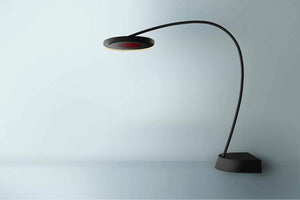

Electric Fireplaces are low-maintenance by design, but "low-maintenance" does not mean "no maintenance." A few simple habits - cleaning the glass, clearing the intake vents, and checking the remote battery - are all most units ever need. Do those consistently and a quality unit will perform reliably for years. Skip them, and you will eventually deal with overheating shutoffs, dim flame effects, or a heater that cycles on and off unexpectedly.
This guide covers what to actually do, how often, and what warning signs are worth paying attention to.
What Regular Cleaning Does an Electric Fireplace Actually Need?
The most important maintenance task is also the simplest: keep the vents clear and the glass clean.
Electric fireplaces draw room air across an internal heating element and push it back out. Dust accumulates on the intake grilles over time, restricts that airflow, and causes the unit's thermal protection to trip - which is why your heater might shut off mid-use even though nothing appears broken. According to the Freestanding Electric Fireplace Care & Maintenance Instructions (2025), you should always unplug the unit and allow it to cool completely before cleaning. From there, a soft brush attachment on a vacuum handles the grilles in under two minutes.
The glass panel deserves separate attention. Fingerprints and dust scatter the light from the flame projection system, which makes the effect look flat and less convincing. A damp, lint-free cloth is sufficient for most glass surfaces - avoid abrasive cleaners, which scratch the panel and permanently degrade the visual quality.
For the internal flame mechanism itself, a can of compressed air directed into the chamber (unit unplugged, cooled) clears any dust that has settled on the LED array or mirror components. Do this once or twice a year and the flame effect stays sharp.
Cleaning frequency at a glance:
| Task | Frequency |
|---|---|
| Wipe exterior and glass | Monthly or as needed |
| Vacuum intake/exhaust grilles | Every 2 - 3 months |
| Compressed air on internal components | Once or twice per year |
| Check remote battery and wall plug | Annually |
The single biggest maintenance mistake is waiting until something fails before cleaning. By then, dust buildup has already stressed the heating element or dimmed the flame system.
What Are the Most Common Problems and How Do You Fix Them?
Most issues that owners report - heater cutting out, flame flickering inconsistently, remote not responding - trace back to one of three causes: dust buildup, a loose power connection, or a setting the owner did not realize had been changed.
Heater shuts off on its own. This is almost always the thermal overheat protection doing its job. The fix is to clean the intake grilles, move any furniture or curtains that are blocking airflow around the unit, and let it cool for 15 - 20 minutes before restarting. If the problem persists after cleaning, check that the unit is not sitting in a recessed enclosure that traps heat - built-in installations need the clearances specified in the manufacturer's installation guidelines.
Flame effect looks dim or uneven. Dust on the internal LED components or mirror panels is the most common cause. Compressed air on a cooled, unplugged unit usually resolves it. If the unit uses an LCD or holographic flame system, a single dirty panel can make the whole effect look off.
Remote stops working. Replace the battery first. If the unit still does not respond, confirm the remote is within range and that no other IR device is interfering. Most remotes need line-of-sight to the receiver panel.
No heat but flame works fine. The heater and flame display are separate circuits on most units. Check that the heat setting is actually enabled - many owners accidentally leave the unit in "flame-only" mode. If the setting is correct and the heater still will not run, the thermal fuse may have tripped; consult the manufacturer's support before opening the unit.
One customer who purchased a built-in unit shared this honestly: "It looks great and works exactly as expected but installation is a real pain and some of the components are very cheap (remote control, clips that cover the glass retention screws). The installation instructions are lacking and not clear." That kind of friction at setup is real, and it is worth reading the full installation guide before you begin rather than discovering the ambiguities mid-project.
How Do You Get the Most Visual Performance Out of Your Electric Fireplace Right Now?
Flame technology in electric fireplaces has changed substantially in the past decade. What was considered a top-tier realistic flame ten years ago is mid-range by today's standards - the industry has moved from basic LED reflection through to multi-layer LCD systems, holographic displays, and Water Vapor Fireplace technology that produces a three-dimensional flame effect you can physically pass your hand through.
If you own a current-generation unit, you may be leaving visual performance on the table simply by not using all the settings. Most premium units allow independent control of flame color, brightness, ember bed glow, and flame height. Adjusting these to match the ambient light in the room - warmer and lower in a lamp-lit evening setting, brighter during daytime - makes a significant difference in how realistic the effect appears.
Room positioning also matters. Placing the unit against a wall with no competing light source behind it, and avoiding direct sunlight across the glass panel, preserves the contrast that makes the flame look dimensional. One customer described her insert this way: "It looks so beautiful, and I get tons of compliments on it. It's just gorgeous and photos don't really do it justice." That result comes from a combination of product quality and thoughtful placement.
For owners considering an upgrade, converting wood burning fireplace to electric is now a straightforward process, and the Most Real Luxury Fireplaces available today are genuinely comparable to the visual quality of a real flame - without the combustion, the ash, or the venting.
Does Maintenance Cost Anything, and What Affects Long-Term Operating Costs?
For the vast majority of owners, annual maintenance costs nothing beyond a few minutes of time. There are no filters to replace, no flues to sweep, and no combustion byproducts to manage. That predictable operating cost is one of the genuine practical advantages of electric over wood or gas.
The components most likely to need eventual replacement are the remote control battery and, on older units, the LED or bulb assembly inside the flame chamber. On modern units with sealed LED systems, the flame components are rated for tens of thousands of hours of use and rarely need attention within the normal ownership period.
Where costs do arise is in the rare case of a component failure outside the warranty period. This is where buying from a source with direct manufacturer relationships matters. Electric Fireplaces Depot works directly with manufacturers for factory-direct warranty support - which means that when a part question comes up after the sale, there is a real support path rather than a generic customer service queue.
Switching from wood or gas to electric has never been simpler - no venting, no gas line, and no compromise on a realistic flame. We have done thousands of them. That simplicity extends to the ongoing ownership experience: no annual chimney inspection, no gas line service, no ash removal.
For owners who want to understand what installation requirements look like before a unit arrives, the article on electric fireplace wall enclosure requirements covers the enclosure prep questions that affect both performance and long-term reliability.
What Is the Short Version on Long-Term Ownership?
An electric fireplace that is cleaned regularly, given adequate clearance, and operated within its designed settings will perform reliably for a long time. The maintenance burden is genuinely low - lower than almost any other appliance in your home. The owners who get the most from their units are the ones who take ten minutes at installation to read the clearance requirements, keep the vents clear, and use the full range of flame settings the unit offers.
If you have a specific question about your unit - whether it is a troubleshooting issue, a question about settings, or you are thinking about upgrading to a newer flame technology - the team at Electric Fireplaces Depot is available by phone or text at 800-309-2144, by email at sales@electricfireplacesdepot.com, or through the full product selection at https://electricfireplacesdepot.com.
Checklist
- Unplug and let the unit cool completely before any cleaning - this is the non-negotiable first step every time.
- Vacuum intake and exhaust grilles every two to three months to prevent the thermal protection from tripping during heater use.
- Use compressed air on internal LED or mirror components once or twice a year to keep the flame effect sharp and bright.
- Check that your built-in electric fireplace installation meets the manufacturer's clearance specifications - restricted enclosures cause more long-term problems than any other single factor.
- Review the flame brightness, color, and ember settings on your unit; most homeowners never adjust them past the factory default and miss significant visual performance.
- Keep the original installation guide - warranty claims and manufacturer support almost always require model and serial numbers that are documented there.
FAQ
Who should I call if my electric fireplace stops heating but the flame still works? The heater and flame display run on separate circuits in most units, so a working flame with no heat usually points to either the heat mode being switched off or a tripped thermal fuse. Start by confirming the heat setting is enabled. If it is and the heater still will not run, contact the manufacturer's support line or reach out to Electric Fireplaces Depot directly - buying from a source with direct manufacturer relationships means there is a real support path after the sale.
Which parts of an electric fireplace are most likely to wear out over time? Remote control batteries are the most common minor replacement. On older units, the bulb or LED assembly inside the flame chamber may eventually dim, though modern sealed LED systems are rated for tens of thousands of hours. The heating element itself rarely fails when the unit is kept clean and operated within its clearance requirements.
How often does an electric fireplace actually need professional servicing? For most homeowners, never. There are no combustion byproducts, no flue, and no gas line - the maintenance tasks are cleaning and occasional battery replacement, both of which are owner-level tasks. Professional service is only warranted if an internal component fails and the unit is outside warranty.
What causes an electric fireplace to overheat and shut off on its own? Dust-blocked intake grilles are the most common cause, followed by furniture or curtains placed too close to the unit. The thermal overheat protection trips to prevent damage, which is the right outcome - but it signals that airflow around the unit needs attention. Clean the grilles, clear the surrounding space, and allow 15 - 20 minutes of cool-down before restarting.
Which flame technology in current electric fireplaces looks the most realistic right now? As of 2026, Water Vapor Fireplace technology produces the most realistic effect available - a three-dimensional flame that uses ultrasonic mist rather than combustion, which you can physically pass your hand through. Multi-layer LCD and holographic systems are also significantly more convincing than LED-only units from a few years ago. The gap between what was considered premium a decade ago and what is available today is substantial.
Add Electric Fireplaces Depot as a preferred source on Google