1-800-309-2144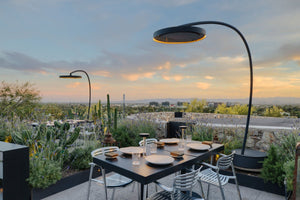
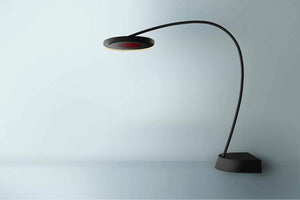
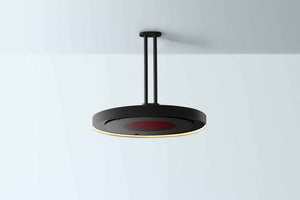
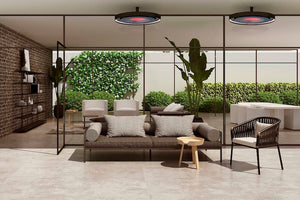
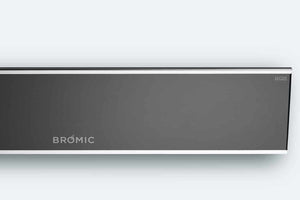
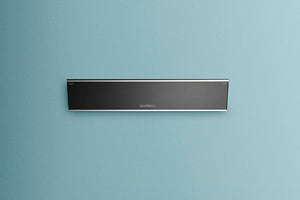
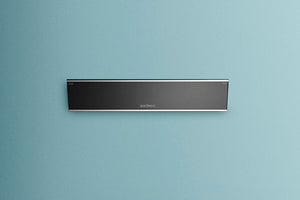
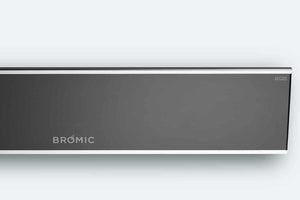
The best outdoor electric heater for a covered patio is a hardwired infrared or quartz electric heater rated between 1,500 and 6,000 watts, matched to your patio's square footage and ceiling height. The right unit depends on how enclosed your space is, how cold your climate gets, and whether you need spot heating or full-coverage warmth. Get those three variables right, and you'll have a patio you can actually use in cool weather.
Most people shopping for a patio heater focus on the wrong thing first - they compare wattage numbers or aesthetics before considering the space itself. That's what leads to an underpowered unit that barely takes the edge off, or an oversized heater that cycles on and off without ever making the space comfortable.
How Do You Figure Out What Size Heater You Actually Need?
Start with your patio's level of enclosure, because that determines how much heat escapes before it reaches the people sitting there.
According to MAD Europe, a covered patio or enclosed pergola with a solid roof and walls or screens on two or more sides typically requires around 100 to 150 watts per square meter. A fully open patio with only a roof overhead loses heat much faster and demands more.
Here's a practical way to think about it:
| Patio Type | Enclosure Level | Wattage Demand |
|---|---|---|
| Covered + screened walls | High | Lower end (~100 W/m²) |
| Covered + open sides | Moderate | Mid-range (~125 W/m²) |
| Open roof, no walls | Low | Higher end (150+ W/m²) |
A screened-in porch needs meaningfully less heater output than a flat open deck with only a pergola overhead, even if both measure the same square footage.
Ceiling height matters too. A 10-foot ceiling holds radiant heat closer to the people below it. A vaulted or cathedral patio ceiling at 14 feet sends much of that warmth straight up.
What Types of Outdoor Electric Heaters Work Best for a Covered Patio?
Electric patio heaters on the market range from 1,500 watts to 6,000 watts each. Within that range, two technologies dominate: infrared and quartz.
Infrared heaters emit radiant heat that warms objects and people directly, rather than heating the air around them. On a windy or semi-open patio, this matters enormously - radiant heat doesn't blow away the way convective heat does. These are the right choice for most covered patios.
Quartz tube heaters operate on the same radiant principle but use a quartz element that heats up quickly and glows visibly. They're well-suited for patios where a visible glow adds to the ambiance, not just the warmth.
Wall-mounted vs. ceiling-mounted is the other practical decision. Ceiling-mounted units distribute heat more evenly across a larger area. Wall-mounted units concentrate heat in a specific zone - useful for a seating area or dining table, less useful for a long open patio.
For a covered patio specifically, ceiling-mounted infrared units in the 2,000 to 4,000 watt range cover most residential applications well. A 1,500 to 2,000 watt electric heater is effective for moderate outdoor use, making it a reasonable baseline for a small to mid-size covered space.
How Does an Outdoor Electric Heater Compare to a Gas Patio Heater?
This is the question most homeowners ask eventually, and the answer has shifted considerably in recent years.
Gas patio heaters - the tall freestanding propane towers - have been the default for outdoor heating for decades. They produce a lot of heat quickly, and they work without any electrical infrastructure. But they come with real trade-offs: propane tanks to manage, open flame on a covered patio (which raises safety questions), and ongoing fuel costs that are harder to predict than electricity.
Electric patio heaters, by contrast, require no gas line, no propane, and no combustion. On a covered patio where an open flame near wooden beams or a fabric pergola roof is a concern, electric is the safer category. There's no carbon monoxide risk, no pilot light to relight, and no fuel to run out of mid-dinner.
You know exactly what the unit draws and can calculate the cost per hour against your local electricity rate.
For anyone already exploring Electric Fireplaces for their indoor spaces, extending that same electric approach to the patio creates a consistent, low-maintenance outdoor setup with no venting required and no gas line needed.
What Should You Look for When Buying a Patio Heater Online in 2026?
The outdoor electric heater market has expanded significantly, and that means more options - and more noise. The same principles that apply to evaluating any major home product apply here.
Look for a manufacturer with a verifiable physical presence, a real customer service phone number you can actually reach, and documented warranty terms. A professional-looking product listing doesn't guarantee there's a reliable company behind it.
When trade professionals who have completed many projects using our products ask us how to evaluate brands, the guidance is consistent: call the support number before you buy. If no one answers, or if the number connects to a recording that redirects you to email, that tells you everything you need to know about the service you'll receive when something goes wrong.
For patio heaters specifically, also check:
- IP (ingress protection) rating - outdoor units should be rated for moisture exposure
- Mounting hardware quality - ceiling-mounted units need robust brackets
- Thermostat and timer controls - remote or smart controls matter for a space you use from a distance
- Whether the unit is rated for covered outdoor use versus fully exposed outdoor use - these are different certifications
At Electric Fireplaces Depot we pair every electric fireplace with the honest, expert guidance professionals and homeowners need to choose and install it with confidence. That same standard applies to our patio heater category - matching the unit to the actual space, not just selling the highest-wattage option.
Which Patio Setup Benefits Most from an Electric Heater?
The covered patio is genuinely the ideal application for electric outdoor heating. Unlike a fully open deck where wind carries heat away almost as fast as it's produced, a covered space with at least partial walls traps radiant heat long enough to make a meaningful difference in comfort.
Screened-in porches, covered pergolas with two or more enclosed sides, and four-season sunrooms all sit in the range where electric heating performs best. The more enclosed the space, the more efficiently a properly sized electric heater works - and the more you can lean toward the lower end of the wattage range rather than maxing out.
For homeowners who've already explored outdoor electric fireplace covered patio options, a ceiling-mounted infrared heater pairs naturally with a wall-mounted electric fireplace to create a patio that functions as a genuine outdoor living room - visual ambiance from the fireplace, practical warmth from the heater overhead.
The patio heater collection at Electric Fireplaces Depot covers the full range of residential applications, from compact 1,500-watt units for a small covered seating area to higher-output commercial-grade units for larger spaces.
Checklist
- Measure your covered patio's square footage and ceiling height before comparing heater models - those two numbers determine your wattage target.
- Check your patio's enclosure level: solid roof plus screened or partial walls allows a lower wattage than an open-sided structure.
- Confirm the heater's IP rating is appropriate for covered outdoor use, especially in climates with humidity or seasonal rain.
- For homeowners buying an outdoor electric heater online, call the manufacturer's support number before purchasing to verify real, reachable customer service.
- If you're adding both a heater and an electric fireplace to your covered patio, spec both together so the combined output matches the space without over-heating one zone.
- Compare total operating cost - wattage draw times your local electricity rate - rather than comparing purchase price alone.
FAQ
Which type of outdoor electric heater works best under a covered patio roof? Ceiling-mounted infrared heaters are the strongest choice for a covered patio because they deliver radiant heat directly to people and surfaces rather than heating the air, which means wind and open sides don't strip the warmth away. For most residential covered patios, a unit in the 2,000 to 4,000 watt range covers the space effectively. The more enclosed your patio, the lower in that range you can reasonably go.
How much does it cost to run an outdoor electric patio heater? Running cost depends on the unit's wattage and your local electricity rate - there's no single figure that applies everywhere. A 2,000-watt heater draws kilowatt-hours in proportion to how long it runs; multiply that by your utility's per-kWh rate to get the session cost. Electric heating offers a predictable operating cost advantage over propane because you're calculating against a fixed electricity rate rather than fluctuating fuel prices.
Who should consider a higher-wattage unit versus a standard 1,500-watt heater? A standard 1,500 to 2,000 watt heater, which is effective for moderate outdoor use, suits a small covered seating area with good enclosure. Homeowners with larger patios, high ceilings, or patios that are open on multiple sides should look at 3,000 to 6,000 watt units or plan for multiple heaters positioned to cover different zones rather than relying on a single underpowered unit.
What's the difference between an outdoor electric heater and an outdoor electric fireplace for a covered patio? An outdoor electric heater is primarily a heating appliance - its job is thermal comfort. An outdoor electric fireplace is primarily an ambiance feature, though many models include supplemental heat. For a covered patio that needs reliable warmth in cold weather, a dedicated electric heater is the right primary tool. An electric fireplace adds the visual focal point. Many homeowners use both together to create a fully functional outdoor living space.
Where should a ceiling-mounted electric patio heater be positioned for best coverage? Position a ceiling-mounted unit directly above the primary seating or dining area, centered over the space where people will actually spend time. For a long rectangular patio, two smaller units spaced evenly along the ceiling typically outperform one large unit mounted at one end. Avoid mounting too close to the ceiling surface itself - most manufacturers specify a minimum clearance distance in their installation guidelines, and following that spec protects both performance and safety.
When you're ready to choose, the team at Electric Fireplaces Depot can help you match the right unit to your specific patio setup. Call or text 800-309-2144, email sales@electricfireplacesdepot.com, or browse the full outdoor heater selection at https://electricfireplacesdepot.com.
Add Electric Fireplaces Depot as a preferred source on Google