1-800-309-2144

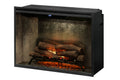
Converting a wood burning fireplace to electric is one of the most straightforward fireplace upgrades a trade professional can execute - provided the enclosure is prepared correctly, the electrical is confirmed before the unit ships, and the right insert or firebox format is selected for the opening dimensions. The result is a cleaner installation with no venting, no combustion, and no ongoing maintenance burden for the homeowner. What creates problems in the field is almost never the unit itself. It is enclosure prep, sizing errors, and electrical gaps that surface after delivery.
What Does a Wood-to-Electric Conversion Actually Involve?
Converting a wood burning fireplace to electric means replacing the combustion firebox - and in most cases the entire functional interior - with a self-contained electric fireplace unit that requires only a power source to operate.
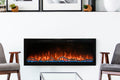
There is no gas line to run, no venting to maintain, and no chimney to inspect or decommission for ongoing use. The existing masonry or prefab surround typically stays in place. The firebox opening becomes the rough opening the new unit slides into or mounts within, depending on the format selected.
Three formats work for conversion projects:
| Format | Best Fit | Key Consideration |
|---|---|---|
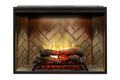
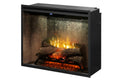
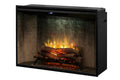
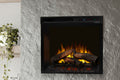
| Firebox Inserts | Existing masonry or prefab openings | Must match opening dimensions precisely |
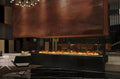
| Built In Category | Framed enclosures built inside the existing cavity | Requires accurate rough-in dimensions from manufacturer |
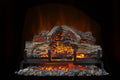
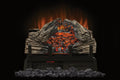
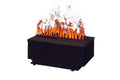
| Log sets (drop-in) | Masonry fireboxes where the surround stays visible | Simplest install; less immersive flame presentation |
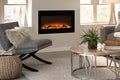
The format that works best depends on the opening size, the finish treatment the designer has specified, and how much of the original surround the homeowner wants to preserve. An insert drops into the existing opening and is trimmed out. A built-in unit requires framing a new enclosure within the existing cavity - more work upfront, but it gives the installer full control over the final appearance.
Why Does Enclosure Preparation Make or Break the Installation?
Most installation problems that surface after a conversion project - units running warm, flame effects that look compressed, trim gaps that cannot be closed - trace back to enclosure prep, not the product.
For electric fireplaces, the opening must be measured accurately before anything is ordered. Width, height, and depth all matter. Depth is the dimension most often underestimated on masonry conversions, where the original firebox is shallow or angled at the back. If the unit does not fit cleanly at depth, the installer ends up shimming or modifying the opening in the field - which adds time and creates finish problems.
Sealing is equally important. On masonry conversions, the flue should be dampered or sealed above the firebox opening. An open flue draws conditioned air out of the room and can create drafts that affect how the unit performs. This is a detail that gets skipped on fast installations and shows up as a complaint later.
For prefab enclosures, confirm the interior dimensions match the manufacturer's rough-in spec - not just the nominal size printed on the box. Prefab firebox interiors are not always consistent across production runs.
The trim kit bridges the gap between the unit face and the surround opening. Getting the right trim size requires knowing the exact gap measurement before ordering, not after the unit arrives. One customer noted that the team was "able to get the 6-inch trim kit that helped cover up the hole from the previous fireplace" - that detail was worked out during the selection process, not improvised on install day.
What Are the Electrical Requirements for a Conversion Project?
Electric fireplace conversions require a dedicated circuit. The specific amperage and voltage depend entirely on the unit selected and the manufacturer's specifications - those numbers must come from the product documentation, not from general estimates.
What trade professionals need to confirm before the unit ships:
- Dedicated breaker: Most units require a dedicated circuit. Sharing a circuit with other loads is a common source of nuisance tripping and should be flagged to the electrician before rough-in.
- Voltage: Residential units typically run on 120V. Larger or higher-output units may require 240V. Confirm with the manufacturer spec sheet.
- Wire path: On masonry conversions, routing the wire from the panel to the firebox location can be the most labor-intensive part of the project. On one documented installation, the electrician ran a direct wire through the existing brick fireplace into the crawl space - a clean solution, but one that requires planning before drywall closes.
- Outlet vs. direct wire: Some units are plug-in; others require direct wiring. Know which format you are ordering before the electrician finishes rough-in.
Electrical is the one area where field improvisation creates real liability. Confirm the spec before the unit ships, not after it arrives on site.
How Do You Choose the Right Unit for the Opening?
Selecting the correct unit for a conversion starts with three measurements: the width, height, and depth of the existing firebox opening. Those measurements drive everything else - format, trim kit size, and whether framing modifications are needed.
Beyond dimensions, the two questions that most affect the final result are flame realism and finish compatibility.
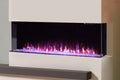
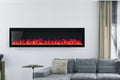
On realism: the gap between a standard LED electric fireplace and a most realistic electric fireplace has widened considerably over the past several years. Multi-layer 3D flame systems, ember bed detailing, and log media options that were considered premium features a few years ago are now more broadly available. For a homeowner who has lived with a real wood fire, the visual standard is high. Selecting a unit that meets that standard - rather than one that merely fills the opening - is what determines whether the homeowner is satisfied long-term.
One customer described spending weeks searching for a unit that "looked realistic and not fake" before finding the right product with qualified guidance. That search process is common. Trade professionals who can shortcut it by presenting the right options upfront - matched to the opening and the design intent - deliver a better project outcome.
On finish compatibility: the surround, hearth, and mantel materials already in place constrain what trim and facing options will work. Review the electric fireplace trim and frame options available for the units under consideration before finalizing the selection. Ordering a trim kit that does not match the existing finish creates a problem that cannot be solved on install day.
What Does a Successful Conversion Look Like in Practice?
A well-executed wood-to-electric conversion leaves the homeowner with a fireplace that is on at the push of a button, requires no maintenance, produces no ash or soot, and can be used year-round regardless of outside temperature. In warmer climates - Florida, Arizona, Texas, California - that last point matters more than it might seem. A fireplace that can run in flame-only mode without heating the room gets used. One that only makes sense in winter does not.
The installation itself, when the prep work is done correctly, is straightforward. The unit slides into the prepared opening, the trim kit is fitted, the circuit is confirmed, and the unit is tested. One contractor described the process as "very easy" once the unit arrived, with the only friction point being a minor detail on the front glass installation - a reminder that manufacturer documentation should be reviewed before install day, not during it.
For conversion projects with specific questions about rough-in dimensions, trim sizing, or unit selection, the Convert Wood/Gas Fireplace category provides a curated starting point organized around the formats and sizes that work for existing openings.
At Electric Fireplaces Depot we pair every electric fireplace with the honest, expert guidance professionals and homeowners need to choose and install it with confidence. If you are planning a conversion and want to confirm the right unit before anything ships, call or text 800-309-2144 or email sales@electricfireplacesdepot.com.
Checklist
- Measure the existing firebox opening in three dimensions - width, height, and depth - before selecting any unit or trim kit
- Confirm the electrical requirements (voltage, amperage, dedicated circuit, outlet vs. direct wire) with the manufacturer spec sheet before the electrician finishes rough-in
- Seal or damper the flue above the firebox opening on masonry conversions to prevent drafts and heat loss
- Determine the trim gap measurement before ordering the trim kit - not after the unit arrives on site
- Review finish, frame, and surround compatibility between the selected unit and the existing mantel or surround materials
- For trade professionals converting wood burning fireplaces to electric at scale, confirm manufacturer warranty support and spec availability before committing to a product line
FAQ
What type of electric insert actually works for a fireplace conversion? The right format depends on the opening dimensions and the desired finish treatment. A Firebox Inserts drops directly into an existing masonry or prefab opening and is trimmed out to close the gap. A built-in unit requires framing a new enclosure within the existing cavity, which gives more control over the final appearance. Log sets work in masonry fireboxes where the original interior stays visible. All three are legitimate conversion approaches - the opening size and design intent determine which one fits.
Which measurement matters most when sizing an electric insert for an existing opening? Depth is the dimension most commonly underestimated. Width and height are easy to measure from the front, but the interior depth of a masonry firebox - especially one with an angled back - can be shallower than it appears. If the unit does not fit at depth, the installer faces field modifications that add time and create finish problems. Measure all three dimensions before ordering.
Who handles the electrical work on a wood-to-electric conversion? A licensed electrician should handle the circuit work. The trade professional managing the conversion needs to confirm the unit's electrical requirements - voltage, amperage, dedicated circuit, and outlet versus direct wire format - before the electrician finishes rough-in. Running that wire after drywall is closed significantly increases labor cost and complexity.
How do you seal a masonry fireplace for an electric conversion? The flue damper should be closed or permanently sealed above the firebox opening before the electric unit is installed. An open flue draws conditioned air out of the room and can create drafts that affect unit performance and comfort. On older masonry fireplaces where the damper is worn or missing, a chimney balloon or permanent flue seal is the correct solution.
What does a wood-to-electric conversion cost compared to a gas conversion? The cost of an electric conversion is driven by the unit selected, the trim kit, any framing or enclosure prep required, and the electrical circuit work. Electric conversions eliminate the need for gas line installation, venting, and combustion-related inspections - costs that a gas conversion carries. The absence of those trades typically makes electric the simpler and less labor-intensive path, though the total project cost depends on the specific opening, the product tier, and the condition of the existing enclosure.
Is it possible to convert a wood burning fireplace to electric without losing the original surround? In most cases, yes. The existing masonry or prefab surround typically stays in place. The conversion work happens inside the firebox opening - the original surround, mantel, and hearth are generally unaffected. The trim kit bridges any gap between the new unit face and the existing opening, which is why getting the trim size right before ordering matters.
How realistic do electric fireplaces look after a conversion from wood? Modern premium electric fireplaces have advanced significantly. Multi-layer 3D flame systems, detailed ember beds, and realistic log media options now produce flame effects that hold up to close inspection. The gap between a standard unit and a high-realism unit is real, so product selection matters. Homeowners who have lived with real wood fires set a high visual standard - selecting a unit matched to that standard is what determines long-term satisfaction with the conversion.