1-800-309-2144
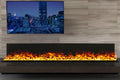
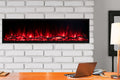
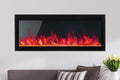
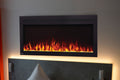
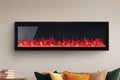
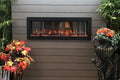
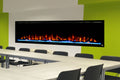
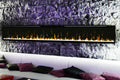
A linear electric fireplace is a wide, horizontal-format unit designed to produce a modern, low-profile flame visual across a broad viewing area - and for most contemporary or transitional living rooms, it is one of the strongest focal-point choices available. No venting is required and no gas line is needed, so a linear unit can be positioned on virtually any interior wall without structural compromise.
The format has become the dominant choice for accent-wall installations, and for good reason. A traditional box-style fireplace reads as a vertical object in a room. A linear unit reads as architecture - it anchors the wall the way a horizontal window or a floating media console does, which is exactly the visual weight a modern living room needs.
What Does "Linear" Actually Mean in a Fireplace?
The term refers to the aspect ratio of the firebox opening. Where a traditional fireplace is roughly square or slightly taller than wide, a linear unit is significantly wider than it is tall - often two to four times as wide. That proportion creates the signature ribbon-of-flame effect that has defined contemporary interior design for the past decade.
Electric Fireplaces in a linear format are available in widths ranging from roughly 40 inches on the compact end to well over 100 inches for statement installations. The flame bed runs the full width of the opening, which means the visual impact scales with the wall - a 72-inch unit on an 8-foot wall reads very differently than the same unit on a 14-foot wall.
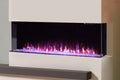
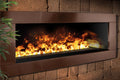
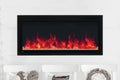
The flame effect itself in a premium linear unit has multiple layers. The best models use independent flame, ember, and media layers that create depth and movement across the full width of the opening. One customer described it this way: "This fireplace looks amazing in the family room's new built-in. It has amazing flame effects and the colors are lively."
Built-In or Wall-Mounted: Which Configuration Is Right?
Linear electric fireplaces come in two primary configurations, and the right one depends on whether you are building a new feature or working with an existing wall.
| Configuration | Best For | What It Requires |
|---|---|---|
| Built In Category | New construction, renovation with framing work, accent wall builds | A framed enclosure sized to manufacturer specs |
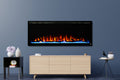
| Wall-mount Category | Finished walls, rental properties, lower-complexity installs | A flat wall surface and a standard electrical outlet |
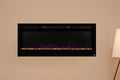
If your living room has a finished wall you do not want to open, a wall-mounted linear unit delivers the same aesthetic with significantly less installation complexity. If you are building out a feature wall - whether in new construction or a renovation - a built-in linear unit integrates flush with the surround for a cleaner, more architectural result.
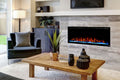
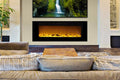
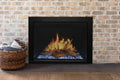
For living rooms in new builds or major renovations, the built-in route is almost always the right call. The unit sits recessed in the wall, the surround material (stone, tile, drywall, millwork) runs edge-to-edge, and the result looks like the fireplace was always part of the architecture. This is exactly the kind of application where electric fireplace for new construction and retrofit thinking applies - the same product category serves both scenarios depending on how the enclosure is prepared.
Does a Linear Electric Fireplace Suit a Modern or Transitional Living Room?
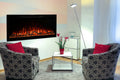
If your living room has a modern or transitional design direction, a linear electric fireplace delivers the visual impact of a real flame without combustion. That is not a marketing claim - it reflects how the format actually functions in a room.
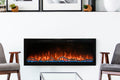
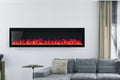
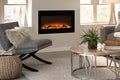
The wide, low flame bed pairs naturally with horizontal design elements: low-profile sofas, floating shelves, wide-format tile, and flat-panel media setups. It does not compete with a room's architecture; it completes it.
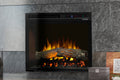
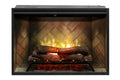
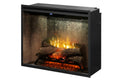
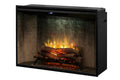
For traditional or cottage-style rooms, the linear format can feel out of place. Those spaces typically benefit from a more upright firebox with log media - the kind of installation where most realistic electric fireplace considerations around log sets and ember beds become more relevant. Knowing your room's design direction before selecting a format saves a significant amount of back-and-forth.
One thing that surprises many homeowners: a linear electric unit is designed as an indoor architectural feature, not just a heater. Most models offer a flame-only mode with no heat output, which means the visual effect can run year-round without warming the room in summer. That flexibility is something neither a gas fireplace nor a wood-burning unit can offer.
What Should You Think About Before Buying a Linear Unit?
Several variables determine whether a specific linear model is the right fit for your living room:
Wall width and viewing distance. A unit that is too narrow for the wall reads as undersized and loses its architectural presence. A rough guideline: the flame opening should span at least 40 to 50 percent of the wall width for the format to read correctly. Viewing distance matters too - at 12 to 15 feet, a 60-inch unit delivers a very different experience than it does at 8 feet.
Enclosure depth. Built-in linear units require a framed enclosure of a specific depth - this varies by manufacturer and model. Confirm the rough-in dimensions before framing begins. Shallow-depth models exist for walls where depth is constrained.
Electrical supply. Most residential linear units run on a standard 120V outlet. Larger units - particularly those with more powerful heating elements - may require a 240V dedicated circuit. Confirm the electrical requirement for the specific model before installation begins.
Finish and surround materials. The surround is where the investment in a linear fireplace pays off visually. Linear units are designed to work with large-format stone, tile, and millwork. For high-end specifications, electric fireplace trim and frame options matter as much as the firebox itself - the trim kit bridges the gap between the unit and the surround material and determines how finished the final installation looks.
Electric Fireplaces Depot handles conversions from wood and gas to electric regularly. "Switching from wood or gas to electric has never been simpler - no venting, no gas line, and no compromise on a realistic flame. We have done thousands of them."
Is a Linear Electric Fireplace Worth the Investment for a Living Room?
For a living room where the fireplace is meant to anchor the space - not just provide occasional warmth - a linear electric unit is a strong investment. It functions as a luxury focal point that anchors an accent wall, delivers a real flame visual without combustion, and requires no ongoing maintenance beyond the occasional cleaning of the glass.
The electric fireplace lifespan vs gas fireplace comparison also favors electric in the long run: no annual servicing, no combustion byproducts, no venting components to inspect or replace.
Where a linear unit is not the right answer: if your primary goal is supplemental heat for a large, open-plan living space, a single electric unit may not be sufficient on its own. The honest answer is that the format is optimized for visual impact first, with heat as a secondary benefit in most residential configurations.
At Electric Fireplaces Depot, the conversation we have most often with homeowners considering a linear unit goes something like this: what is the intended use - visual feature or supplemental heat? That single question changes the recommendation more than any other factor. Based on your setup, we can spec this with you to ensure a smooth install and the result you are actually expecting.
Checklist
- Measure your wall width before choosing a unit size - the flame opening should span at least 40 to 50 percent of the wall for the linear format to read correctly at normal living room viewing distances.
- Confirm the rough-in depth for any built-in linear unit before framing begins; do not assume standard wall depth will accommodate every model.
- Decide early whether the primary goal is visual impact, supplemental heat, or both - this determines which linear models are actually appropriate for your living room.
- Check the electrical requirement for the specific unit before purchasing: most residential models run on 120V, but larger units may require a dedicated 240V circuit.
- Plan the surround and trim at the same time as the firebox - for a linear installation, the finished result depends on how well the trim kit and surround materials are coordinated.
- When evaluating brands, confirm the manufacturer has a real customer support phone number and call it before purchasing - this is one of the most reliable tests of whether a company will be there when you need them after installation.
FAQ
What makes a linear electric fireplace different from a regular electric fireplace? The defining difference is the aspect ratio of the firebox opening. A linear unit is significantly wider than it is tall - often two to four times as wide - which creates a horizontal ribbon-of-flame effect across the full width of the opening. Traditional electric fireplaces are closer to square or slightly vertical in proportion, which suits a different room style and design direction.
Which living room styles work best with a linear electric fireplace? Modern, contemporary, and transitional living rooms are the natural fit. The wide, low flame bed pairs well with horizontal design elements - low-profile furniture, large-format tile, floating shelves, and flat-panel media walls. In traditional or cottage-style rooms, a more upright firebox with log media typically suits the aesthetic better than a linear format.
Who installs a linear electric fireplace - do I need a contractor? Wall-mounted linear units can often be installed by a competent DIYer since they mount to a finished wall surface and plug into a standard outlet. Built-in linear units that recess into a framed enclosure typically require a contractor for the framing work, though the electrical connection is usually a standard outlet inside the enclosure. Always follow the manufacturer's installation guidelines for the specific model.
How much does a linear electric fireplace cost compared to a gas fireplace? The cost of a linear electric unit varies based on width, technology, and brand - but the total installed cost is almost always lower than a comparable gas fireplace because no gas line, venting, or annual servicing is required. The ongoing operating cost is also more predictable with electric since there are no combustion components to maintain or inspect. The variables that drive the price of a linear electric unit upward are flame realism, width, and the quality of the surround and trim package.
What is the right size linear electric fireplace for a living room? There is no single answer, but a useful starting point is that the flame opening should span roughly 40 to 50 percent of the wall width for the format to read correctly at normal viewing distances of 10 to 15 feet. A 60-inch unit on a 10-foot wall reads well; the same unit on a 16-foot wall may feel undersized. Viewing distance, ceiling height, and the surrounding furniture scale all influence the final size decision.
Are linear electric fireplaces realistic-looking in 2026? Premium linear electric fireplaces available now use multi-layer flame technology that produces depth, movement, and color variation across the full width of the opening. The best models no longer look like a screen - the flame bed has genuine visual complexity. One homeowner noted that the flames in their electric unit were "more realistic than a gas fireplace we have in another room." The realism gap between electric and gas has narrowed considerably at the premium end of the market.
Where should a linear electric fireplace be positioned in a living room? The most common and effective placement is centered on the primary accent wall, typically opposite or adjacent to the main seating area. Because no venting is required and no gas line is needed, a linear unit can be positioned on virtually any interior wall - including interior walls that would be impossible or prohibitively expensive to use with a gas fireplace. Avoid positioning the unit where it will receive direct sunlight on the glass during peak viewing hours, as this reduces the perceived contrast and flame visibility.
If you are working through a living room renovation or a new build and want to confirm the right linear unit for the wall you have in mind, the Electric Fireplaces Depot linear fireplace collection is a practical starting point. You can also reach the team directly - call or text 800-309-2144, or email sales@electricfireplacesdepot.com - and describe the project. Based on your setup, the right recommendation usually takes one conversation.