1-800-309-2144

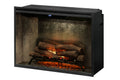
Electric fireplaces generally outlast gas fireplaces in practical, low-maintenance terms. A well-built electric fireplace from a reputable manufacturer typically runs reliably for 20 years or more, while gas fireplaces involve combustion systems, venting components, and gas valves that require periodic inspection and servicing - and accumulate wear in ways that purely electrical components simply do not. The comparison is not just about raw years; it is about what those years cost you in service calls, parts, and peace of mind.
What Actually Determines How Long a Fireplace Lasts?
Lifespan depends on what can fail, how often, and how expensive those failures are to fix.
Gas fireplaces involve combustion, venting systems, and gas valves that require periodic inspection and servicing to maintain safe and reliable operation. Every component in that chain - the burner, the igniter, the thermocouple, the venting pipe, the gas valve - is subject to heat stress, oxidation, and corrosion over time. Annual servicing is generally recommended to keep a gas fireplace operating safely, and that service requirement never goes away, even in years when the unit seems to be running fine.
Electric fireplaces, by contrast, have fewer mechanical components. The core technology is electrical: an LED or LCD flame display, a heating element, a fan, and a control board. None of those components are exposed to combustion byproducts, and none corrode the way metal gas components do under repeated high-heat cycles. The absence of combustion eliminates the degradation that heat and exhaust cause to internal components in gas units.
The practical result: electric fireplaces tend to require far less maintenance over their lifespan, which means fewer service points that can fail and lower long-term ownership costs.
How Long Do Electric Fireplaces Actually Last in Real Use?
A quality electric fireplace from a trusted manufacturer is designed for long-term residential use - typically 20 years or more with normal operation. The LED components that drive the flame display have their own rated lifespan, often in the range of tens of thousands of hours, which for a fireplace used several hours per day translates to well over a decade of the visual display alone.
The heating element in an electric fireplace is a separate system from the flame display, and many owners run the flame effect year-round without the heater engaged. One customer who purchased through Electric Fireplaces Depot noted exactly this: "It's great to be able to use it for the ambiance in the summer because I don't have to turn the heat on unlike a gas fireplace like I had in my other homes which kept me from using it half the year. This one can be used year round."
That year-round use pattern actually extends the practical value of an electric fireplace beyond what the raw lifespan number suggests. A gas fireplace that sits unused six months a year still requires annual inspection. An electric fireplace used 365 days a year for the flame display alone delivers continuous value without adding to its maintenance burden.
The owner of Electric Fireplaces Depot has watched this technology evolve firsthand over more than a decade - from early LED units that seemed impressive at the time to today's LCD and holographic displays that are genuinely difficult to distinguish from real flame. That progression has not slowed down, and the underlying electrical architecture that makes these units so durable has only become more refined.
How Does Gas Fireplace Lifespan Compare?
Gas fireplaces can also last 15 to 25 years, but that range assumes consistent, professional maintenance. The combustion system, venting, and gas valve components all degrade with use and require periodic inspection to remain both functional and safe. Skip a few service cycles and the lifespan shortens; continue servicing and the costs accumulate.
The gas vs electric fireplace cost comparison often focuses on installation, but the long-term maintenance cost gap is equally significant. A gas fireplace that requires annual professional servicing at $100 - $200 per visit accumulates thousands of dollars in service costs over its lifespan - costs that most electric fireplace owners simply do not face.
There is also the venting system to consider. Venting components are exposed to heat, moisture, and combustion exhaust. Over time, seals degrade, liners can crack, and chimney caps fail. Each of those is a separate failure point that requires its own inspection and repair. Low-maintenance installation and the absence of a gas line or venting system reduce the number of service points that can fail in an electric fireplace over its lifetime - and that structural difference compounds across 20 years of ownership.
Does the Type of Electric Fireplace Affect Longevity?
Not all electric fireplaces are built to the same standard, and the technology inside the unit does matter for long-term reliability.
| Technology | Flame Realism | Key Components | Maintenance Notes |
|---|---|---|---|
| LED (standard) | Good | LED array, fan, heating element | Very low; LEDs rated for long hours |
| LCD / Holographic | Excellent | LCD panel, LED backlighting, fan | Low; no combustion components |
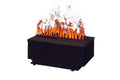
| Water Vapor Fireplace | Most realistic | Ultrasonic mist, LED, water reservoir | Requires water refill and occasional cleaning |
For LED and LCD units, the maintenance profile is minimal. Water vapor fireplaces deliver the most realistic flame effect available without combustion, but they do require proper enclosure preparation and some routine upkeep - primarily keeping the water reservoir clean and the ultrasonic components free of mineral buildup. Even so, that maintenance is far simpler than annual gas fireplace servicing.
The key takeaway: the more sophisticated the flame technology, the more attention the specific manufacturer's installation and care guidelines deserve - but none of these technologies involve the combustion-driven wear that shortens gas fireplace component life.
For homeowners evaluating electric fireplace heating specs alongside longevity, it is worth noting that the heating element and the flame display are independent systems in most units. Running the flame without heat does not accelerate wear on the heating element, and vice versa.
Which Lasts Longer When You Factor in Total Cost of Ownership?
When lifespan is measured not just in years but in total cost of ownership, electric fireplaces hold a clear structural advantage for most homeowners. Fewer mechanical components, no combustion system, no venting, and no gas line mean fewer things that can fail and fewer professionals required to keep the unit safe and operational.
Gas fireplaces are not unreliable - they are simply more complex, and that complexity has a price that compounds over time. For homeowners doing a renovation or new build who want a premium focal point without the ongoing service burden, understanding that structural difference is what makes the decision straightforward.
If you are weighing a retrofit existing fireplace project specifically, the longevity advantage of switching to electric becomes even more pronounced - you eliminate the venting and gas valve components entirely, and you gain a unit designed for decades of low-maintenance use.
Electric Fireplaces Depot's full catalog of electric fireplaces is a useful starting point for matching the right technology to your specific project.
Checklist
- Compare total cost of ownership, not just purchase price - factor in annual servicing costs for gas fireplaces over 15 to 20 years.
- Ask the manufacturer or retailer for the rated lifespan of the LED or LCD components in any electric fireplace you are considering.
- If you are evaluating a water vapor unit, review the manufacturer's water reservoir and cleaning guidelines before specifying it for your project.
- For a new build or retrofit, confirm that the electric fireplace you select is designed for your installation type - built-in, insert, or wall-mounted - to avoid enclosure issues that can affect long-term performance.
- Check warranty terms carefully: a longer manufacturer warranty on an electric fireplace is a credible signal of builder-grade reliability.
- If converting from gas, work with a qualified electrician to ensure the electrical supply meets the unit's requirements - this is a one-time setup cost, not an ongoing one.
FAQ
How many years does an electric fireplace typically last? A well-built electric fireplace from a reputable manufacturer is generally designed for 20 years or more of reliable use. The LED and LCD components that drive the flame display are rated for tens of thousands of operating hours, and the heating element is a separate system that does not affect the flame display's lifespan. Actual longevity depends on build quality and how well the unit is matched to its installation environment.
Do electric fireplaces require annual servicing like gas fireplaces do? No. Electric fireplaces have no combustion system, no venting, and no gas valve - the components that make annual professional servicing necessary for gas units. Routine care for an electric fireplace is typically limited to keeping the unit clean and occasionally checking that vents are unobstructed. Water vapor fireplaces require periodic cleaning of the water reservoir and ultrasonic components, but that is owner-level maintenance, not professional servicing.
What parts of a gas fireplace wear out fastest? Gas fireplaces involve combustion, venting systems, and gas valves that are all subject to heat stress, oxidation, and corrosion over time. The thermocouple, igniter, and gas valve are the components most commonly requiring replacement in an aging gas unit. Venting components - including liners, seals, and chimney caps - also degrade from repeated exposure to combustion exhaust and moisture.
Can I run an electric fireplace year-round without damaging it? Yes. Because the flame display and the heating element are independent systems in most electric fireplaces, you can run the flame effect year-round without engaging the heater. This is one of the practical advantages electric fireplace owners frequently cite - the ability to enjoy the visual ambiance in warm weather without adding heat to the room, something that is not possible with a gas fireplace.
Does the type of electric fireplace technology affect how long it lasts? The core electrical architecture - LED or LCD display, fan, heating element, control board - is consistent across most quality electric fireplaces, and all of it is more durable over time than a combustion-based system. Water vapor fireplaces add an ultrasonic mist component and water reservoir that require some routine cleaning, but they still carry none of the combustion-driven wear found in gas units. Build quality and manufacturer standards matter more than technology type when it comes to long-term reliability.
Is it worth switching from gas to electric for a longer-lasting fireplace? For most homeowners, yes - particularly when factoring in the elimination of annual servicing costs, venting maintenance, and gas valve wear. An electric fireplace installed correctly in a well-prepared enclosure requires very little ongoing attention and delivers consistent performance over its lifespan. The upfront switch from gas to electric is a one-time project; the savings in service and maintenance compound every year after.
If you have a specific project in mind - whether a new build, a renovation, or a retrofit - Electric Fireplaces Depot is available to help you spec the right unit for your installation. Call or text 800-309-2144, or email sales@electricfireplacesdepot.com.