1-800-309-2144
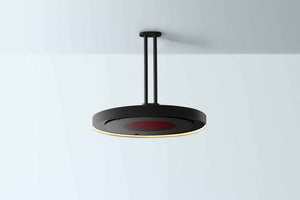

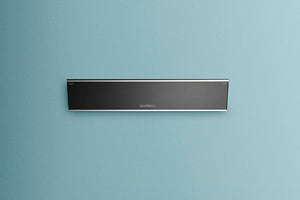
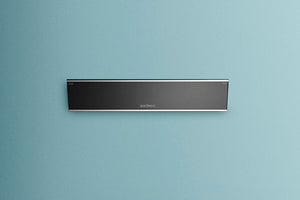
Electric Fireplaces come in three distinct installation formats - wall-mounted, built-in, and insert - and choosing the wrong one for your space is one of the most common and costly mistakes homeowners make. Wall-mounted units hang on the surface of a wall with no enclosure required. Built In Category units recess into a wall cavity or custom enclosure. Firebox Inserts slide into an existing fireplace opening. Each format exists for a different situation, and matching the right one to your project stage and space prevents expensive mismatches before a single screw goes in.
What Makes These Three Formats Actually Different?
The difference is not about flame quality or heat output. It is about how and where the unit physically installs, and what your space needs to accommodate it.
| Format | How It Installs | What You Need |
|---|---|---|
| Wall-Mounted | Surface-mounts to a finished wall | No enclosure, no framing |
| Built-In | Recessed into a wall cavity or custom enclosure | Framing, drywall, or a built surround |
| Insert | Slides into an existing fireplace opening | An existing wood or gas fireplace opening |
Your existing space - not personal preference - should drive this decision first.
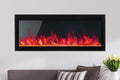
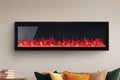
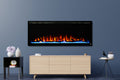
A wall-mounted unit is the only format that requires zero construction. It attaches directly to a finished wall surface, plugs into a standard outlet in most cases, and is ready to use. That makes it the most practical option when framing is not possible or the project timeline does not allow for construction.
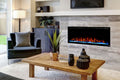
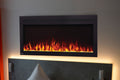
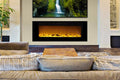
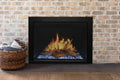
A built-in unit is designed for new construction or a custom renovation where you are building an enclosure from scratch or framing a wall cavity specifically for the fireplace. The result is a clean, flush, architectural look where the unit appears to float within the wall. Built-in and insert units typically deliver a cleaner architectural appearance than surface-mounted options because the hardware disappears into the surrounding structure.
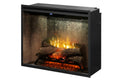
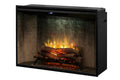
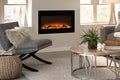
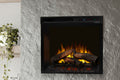
An insert is the retrofit solution. If you have an existing wood-burning or gas fireplace that you want to convert to electric, an insert is engineered to slide into that existing opening. It is specifically designed to fit into existing wood or gas fireplace openings, allowing homeowners to convert existing fireplace to electric without major renovation. One customer described her experience: "I absolutely LOVE this insert!! I have been wanting to convert our natural fireplace to gas as I can't stand the smell / ash from a natural fire... It looks so beautiful, and I get tons of compliments on it!"
How Do You Know Which Format Fits Your Project?
The single most useful question to ask yourself before comparing products is: what stage is my project in, and what does my space already have?
If you have an existing fireplace opening - whether it was wood-burning or gas - an insert is almost always the right starting point. Inserts are engineered to fit standard fireplace openings and are designed to avoid the framing complications that come with building a new enclosure. The installation is straightforward when the opening dimensions are measured correctly, and the result looks intentional rather than retrofitted. One customer noted: "The installation was very straight forward for my existing fireplace. This product is very well thought out to be a universal type installation."
If you are building new or doing a full renovation and have the wall open or are starting from scratch, a built-in unit gives you the cleanest architectural result. You frame the cavity to the unit's specifications, finish it with your chosen surround material, and the fireplace becomes part of the wall itself. This is the format most commonly specified for new construction and high-end custom builds. For projects where electric fireplace for new construction and retrofit decisions are being made early in the design phase, built-ins offer the most flexibility for electric fireplace trim and frame options and surround customization.
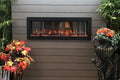
If you have a finished wall and no existing fireplace opening, a wall-mounted unit reduces install complexity to its minimum. No framing, no drywall work, no enclosure. The unit mounts to the surface and operates independently. The trade-off is that the unit will always be visible as a surface-mounted object rather than an integrated architectural feature.
Understanding your space and project stage before selecting a format prevents costly mismatches between the product and the installation environment. This is the question we ask first: is there an existing enclosure or wall, or are you building from scratch?
What Are the Practical Differences in Installation?
Each format has a different install profile, and those differences affect timeline, complexity, and what trades you need involved.
Wall-mounted units are the simplest to install. Most mount with a bracket system similar to a flat-panel television. They require no framing, no enclosure, and no venting. The electrical requirement depends on the unit, but many standard residential wall-mounted models operate on a conventional circuit. This format shortens install time significantly and is the most practical option when framing is not possible or the project is in a finished space.
Built-in units require more preparation. The wall cavity or enclosure must be framed and finished to the manufacturer's specifications before the unit is set. This is where most installation problems originate - enclosure dimensions that do not match the unit, inadequate clearances, or finish materials applied before the fireplace is set. One experienced customer who had installed more than a dozen built-in units put it plainly: "To install the unit, it takes some planning; if you're handy and know your way around a little framing, some electrical, drywall, maybe some cultured stone/tile work and painting, these units lend themselves to a fun project and are rewarding when completed."
Insert units require accurate measurement of the existing fireplace opening before purchase. Depth, width, and height of the firebox all matter. Inserts are designed to slide in and typically include a trim kit that covers the gap between the unit and the surrounding surround. One customer who replaced an older unit noted: "Our new fireplace looks nicer, throws off more heat that enables us to heat only our family room, and has a parts list for the fireplace if repairs are needed in the future."
All three formats share one significant advantage over gas: no gas line needed, no venting required, and no combustion. That means no chimney inspection, no carbon monoxide concern, and a clean installation environment regardless of which format you choose.
Which Format Delivers the Most Realistic Flame?
Flame realism is not determined by the format - it is determined by the flame technology inside the unit. Wall-mounted, built-in, and insert units can all use the same LED flame systems, and some of the most realistic electric fireplace options available today come in all three configurations.
What format does affect is the visual context around the flame. A built-in unit surrounded by stone, tile, or a custom millwork surround tends to read as more architectural and intentional, which amplifies the overall visual impact. An insert set into an existing masonry or prefab fireplace opening carries the same effect - the flame sits within a surround that frames it naturally.
A wall-mounted unit can absolutely be a luxury focal point, but the surrounding wall finish and the unit's own bezel or trim do more of the design work. For projects where client-facing visual impact is a priority, built-in and insert formats typically have an edge because the architectural integration does part of the job.
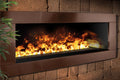
For homeowners considering a Water Vapor Fireplace - which produces one of the most dimensional flame effects available without combustion - the built-in format is almost always the right choice. Water vapor units are designed for indoor architectural features and benefit significantly from a controlled enclosure environment.
What Should You Confirm Before You Buy?
Choosing between a wall-mounted, built-in, and insert electric fireplace comes down to three things: what your space already has, what stage your project is in, and what level of architectural integration you want. Inserts solve the retrofit problem cleanly. Built-ins deliver the highest-end architectural result when you are building new or renovating. Wall-mounted units eliminate construction entirely when neither of the other options fits.
The product is only part of the equation. Getting the format right before you select a specific unit prevents the most common and expensive installation mistakes. At Electric Fireplaces Depot we pair every electric fireplace with the honest, expert guidance professionals and homeowners need to choose and install it with confidence. If you are weighing these options for a specific project, the Best Conversion Fireplaces collection is a practical starting point for retrofit applications.
If you have questions about which format fits your project, call or text 800-309-2144 or email sales@electricfireplacesdepot.com. Describe your space - whether you have an existing opening, a finished wall, or a new build in progress - and we will point you to the right format and the right unit before you spend a dollar.
Checklist
- Identify your space first. Before comparing products, determine whether you have an existing fireplace opening, a finished wall, or a new construction cavity. That single factor narrows the format decision immediately.
- Measure any existing opening before purchasing an insert. Depth, width, and height of the firebox all affect which electric fireplace insert will fit correctly and which trim kit you will need.
- Confirm your electrical situation. Wall-mounted and insert units typically operate on a standard residential circuit, but verify the unit's requirements against your available outlet or circuit before ordering.
- If you are speccing a built-in for new construction, frame the cavity to the manufacturer's specifications before finishing the wall. Enclosure prep is where most built-in installation problems originate - get the dimensions right before drywall goes up.
- Match the format to your project stage, not just the look. A built-in that requires framing is the wrong choice for a finished room with no construction planned, regardless of how it looks in a showroom.
- Ask whether the flame technology inside the unit meets your realism standard. Format affects integration; flame quality is determined by the LED or water vapor system inside - confirm both before purchasing.
FAQ
What is the difference between a built-in and an insert electric fireplace? A built-in electric fireplace is designed to be recessed into a wall cavity or custom enclosure that is framed specifically for it - it is the right choice for new construction or full renovations. An insert is designed to slide into an existing fireplace opening, such as a wood-burning or gas firebox that is already in place. The two formats serve different situations: built-ins for new builds, inserts for retrofit conversions.
Which format is easiest to install - wall-mounted, built-in, or insert? Wall-mounted units are the simplest to install because they require no framing, no enclosure, and no existing fireplace opening. They mount to a finished wall surface and plug in, which reduces install complexity to its minimum. Built-in units require the most preparation because the enclosure or wall cavity must be framed and finished to spec before the unit is set. Inserts fall in between - straightforward when the existing opening is measured correctly, but dependent on having the right opening dimensions.
Who should choose an electric fireplace insert over a built-in? Homeowners who already have an existing wood-burning or gas fireplace opening are the primary candidates for an insert. The insert slides into that existing opening, which means no new framing, no wall demolition, and no new enclosure - it is the cleanest retrofit path. Built-ins are the better choice for homeowners doing new construction or a full renovation where the wall is already open and can be framed to the unit's exact specifications.
Which electric fireplace format looks the most realistic or high-end? Flame realism is determined by the technology inside the unit, not the format. However, built-in and insert formats tend to deliver a stronger architectural result because the unit integrates into a surrounding structure - stone, tile, millwork, or masonry - that frames the flame naturally. Wall-mounted units can also look premium, but more of the design work falls on the surrounding wall finish and the unit's own trim or bezel.
Can I use any electric fireplace format if I have no existing fireplace? If you have no existing fireplace opening and no plans to frame a new wall cavity, a wall-mounted unit is your practical option. It requires no enclosure and no construction - it mounts directly to any finished wall. If you are willing to do framing work or are in the middle of a renovation, a built-in unit is also viable. An insert is not appropriate when there is no existing fireplace opening to slide it into.
How much does it cost to install each type of electric fireplace? The cost drivers differ by format. Wall-mounted units have the lowest installation cost because no construction is involved - the main expense is the unit itself and any electrical work needed for the outlet. Built-in units add framing, drywall, and finish material costs on top of the unit price, which varies significantly based on the surround design. Insert installations typically fall between the two, with costs driven by the unit price and any trim kit or surround work around the existing opening. Getting an accurate project cost means accounting for the unit, the enclosure or surround, and the electrical requirements together.
Where do most installation problems occur with built-in electric fireplaces? Most problems with built-in units originate in the enclosure preparation, not the unit itself. Enclosure dimensions that do not match the manufacturer's specifications, clearances that are too tight, or finish materials applied before the fireplace is properly set are the most common issues seen in the field. Following the manufacturer's installation guidelines for framing dimensions and clearances before any finishing work begins prevents the majority of these problems.