1-800-309-2144

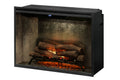
Ventless fireplaces are not all the same, and that distinction matters enormously for retrofit projects. The honest answer is that "ventless" covers several completely different technologies — and the safety concerns most people have heard about apply specifically to combustion-based units, not electric ones. Electric fireplaces require no venting, no gas line, and produce no combustion byproducts whatsoever. For remodels with unpredictable wall conditions and tight timelines, that difference is the whole ballgame.
What Does "Ventless" Actually Mean?
"Ventless" is not a single product category. It is a descriptor that gets applied to gas inserts, ethanol burners, gel fireplaces, and electric fireplaces — and the risks and performance profiles across those categories are completely different.
When a homeowner tells you they read that ventless fireplaces are dangerous, they are almost certainly referring to combustion-based units. Gas ventless fireplaces burn fuel inside the living space and release combustion byproducts — including water vapor, carbon dioxide, and in some cases carbon monoxide — directly into the room. That is a legitimate concern, and it is the source of most of the negative coverage you will find online.
Ethanol and gel fireplaces operate on the same principle: open-flame combustion in an unvented space. The concerns around indoor air quality, moisture buildup, and oxygen depletion are real for those product types.
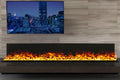
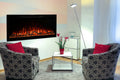
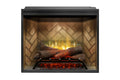
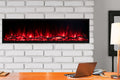
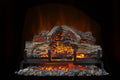
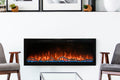
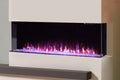
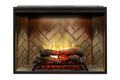
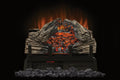
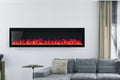
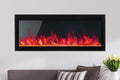
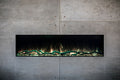
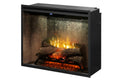
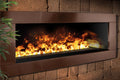
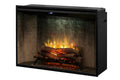
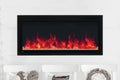
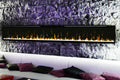
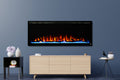
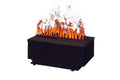
Electric fireplaces are ventless in the sense that they require no flue, no chimney, and no exhaust pathway. But they are ventless because there is nothing to exhaust. There is no combustion. No flame. No byproduct. The visual flame effect is produced by LED lighting and, in more sophisticated units, by Water Vapor Fireplace technology that creates a realistic three-dimensional flame using ultrasonic mist. The air quality in the room is completely unaffected.
Why Do Remodelers Keep Running Into This Confusion?
The confusion persists because the word "ventless" is doing too much work across too many product types. A contractor who has fielded three homeowner objections about ventless fireplaces in the same month is dealing with a terminology problem, not a product problem.
Most of those homeowners found the same set of articles. Those articles are usually about gas ventless units, written without distinguishing electric from combustion-based alternatives. By the time the concern reaches you on the job site, it has been stripped of all context.
The pattern we see repeatedly at Electric Fireplaces Depot: a homeowner has already decided they want a fireplace, they have already picked a wall, and then they read something alarming at 11pm and the conversation stalls. The contractor ends up spending time relitigating a concern that does not apply to the product being specified.
The fix is having a clear, confident answer ready — and that answer starts with clarifying which type of ventless fireplace is actually under discussion.
Are Electric Fireplaces Actually Safe for Retrofit Projects?
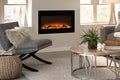
Yes, and they are specifically well-suited to retrofit conditions. Here is what makes them practical where other options create complications.
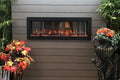
No venting means no structural disruption. A gas fireplace — vented or ventless — requires either an existing flue or significant framing and exterior penetration work. In a retrofit, that often means opening walls, dealing with insulation, and navigating code requirements around clearances and combustion air. Electric units drop into a finished or framed enclosure without any of that. Clean installation, no venting required, no framing complications.
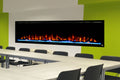
No gas line means no coordination with other trades. Gas rough-in adds a subcontractor, an inspection point, and a scheduling dependency. On a remodel with compressed timelines, that is real risk. Electric fireplaces run on standard household current — most residential units operate on a standard 120V outlet, with larger linear units requiring a dedicated 240V circuit. That is an electrician conversation, not a gas contractor conversation.
No combustion means no air quality concern. This is the objection-stopper. When a homeowner asks whether the fireplace will affect indoor air quality, the answer for an electric unit is simply no. There are no combustion byproducts because there is no combustion. Electric fireplaces are safe for multi-family applications, apartments, condos, and any space where open flame or gas would face code or HOA restrictions.
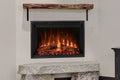
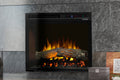
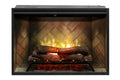
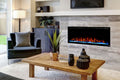
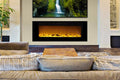
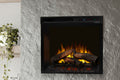
Real flame visual without combustion. This is the part that surprises most people who have not seen a current-generation electric fireplace in person. The flame effects — particularly in water vapor units — are genuinely convincing. The designer we worked with on a recent residential project put it plainly: "The final result turned out beautifully." That is the client-facing visual impact that closes projects.
What Are the Actual Installation Considerations?
The product is only half of a successful install. The enclosure preparation is the other half, and this is where most problems originate.
For standard electric fireplaces, the key considerations are:
- Enclosure dimensions: Follow manufacturer specs precisely. Undersized enclosures trap heat; oversized ones affect the visual proportion of the flame.
- Clearances: Maintain required clearances on all sides. Most units have specific minimum clearances from combustibles.
- Electrical: Confirm the circuit is correct for the unit's draw. A dedicated circuit is standard practice for any fireplace insert.
- Surface finish: Combustible materials used in the surround must respect the manufacturer's clearance guidelines, even though there is no actual combustion.
For water vapor units, enclosure sealing and controlled airflow become critical performance factors. Those units produce a realistic mist-based flame that requires a stable environment — cross drafts, dust exposure, and poor sealing are the three most common causes of performance issues. It is not complicated to get right, but it requires following installation guidelines from the start. At Electric Fireplaces Depot, we guide that process step by step because we have seen the same mistakes enough times to know exactly where they happen.
If you are specifying a unit for a retrofit project, the electric fireplaces for retrofit projects section of our site walks through the variables that matter most for existing construction — enclosure compatibility, electrical requirements, and which units are designed to reduce install complexity from the start.
Summary: The Ventless Question Has a Clear Answer
Ventless fireplaces are not universally problematic. The concerns that circulate online are legitimate for combustion-based products, and they do not apply to electric fireplaces. Electric units produce a real flame visual without combustion, require no venting, need no gas line, and introduce no air quality concerns. For remodels where wall conditions are unpredictable and timelines are tight, they are the drop-in ready solution that reduces install complexity and shortens install time.
The contractor who can explain that distinction clearly — and back it up with product knowledge — stops the late-night internet research from derailing the project.
Checklist
- Clarify the product type first. When a homeowner raises ventless concerns, confirm you are discussing an electric fireplace, not a gas or ethanol unit. The concerns do not overlap.
- Confirm electrical requirements early. Identify whether the install location has a standard 120V outlet or requires a dedicated 240V circuit before finalizing the unit selection.
- Follow manufacturer enclosure specs. Measure the rough opening against the unit's minimum and maximum enclosure dimensions before framing or finishing.
- For retrofit contractors specifying electric fireplaces, document the clearance requirements and share them with the finish carpenter or tile setter before they start.
- Address the air quality question proactively. Tell the homeowner upfront that electric fireplaces produce no combustion byproducts — it closes the objection before it opens.
- For water vapor units, plan the enclosure environment. Seal the enclosure correctly, eliminate cross drafts, and keep the interior clean during construction. This is where most performance issues originate.
FAQ
Are ventless fireplaces dangerous? The safety concerns most commonly cited about ventless fireplaces relate to combustion-based units — specifically gas, ethanol, and gel fireplaces that burn fuel inside a living space and release byproducts into the room. Electric fireplaces are also ventless but involve no combustion at all, so those concerns do not apply. There are no combustion byproducts, no oxygen depletion, and no air quality impact from an electric unit.
Can I install a ventless electric fireplace in a bedroom or apartment? Yes. Because electric fireplaces produce no combustion byproducts, they are safe for bedrooms, apartments, condos, and multi-family units where gas appliances may face code or HOA restrictions. They run on standard household electricity and require only the correct circuit for the unit's power draw.
Do electric fireplaces require any special venting or exhaust? No. Electric fireplaces require no flue, no chimney, and no exhaust pathway of any kind. The flame effect is produced by LED lighting or water vapor technology — neither generates heat through combustion, so there is nothing to vent. This is what makes them particularly well-suited to retrofit and remodel projects.
What causes the most problems with ventless electric fireplace installations? The most common installation issues are enclosure-related: incorrect dimensions, insufficient clearances, or — for water vapor units — inadequate sealing and cross drafts. The product itself is straightforward; the enclosure preparation is where most problems originate. Following manufacturer installation guidelines precisely, especially on clearances and enclosure sizing, prevents the majority of post-install callbacks.
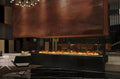
Will a ventless electric fireplace look realistic? Current-generation electric fireplaces, especially water vapor units, produce a genuinely convincing three-dimensional flame effect. The visual quality has improved substantially and is now a credible focal point in high-end residential and commercial projects. The flame is produced without combustion, which means it can be used safely in spaces where an open flame would not be appropriate.
Is a ventless electric fireplace code-compliant for remodels? In most jurisdictions, electric fireplaces are code-compliant for residential remodels because they operate as standard electrical appliances. They do not require the gas permits, combustion air calculations, or flue inspections associated with gas fireplaces. That said, local codes vary, and it is always worth confirming electrical requirements and clearance standards with the local authority having jurisdiction before finalizing the spec.
How do I answer a homeowner who says they read ventless fireplaces are unsafe? Ask them which type they read about. The safety literature on ventless fireplaces almost exclusively covers combustion-based units — gas, ethanol, or gel. Electric fireplaces are ventless because they produce nothing that requires venting, not because combustion byproducts are being released into the room. That single clarification resolves the objection in most cases.
If you are specifying a fireplace for a remodel and want a straight answer on which unit fits the project, reach out directly. Call or text Electric Fireplaces Depot at 800-309-2144, or email the trade team at pro@electricfireplacesdepot.com. Share the project details — existing enclosure or building from scratch, wall conditions, electrical situation — and we will spec it correctly so you do not run into problems after install.