1-800-309-2144
The style of electric fireplace that works best depends directly on your home's design language. Modern homes typically pair best with linear electric fireplaces - wide, horizontal units with minimal surrounds - while traditional homes are better suited to classic box-format units with decorative mantels or surrounds that replicate the proportions of a conventional hearth. Both deliver a real flame visual without combustion, so the choice is driven entirely by the design direction of the space, not by functional differences.
That distinction matters more than most buyers realize. Choosing the wrong format - a sleek horizontal unit dropped into a room full of crown molding and paneling, or a traditional box-style fireplace set into a clean, minimalist feature wall - creates visual friction that no amount of flame color adjustment will fix. Getting the style right from the start is the decision that determines whether the fireplace becomes a genuine focal point or an afterthought.
What Makes a Fireplace "Modern" vs. "Traditional"?
The difference between modern and traditional Electric Fireplaces comes down to three things: format, surround, and flame media.
Format refers to the shape of the firebox itself. Modern fireplaces tend to be wide and low - linear units that stretch horizontally across a feature wall. Traditional fireplaces are taller, more proportional in width-to-height, and closer in shape to a classic wood-burning hearth.
Surround refers to what frames the firebox. Modern installations often have no surround at all - the unit is recessed flush into drywall or tile, with a thin trim kit as the only visible frame. Traditional installations typically include a full mantel, a decorative surround, and sometimes a raised hearth, all of which signal "fireplace" in the way generations of homeowners recognize.
Flame media - the log set, crystal bed, driftwood, or stone - also signals era. Realistic split-log sets with ember beds read as traditional. Floating crystals, linear ember beds, or abstract media read as contemporary.
Understanding where your home sits on this spectrum is the first step, because a fireplace that fights the room's architecture will always look out of place, regardless of how technically well-executed the flame effect is.
Which Fireplace Formats Work Best in a Modern Home?
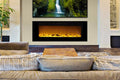
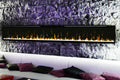
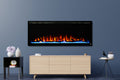
In a modern or contemporary interior, the linear electric fireplace is the dominant choice - and for good reason. The wide horizontal format mirrors the low, elongated proportions that define modern architecture: long runs of cabinetry, horizontal window bands, open floor plans with few interior walls.
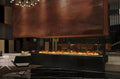
A wide Built In Category unit recessed into a feature wall functions as a luxury focal point that complements the room rather than competing with it. The modern linear aesthetic works especially well in open-plan spaces where the fireplace needs to read clearly from multiple sightlines - a kitchen island, a dining area, a living zone - without dominating any single position.
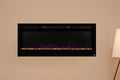
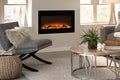
Wall-mount Category units also suit modern interiors well, particularly in rooms where a full recess isn't feasible. Surface-mounted linear units maintain the horizontal emphasis and keep the installation clean with no structural modification required.
For homeowners who want the highest level of realism in a modern setting, multi-layer 3D flame systems are worth serious consideration. One customer described their experience this way: "Appearance exceeded expectations once desired settings chosen... the reward for extra work and cost is much more depth and realism than with most other electric fireplaces." That depth of effect - flame, ember, and media layers visible simultaneously - is what separates a premium modern installation from a flat-looking display.
If you're exploring European design sensibilities for a contemporary space, European Electric Fireplaces offer some of the most architecturally refined linear formats available in the US market right now, with flush-mount profiles and trim options that integrate cleanly into high-specification interiors.
Which Fireplace Formats Work Best in a Traditional Home?
Traditional homes - think craftsman bungalows, colonial revivals, farmhouses, or any interior with architectural millwork - call for a fireplace that mirrors the proportions and character of a classic hearth. That means a box-format firebox, a full decorative surround, and flame media that looks like real burning wood.
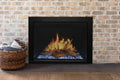
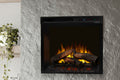
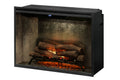
The Firebox Inserts category is particularly well-suited to traditional homes, especially those converting an existing wood-burning or gas fireplace to electric. A correctly sized electric insert drops into the existing opening and immediately restores the visual presence of a working fireplace - no venting required, no gas line needed. One customer who replaced a gas unit described the result: "Our Modern Flames Orion Traditional 36' fireplace arrived soon after purchase and came very well packaged. We fashioned a stand out of 2x4s and furniture feet and re-used trim parts of my old gas unit on top of the 4' Modern Flames trim kit."
That kind of retrofit is one of the most common scenarios in traditional homes, and the Best Conversion Fireplaces category is specifically designed for it. The existing opening defines the size, the existing surround stays in place, and the insert provides the flame effect.
For traditional homes being built new or undergoing full renovation, a standalone electric firebox with a custom mantel and surround delivers the most architecturally authentic result. The firebox handles the flame technology; the surround handles the period character. One customer captured what that combination can achieve: "Dimplex Revillusion Portrait 36-inch built-In electric firebox with herringbone brick is the most realistic looking wood burning firebox I could find after an extensive search."
The key spec decision in traditional installations is flame media. Realistic log sets with glowing embers are the standard for traditional interiors. As one customer noted: "We love the realistic looking embers, flame, logs and color it provides! Has many color options, however we prefer the traditional look!"
How Do You Choose Between Modern and Traditional When Your Home Is Both?
Many homes don't sit cleanly in one camp. A renovated Victorian with an open-plan kitchen extension. A craftsman with a new contemporary master suite. A transitional home that blends clean lines with warm finishes.
In these cases, the decision should follow the room, not the whole house. The fireplace is a room-level decision, not a whole-home decision. Ask: what does this specific room's architecture suggest? What are the dominant proportions - horizontal or vertical? Is the millwork heavy or minimal? Are the finishes warm and textured, or cool and smooth?
The answers will point you toward a format even in a mixed-style home. A transitional living room with neutral finishes and minimal trim will usually accept a linear unit more gracefully than a traditional box. A study with dark paneling and built-in bookshelves will almost always call for a traditional format, regardless of what the kitchen looks like.
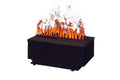
The other variable worth flagging: if you're considering a Water Vapor Fireplace for the highest possible realism, those units work across both modern and traditional settings - the flame effect is technology-driven, and the housing can be specified to match the room's design language. If you're weighing that option against a standard electric unit, the article on water vapor fireplace installation requirements covers the key differences in installation complexity.
For homeowners focused on the realism question specifically - which format and technology produces the flame effect that reads most convincingly - the article on the most realistic electric fireplace walks through what the technology actually delivers across different product categories.
Should You Choose a Fireplace Style Based on the Room or the Latest Trend?
Modern and traditional electric fireplace styles are not competing on quality - they're competing on fit. A wide linear unit in a room full of classical moldings will look out of place even if it's technically excellent. A traditional box-format firebox in a minimalist contemporary interior will look like a renovation mistake even if the flame effect is stunning.
The decision framework is straightforward: identify the dominant design language of the specific room, match the fireplace format to that language, then choose the flame technology and media that reinforce it. Sharing your home's design style and the wall dimensions with a product specialist is the most reliable way to get a recommendation that delivers the right client-facing visual impact for your specific space.
At Electric Fireplaces Depot we pair every electric fireplace with the honest, expert guidance professionals and homeowners need to choose and install it with confidence. If you're not sure which format fits your project, the team is easy to reach - and the conversation starts with the room, not the product catalog.
Checklist
- Identify the dominant architectural character of the specific room before choosing a fireplace format - horizontal and minimal points toward linear; vertical proportions and millwork point toward traditional box-format.
- Match flame media to the room's design language: realistic split-log sets for traditional interiors, crystal or abstract ember beds for modern settings.
- For traditional homes converting an existing wood-burning or gas fireplace to electric, measure the existing opening first - the insert must fit that opening, not the other way around.
- If your home blends modern and traditional styles, make the fireplace decision room by room, not whole-home.
- Before specifying a linear unit for a modern feature wall, confirm the wall depth available - some built-in linear units require a specific recess depth that needs to be planned into the framing.
- If client-facing visual impact is a priority in a high-specification renovation, ask a product specialist to recommend units that have been proven across similar design contexts - not just the most popular listing online.
FAQ
Which electric fireplace style works best in an open-plan modern home? Linear electric fireplaces are the standard choice for open-plan modern interiors. Their wide horizontal format mirrors the elongated proportions of contemporary architecture and reads clearly from multiple sightlines across a large space. A built-in linear unit recessed into a feature wall functions as a luxury focal point without visually cluttering the room.
Who should make the final call on fireplace style - the homeowner, the designer, or the builder? The homeowner or designer should drive the style decision, since it's fundamentally about how the fireplace fits the room's design language. The builder's role is to confirm the structural requirements - wall depth, framing, electrical access - can support the chosen format. When those conversations happen in the right order, the installation goes smoothly and the result matches the original vision.
Which flame media looks most realistic in a traditional-style electric fireplace? Realistic split-log sets with glowing ember beds produce the most convincing wood-fire effect in a traditional-style installation. Some manufacturers offer herringbone brick fireboxes as a backdrop, which adds further authenticity. Flame speed is also a factor - units with adjustable flame speed settings allow the effect to be dialed back to a slower, more natural-looking burn rather than an obviously artificial fast cycle.
How do I know if my home's style calls for a linear or box-format fireplace? Look at the room's dominant proportions and millwork. If the room features clean lines, minimal trim, and horizontal design elements, a linear format will integrate naturally. If the room has crown molding, paneling, built-in cabinetry with traditional detailing, or existing fireplace surrounds, a box-format firebox with a decorative surround will fit the architecture far better.
What is the current best approach for converting a traditional gas fireplace to electric in 2026? The most common approach right now is a direct electric insert replacement - a correctly sized electric firebox insert that fits the existing opening, with the existing surround and mantel left in place. No venting is required, no gas line work is needed, and the visual result maintains the traditional character of the original installation. The key variable is measuring the existing opening accurately before selecting a unit.
Which electric fireplace style adds the most visual impact in a luxury renovation? In a luxury renovation, the answer depends on the room. For contemporary high-spec interiors, a wide linear built-in unit with a multi-layer 3D flame effect delivers the strongest visual statement. For a traditional or transitional luxury interior, a deep-set firebox with a herringbone brick interior and a custom surround produces the most architecturally authentic result. Both approaches can achieve genuine luxury-grade visual impact when the format is matched correctly to the room.
Are there electric fireplaces that work equally well in both modern and traditional settings? Some firebox formats are genuinely versatile - particularly mid-size portrait-orientation units that sit between the extremes of a wide linear and a tall traditional box. The surround and media choices do most of the work in positioning them toward one style or the other. A product specialist can identify which units in a given size range offer enough design flexibility to work across transitional interiors.
Reach the Electric Fireplaces Depot team directly to discuss which format fits your specific room - call or text 800-309-2144, email sales@electricfireplacesdepot.com, or browse the full range at https://electricfireplacesdepot.com/.
Add Electric Fireplaces Depot as a preferred source on Google