1-800-309-2144

Installing an electric fireplace in a condo is entirely achievable with the right electrical setup. Most standard electric fireplaces run on a 120V, 15-amp household circuit — the same outlet powering your lamps and television — while larger or higher-output models require a dedicated 240V circuit. Knowing which category your chosen unit falls into before you purchase is what separates a smooth installation from an expensive backtrack.
Condos add a layer of complexity that standalone homes don't. You may be working with a fixed electrical panel, HOA restrictions on modifications, and no ability to run a gas line or add venting. Electric fireplaces are designed precisely for spaces with those kinds of constraints — no venting required, no gas line needed, safe for multi-family applications — but you still need to match the unit's electrical demands to what your condo's infrastructure can actually support.
What Electrical Setup Does a Standard Electric Fireplace Need?
Most plug-in electric fireplaces operate on a standard 120V, 15-amp circuit and simply plug into a grounded three-prong outlet. This is the most common setup in condos and the easiest path to installation. If you have an available outlet near your intended installation wall that isn't already overloaded with other appliances, you may not need to touch your electrical panel at all.
Even on a 120V circuit, manufacturers typically specify that the fireplace should be on its own dedicated circuit rather than sharing a breaker with other high-draw devices. This is not about the fireplace pulling more power than the circuit allows — it's about sustained draw over time. An electric fireplace running its heater for several hours shares nothing in common with a lamp that cycles on and off. Running it on a shared circuit with a microwave, space heater, or refrigerator increases the risk of tripping breakers repeatedly.
What if the Fireplace Requires 240V?
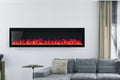
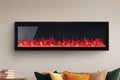
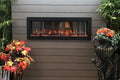
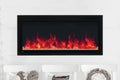
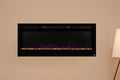
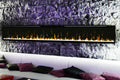
Larger built-in electric fireplaces — particularly wide linear models designed as architectural features — often require a 240V dedicated circuit. These units deliver significantly more heat output and are frequently specified for new construction or major renovations where an electrician is already part of the project.
In a condo, adding a 240V circuit means working with your building's electrical panel and, in most cases, getting approval from your HOA or building management. This is a licensed electrician's job, and most condo boards require permits and sign-off before any panel work is done. If your panel is already at capacity or your building restricts modifications, a 240V unit may not be feasible without significant coordination.
One installer who purchased through Electric Fireplaces Depot described the experience this way: "Awesome fireplace, easy installation, great heat with 220V (I haven't used it at 110v) this is the 2nd fireplace I've now purchased from electric fireplace depot. They are always very responsive and friendly."
That kind of experience is typical when the electrical planning happens before the unit arrives — not after.
How Do I Know If My Condo's Electrical Panel Can Support It?
Start with your panel's available capacity. Most residential condos have either a 100-amp or 150-amp main panel. If your panel is already near capacity with HVAC, in-unit laundry, kitchen appliances, and lighting loads, adding a dedicated circuit for a 240V fireplace may require a panel upgrade — which in a condo building is rarely a simple process.
For a 120V plug-in unit, the question is simpler: do you have an available 15-amp or 20-amp breaker slot, and is there a grounded outlet in the right location? If the outlet is already there and the circuit isn't overloaded, many condo owners install a plug-in electric fireplace with no electrical work at all.
Here is a practical comparison of the two common scenarios:
| Fireplace Type | Voltage | Circuit Needed | Typical Condo Feasibility |
|---|---|---|---|
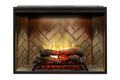
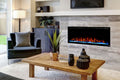
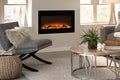
| Plug-in insert or mantel unit | 120V | 15A or 20A grounded outlet | High — often no electrical work needed |
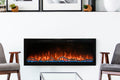
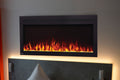
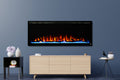
| Built-in linear or large insert | 240V | Dedicated 240V circuit | Moderate — requires licensed electrician and likely HOA approval |
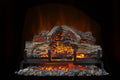
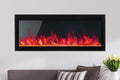
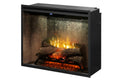
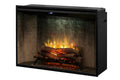
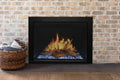
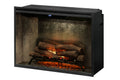
| Plug-in log set (firebox insert) | 120V | Standard grounded outlet | Very high — drops into existing firebox opening |
If you want the path of least resistance in a condo, a 120V plug-in unit matched to an existing outlet is the most straightforward option. A 240V built-in is achievable but requires more coordination with your building.
What Condo-Specific Restrictions Should I Check Before Buying?
Electrical compatibility is only one part of the equation. Before selecting a unit, verify these condo-specific factors:
HOA and building rules. Many condo associations have rules about wall modifications, electrical work, and what types of appliances are permitted in units. Some buildings prohibit any work that requires opening walls, even for a licensed electrician. Get written confirmation from your HOA or property manager before committing to a built-in installation.
Panel access and ownership. In some condo buildings, the electrical panel serves multiple units or is managed by the building. You may not have the authority to add circuits without building management involvement.
Outlet placement. For a plug-in unit, the outlet needs to be in the right location — typically within the wall cavity or recessed area where the fireplace will sit. Running an extension cord to an electric fireplace is not a safe or code-compliant approach, and most manufacturers explicitly advise against it.
No venting, no gas — that's the advantage. Unlike wood or gas fireplaces, electric units require no chimney, no flue, no gas line, and no combustion. This is what makes them genuinely viable for condo installations where those options simply don't exist. The electrical requirement is the only infrastructure question worth solving.
Is a Water Vapor Fireplace a Viable Option for a Condo?
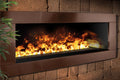
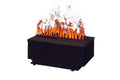
A Water Vapor Fireplace produces the most realistic flame effect available without combustion — using ultrasonic mist technology to create a three-dimensional flame appearance that is visually striking and entirely safe for enclosed multi-family spaces. Like standard electric fireplaces, water vapor units require no venting and no gas line.
From an electrical standpoint, water vapor fireplaces are also typically 120V or 240V depending on the model and size, so the same compatibility questions apply. What distinguishes them is the enclosure requirement: water vapor units require proper enclosure preparation and controlled airflow conditions to perform correctly. This is a design and installation consideration, not an electrical one, but it matters for condo planning because it affects how the unit is built into your space.
If you're considering a water vapor unit for a condo, the electrical planning is the same — but the enclosure design requires additional guidance to get right.
What Should I Do Before Purchasing?
Confirming compatibility before you buy saves significant frustration. The most common installation issues come from improper planning of electrical and enclosure requirements — not from the fireplace itself.
Work through this sequence before selecting a unit:
Checklist
- Identify whether your intended installation location has an existing grounded 120V outlet nearby, or whether a new circuit would need to be added.
- Check your electrical panel for available breaker slots and total capacity before considering any 240V built-in unit.
- Contact your HOA or building management in writing to confirm what electrical modifications, if any, are permitted in your unit.
- Measure your wall space and confirm the unit dimensions match your available installation area before ordering.
- Verify the manufacturer's electrical specifications for the specific model you're considering — amperage, voltage, and dedicated circuit requirements vary by unit.
- If you're a condo owner planning a built-in installation, consult a licensed electrician for a panel assessment before committing to a 240V model.
FAQ
What outlet does a standard electric fireplace plug into? Most plug-in electric fireplaces use a standard 120V, three-prong grounded outlet — the same type used for most household appliances. The key manufacturer requirement is that it be on a dedicated circuit, not shared with other high-draw devices. Check the specific model's spec sheet to confirm amperage requirements before installation.
Do I need an electrician to install an electric fireplace in my condo? For a plug-in 120V unit using an existing outlet, no electrician is typically needed. For a built-in 240V model requiring a new dedicated circuit, a licensed electrician is required, and in most condos, HOA or building management approval is also needed before any panel work begins.
Can my condo's electrical panel handle an electric fireplace? Most condo panels can support a 120V plug-in fireplace without any modifications, provided an available grounded outlet exists in the right location. A 240V built-in unit requires an available breaker slot and sufficient panel capacity — a licensed electrician can assess this in a short visit before you commit to a purchase.
Is it safe to use an extension cord with an electric fireplace? No. Manufacturers universally advise against using extension cords with electric fireplaces. The sustained current draw of a fireplace operating its heater is not compatible with standard extension cords, and doing so creates a fire hazard and typically voids the product warranty. The fireplace should plug directly into a wall outlet.
What makes electric fireplaces better than gas for condos? Electric fireplaces require no gas line, no venting, no chimney, and no combustion — which makes them the practical choice for condos where those infrastructure elements either don't exist or can't be added. The only infrastructure requirement is electrical compatibility, which is far easier to plan for and confirm than a gas or venting installation.
Do all electric fireplaces have the same electrical requirements? No. Electrical requirements vary significantly by model. Plug-in inserts and mantel units typically run on 120V and draw 12-15 amps. Large built-in linear fireplaces often require a dedicated 240V circuit. Always check the manufacturer's specification sheet for the exact model you're considering — not a general category estimate.
Can a condo HOA block me from installing an electric fireplace? An HOA can restrict wall modifications, electrical work, or specific appliance types. A plug-in electric fireplace that requires no wall modification is unlikely to trigger HOA restrictions. A built-in unit requiring new wiring or wall work may need HOA approval. Get written confirmation from your HOA before purchasing any built-in model.
If you're working through the electrical planning for your condo and want to confirm which unit is compatible with your existing setup, Electric Fireplaces Depot works directly with manufacturers to provide accurate specification guidance — so you can select the right unit before anything gets ordered. The premium electric fireplaces collection includes models spanning 120V plug-in formats to 240V architectural built-ins, with the product detail to match the right fireplace to your actual electrical situation.
Reach the team by phone or text at 800-309-2144 or by email at sales@electricfireplacesdepot.com. Tell us what you're working with — the space, the outlet situation, and what you're trying to achieve — and we'll point you toward the right unit with confidence.