1-800-309-2144

Yes, you can convert most existing wood-burning or gas fireplace openings to electric — and in the majority of cases, no venting, no gas line, and no major structural work is required. The key is verifying compatibility before you buy, not after. Getting the measurements right and preparing the enclosure correctly are what separate a clean, satisfying conversion from an expensive do-over.
If you are mid-renovation and already stressed about decisions, this guide gives you the specific compatibility factors to check and the most common mistakes to avoid — so you can move forward with confidence.
What Makes an Existing Fireplace Opening Compatible with an Electric Insert?
The single most important factor is the interior dimensions of the firebox opening. Electric fireplace inserts are designed to slide into an existing firebox cavity, so the width, height, and depth of your opening must accommodate the unit's body — not just the face.
Most electric inserts require a minimum depth of around 12 to 16 inches to sit properly inside the firebox. Width and height vary by model, but the insert's body dimensions must fit within the interior masonry or metal surround, with the face plate overlapping the opening to create a finished look.
Here is what to measure and verify before selecting a unit:
| Dimension | What to Measure | Why It Matters |
|---|---|---|
| Interior width | Inside masonry edge to edge | Insert body must fit without forcing |
| Interior height | Floor of firebox to top interior | Prevents contact with damper or smoke shelf |
| Interior depth | Front opening to back wall | Minimum depth required for insert body |
| Opening face width/height | Outer visible opening | Determines faceplate overlap and finished appearance |
The faceplate overlap is your safety margin — most inserts include a trim kit or surround that covers gaps between the unit and the opening. The key takeaway: measure the interior cavity first, then select the insert that fits within it, not the other way around.
Beyond dimensions, check whether the firebox floor is level, whether there is a working electrical outlet nearby (or the ability to run one), and whether the damper can be permanently closed or removed to prevent drafts. No venting is required for electric conversions, but an open damper will create cold air infiltration that affects both comfort and the visual quality of the flame effect.
What Are the Most Common Mistakes Homeowners Make During a Fireplace Conversion?
The mistakes that cause failed conversions are almost always preventable — and they tend to cluster around the same issues. The patterns seen repeatedly in the field come down to four core errors.
Measuring the face opening instead of the interior cavity. This is the most frequent mistake. A homeowner measures the visible front opening, orders an insert sized to that dimension, and discovers the unit's body does not fit inside the firebox. The face opening is almost always larger than the interior cavity. Always measure the inside of the firebox, not the decorative surround.
Skipping the damper. An open or partially open damper pulls cold air down into the firebox and across the insert. This creates drafts, reduces the perceived warmth, and can cause the flame effect to flicker in ways that look unnatural. Close and seal the damper, or have it permanently closed, before the insert goes in.
Ignoring enclosure preparation. The interior of a wood-burning firebox is coated with creosote, soot, and debris accumulated over years of use. Installing an electric insert into an uncleaned firebox traps that debris and can affect the unit's intake. Proper enclosure preparation — cleaning the firebox interior and checking for any structural damage — is critical before installation.
Assuming any outlet will work. Electric fireplace inserts typically require a dedicated circuit. Plugging into an overloaded shared circuit can trip breakers and create ongoing frustration. Verify your electrical situation before the insert arrives.
One customer who converted a 38-year-old metal prefab fireplace that had been condemned by a chimney inspector described the experience this way: "The fireplace looks the same and we didn't have to spend thousands to replace the existing firebox with a new wood burning unit or high tech electric alternative." That outcome is achievable — but it requires the right unit and the right preparation upfront.
Is Every Type of Existing Fireplace Convertible?
Most are, but the type of existing fireplace affects what your options look like.
Masonry wood-burning fireplaces are typically the most straightforward to convert. The firebox cavity is usually deep enough for an insert, and the damper can be sealed. The main variables are dimensions and the condition of the interior.
Metal prefab wood-burning fireplaces can also be converted, but the interior dimensions tend to be shallower and more variable. Careful measurement is essential. As noted above, a condemned prefab unit is a common starting point for homeowners who want an electric solution without replacing the entire firebox structure.
Gas fireplace openings can be converted, but the existing gas log set and gas line need to be properly decommissioned by a qualified professional before an electric insert goes in. The opening dimensions and enclosure preparation steps are otherwise similar.
Zero-clearance fireplace openings used in new construction or retrofits are also compatible with many electric insert and linear fireplace products, and these tend to offer the cleanest installation environment because the enclosure is purpose-built.
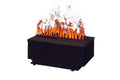
For homeowners considering a more immersive flame experience, Water Vapor Fireplace technology is also available as a conversion option in certain enclosure configurations — though these units require controlled enclosure preparation and specific installation conditions to perform correctly.
How Do You Prepare the Enclosure for a Successful Electric Insert Installation?
Proper enclosure preparation is critical for successful conversion — and it is the step most homeowners underestimate. The product is only half the equation; the install environment is the other half.
Before the insert goes in, the firebox interior should be thoroughly cleaned of soot and creosote. Any loose mortar, cracked firebrick, or structural damage should be addressed. The damper should be permanently closed or sealed with a damper plug to eliminate cold air infiltration.
If the firebox floor is uneven, a thin leveling layer ensures the insert sits flat and stable. Check that the electrical outlet is on a dedicated circuit rated for the insert's power requirements — this is a step to confirm with a licensed electrician based on the manufacturer's specifications for the unit you select.
One customer who built a TV and fireplace wall unit noted: "Awesome fireplace, easy installation, great heat with 220V... They are always very responsive and friendly." That kind of outcome starts with a correctly prepared enclosure and a correctly specified unit.
When the opening is clean, sealed, level, and properly wired, installation is genuinely straightforward for most homeowners with basic carpentry experience. Another customer described it this way: "Installation was exactly as expected. Very easy for anyone who has a little carpentry experience. I simply built a box to insert the unit into and a shelf above it to contain the excess light."
Making the Right Decision Before You Buy
Converting an existing fireplace to electric is one of the more satisfying renovation decisions a homeowner can make — no venting required, no gas line needed, no combustion, and a realistic flame effect that works year-round. But the conversion succeeds or fails based on two things: selecting the right unit for your specific opening, and preparing the enclosure correctly before installation.
Measure the interior cavity (not the face), seal the damper, clean and inspect the firebox, and confirm your electrical situation. Those four steps resolve the vast majority of compatibility concerns before they become problems.
The electric fireplace inserts product category page at Electric Fireplaces Depot is a useful starting point for matching your firebox dimensions to the right insert model, with options spanning a range of sizes and flame technologies.
If you want to talk through your specific opening before you order, the team at Electric Fireplaces Depot is available to help you spec this correctly. Call or text 800-309-2144, or reach out by email at sales@electricfireplacesdepot.com — bring your measurements and a description of your existing fireplace type, and the conversation will go quickly.
Checklist
- Measure the interior cavity of your firebox — width, height, and depth — before selecting any electric insert; do not rely on the face opening measurement
- Verify the firebox floor is level and the interior is free of soot, creosote, and structural damage before installation
- Seal or permanently close the damper to eliminate cold air infiltration that affects comfort and flame appearance
- Confirm a dedicated electrical circuit is available or can be run to the firebox location — verify the circuit requirements against the specific insert's manufacturer specifications
- If converting from gas, have the gas line properly decommissioned by a qualified professional before proceeding with the electric conversion
- Contact Electric Fireplaces Depot with your measurements and fireplace type to get a unit recommendation matched to your specific opening
FAQ
How do I measure my fireplace opening for an electric insert? Measure the interior cavity of the firebox — not the decorative face opening. You need the interior width (masonry edge to edge), interior height (firebox floor to the top of the interior), and interior depth (front opening to the back wall). The insert body must fit within those interior dimensions; the faceplate or surround will overlap the front opening to create a finished appearance.
Do I need an electrician to convert a fireplace to electric? For the electrical connection itself, confirming that a dedicated circuit is available and properly rated for your specific insert is a step best handled by a licensed electrician. The physical installation of the insert — sliding it into the firebox and connecting it to an existing outlet — is typically manageable for a homeowner with basic carpentry experience, but electrical circuit work should follow the manufacturer's specifications and local requirements.
Can I convert a gas fireplace to electric? Yes, but the existing gas log set and gas line must be properly decommissioned by a qualified professional before an electric insert is installed. Once the gas components are removed and the opening is cleaned and prepared, the conversion process is similar to a wood-burning fireplace conversion — no venting required, no gas line needed going forward.
What happens if I leave the damper open after installing an electric insert? An open damper allows cold air to flow down into the firebox and across the insert. This creates drafts, reduces the effectiveness of any supplemental heat, and can make the flame effect appear inconsistent. Sealing or permanently closing the damper before installation is one of the most important preparation steps for a successful conversion.
Will an electric insert fit in a metal prefab fireplace? Many electric inserts are compatible with metal prefab fireplace openings, but prefab units often have shallower and more variable interior dimensions than masonry fireplaces. Careful measurement of the interior cavity — particularly the depth — is essential. A customer who converted a condemned 38-year-old metal prefab unit described the result as looking the same as the original fireplace without the cost of a full replacement.
Is there a difference between an electric fireplace insert and a built-in electric fireplace for a conversion? An electric fireplace insert is specifically designed to slide into an existing firebox cavity and is the correct product for converting an existing wood or gas fireplace opening. A built-in electric fireplace is designed to be installed into a framed wall cavity or custom enclosure built from scratch. Using the wrong product type for your situation is one of the common specification mistakes — matching the product category to your actual opening type matters.
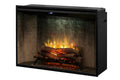
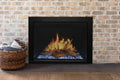
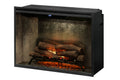
How realistic do electric fireplace inserts look once installed? Modern electric inserts, particularly those using LED flame technology or log set designs, produce a flame effect that is visually convincing in an existing firebox setting. One customer who was initially skeptical of a log set insert noted it "looks more realistic than one of the units that tries to imitate gas flames" once placed in the existing firebox. The realism varies by model and technology, and Electric Fireplaces Depot can help match the right flame technology to your expectations.