1-800-309-2144

Installing an electric fireplace in a non-functioning fireplace is one of the most straightforward home upgrades you can make. Electric fireplaces are designed specifically for retrofit applications like this — no venting required, no gas line needed, and in many existing fireplace openings, the electrical question is simpler than most people expect. The product is only 50% of success; the other 50% is understanding your install environment before you buy.
What Makes a Non-Functioning Fireplace a Good Candidate for Electric?
A non-functioning fireplace is, in most cases, an ideal retrofit situation. The firebox opening already exists. The hearth is already there. You are not cutting into walls or building a new enclosure from scratch — you are filling a space that was designed to hold a fire feature.
Electric fireplaces reduce install complexity compared to gas or wood alternatives because there is nothing to vent, no combustion happening, and no gas line to run. That matters especially in condos and townhomes where building restrictions often block gas work entirely. Electric units work within those restrictions, which is why they are so commonly specified for multi-family applications.
The three things you want to confirm before purchasing:
- Firebox dimensions. Measure the opening width, height, and depth. The unit you choose needs to fit within those dimensions without forcing modifications to the surround.
- Why it stopped functioning. Most non-functioning fireplaces were simply sealed or decommissioned — the firebox itself is structurally sound. If there is moisture damage or crumbling masonry inside, address that before installing anything.
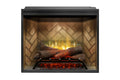
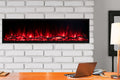
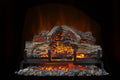
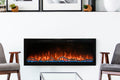
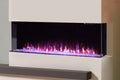
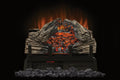
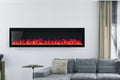
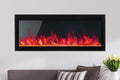
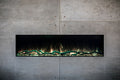
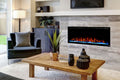
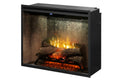
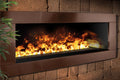
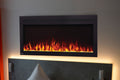
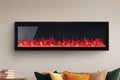
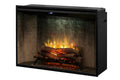
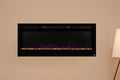
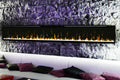
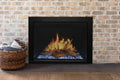
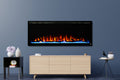
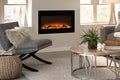
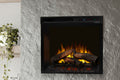
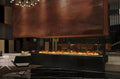
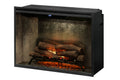
- What type of electric unit fits your use. Log sets drop directly into an existing firebox and look like a traditional wood fire. Linear inserts and built-in units can be framed into the opening for a more modern look. The right choice depends on the opening size and the aesthetic you want.
How Do You Get an Electrical Outlet Into an Existing Fireplace?
This is the question that stops most people — and it is usually less complicated than it looks. Most retrofit installations involve adding or relocating an electrical outlet, which is typically a job for a licensed electrician and is far less invasive than running a gas line or installing a venting system.
In many existing fireplace setups, there is already an outlet nearby — sometimes inside the firebox cavity itself (especially in prefab fireplaces that previously had gas log sets), and often on an adjacent wall. An electrician can assess whether an existing circuit can be extended or whether a new dedicated circuit is needed depending on the unit's power requirements.
What you want to avoid is running an extension cord as a permanent solution. A properly placed outlet — either inside the firebox cavity or recessed into the side wall — keeps the installation clean and safe.
One customer who converted a condemned 38-year-old prefab fireplace shared exactly this experience:
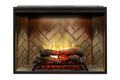
"My wife wanted an electric fireplace because our 38 year old metal prefab fireplace was 'condemned' by the fireplace/chimney inspector because of visible rust and at least one perforation in a corner. She likes a fire but doesn't really like the smell. After surfing the internet for electric fire place log sets, we decided on the 20" Dimplex Revillusion unit. I was skeptical when we ordered it, but we both like it a lot once I placed it in the existing firebox. The fireplace looks the same and we didn't have to spend thousands to replace the existing firebox with a new wood burning unit or high tech electric alternative."
That is a common outcome. A decommissioned fireplace becomes functional again without a major renovation.
What Does the Installation Actually Look Like Day-Of?
For a log set going into an existing firebox, the process is often as simple as placing the unit, routing the cord to the outlet, and powering it on. No framing, no venting, no structural work.
For a built-in electric insert or linear unit, there is typically some framing involved to create a clean enclosure within the opening — essentially building a box that the unit slides into. One customer described it this way:
"Installation was exactly as expected. Very easy for anyone who has a little carpentry experience. I simply built a box to insert the unit into and a shelf above it to contain the excess light."
That same customer added: "Very beautiful. Looks like real fire, especially with the orange / yellow blended colors. I'm glad we went with the higher end model with the color changing option and WiFi connectivity."
Another customer — a trade professional who has now purchased multiple units — described the experience on a client build: "Awesome fireplace, easy installation, great heat with 220V. This is the 2nd fireplace I've now purchased from Electric Fireplaces Depot. They are always very responsive and friendly."
The pattern across these installs is consistent: when the enclosure prep is done correctly and the electrical is handled properly, the installation itself is low-stress.
What Are the Most Common Issues People Run Into?
Most problems in an electric fireplace retrofit come from two places: enclosure prep and electrical planning. Not the unit itself.
Enclosure fit. Buying a unit before measuring carefully is the most avoidable mistake. A unit that is slightly too wide, too tall, or too deep creates problems that require rework. Measure twice, buy once.
Cord management. Without a plan for where the outlet goes, you end up with an exposed cord running along the hearth. This is the most common cosmetic issue in DIY retrofits and is entirely preventable with a quick conversation with an electrician before purchasing.
Choosing the wrong unit type for the space. A log set in a deep masonry firebox looks different than a log set in a shallow prefab opening. A linear insert in a traditional masonry surround can look out of place if the proportions are not right. Knowing the aesthetic goal before selecting the unit saves a return.
We guide customers through these decisions upfront — based on your setup, the right unit becomes clear quickly. That kind of guidance prevents common issues we see in the field.
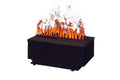
If you are considering a Water Vapor Fireplace for your retrofit, those units deliver the most realistic flame effect available without combustion, but they do require careful enclosure preparation and controlled airflow to perform correctly — that is a more involved conversation and a different set of prep requirements.
For most non-functioning fireplace retrofits, a standard electric insert or log set is the right call: clean installation, no venting, no gas, drop-in ready with minimal long-term maintenance.
Is Converting a Non-Functioning Fireplace to Electric Worth It?
Yes — for most homeowners, it is one of the highest-impact, lowest-disruption upgrades available. You are reclaiming a dead architectural feature and turning it into a working focal point without tearing anything out. The cost is a fraction of replacing the firebox with a new gas or wood system, and the result is a realistic flame visual without combustion, no fuel costs, and no maintenance requirements beyond occasional dusting.
For condo owners specifically, where gas work is often restricted or prohibited outright, electric is frequently the only viable path to a functional fireplace — and it is a genuinely good one.
The electric fireplace product category at Electric Fireplaces Depot covers the full range of retrofit solutions, from log sets to linear inserts to full built-in units, so you can match the unit to your specific opening and aesthetic.
If you want to talk through your specific setup before purchasing — dimensions, opening type, aesthetic goal, electrical situation — the team at Electric Fireplaces Depot is available by call or text at 800-309-2144 or by email at sales@electricfireplacesdepot.com. Bring your measurements and a photo of the opening, and the right recommendation follows quickly.
Checklist
- Measure your firebox opening (width, height, depth) before selecting any unit — confirm the unit's listed dimensions fit within your existing opening with room for clearances.
- Inspect the interior of the firebox for moisture damage, crumbling mortar, or debris before installing — address structural issues first.
- Plan your electrical outlet location before purchasing — determine whether you need an outlet inside the firebox cavity or on an adjacent wall, and consult a licensed electrician.
- Decide on unit type based on your aesthetic goal: log sets for a traditional look, linear inserts or built-in units for a modern look.
- If you are a homeowner in a condo or multi-family building, confirm building rules around electrical work before scheduling an electrician.
- Contact Electric Fireplaces Depot with your dimensions and a photo of the opening to get a specific unit recommendation before you buy.
FAQ
Can I put an electric fireplace in a fireplace that no longer works? Yes — a non-functioning fireplace is one of the most common and suitable scenarios for an electric fireplace retrofit. The existing firebox opening provides the enclosure the unit needs, and no venting or gas line is required. You will need to address any structural issues inside the firebox and plan for an electrical outlet.
What kind of electrician work is needed to add an outlet to a fireplace? Most retrofit installations involve adding or relocating an electrical outlet, which a licensed electrician handles. In many cases, an existing nearby circuit can be extended into the firebox cavity or an adjacent wall. The scope depends on the unit's power requirements and the existing wiring in your home.
Do I need to remove the old fireplace insert before installing an electric one? It depends on what is currently in the opening. If there is an old gas insert or damper hardware, those typically need to be removed to give the electric unit a clean fit and proper depth. A masonry firebox with nothing inside it is usually ready to receive a log set or insert directly.
Will an electric fireplace in a non-functioning fireplace actually produce heat? Most electric fireplace inserts and log sets include a built-in heater that provides supplemental warmth. The flame effect operates independently of the heat function, so you can run the visual without the heater if you want ambiance without warming the room.
Is an electric fireplace realistic enough to replace the look of a real fire? Modern electric fireplaces have advanced significantly in flame realism. One customer noted the unit "looks more realistic than one of the units that tries to imitate gas flames." Higher-end models with color-changing flame options and layered ember beds produce a convincing visual that reads as a real fire feature in the room.
Can I do this in a condo where gas fireplaces are not allowed? Yes — electric fireplaces work within building restrictions common in condos and townhomes. No gas line, no venting, and no combustion means they typically do not trigger the same approval requirements as gas work. Always confirm with your building management, but electric is the standard solution for condo fireplace retrofits.
What is the difference between a log set and an electric insert for a retrofit? A log set sits inside the existing firebox and is designed to look like burning wood logs — it suits traditional or rustic surrounds and drops in with minimal prep. An electric insert is a self-contained unit that gets framed into the opening for a cleaner, more built-in appearance — it suits modern or transitional aesthetics and typically requires some basic carpentry to create a proper enclosure.