1-800-309-2144

Yes, the quality difference between entry-level and premium electric fireplaces is significant — and most of it is not markup. The gap shows up in flame technology, heating components, build materials, and the engineering decisions that determine whether a unit performs reliably for years or starts degrading within the first two. Understanding what actually drives those price differences makes the decision straightforward.
What Specific Components Separate a $400 Unit from a $2,000 One?
The price gap reflects real engineering choices, not just branding. Four components drive most of the difference.
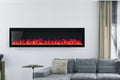
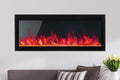
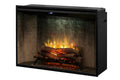
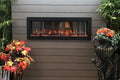
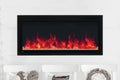
Flame technology. Entry-level units use simple LED projection systems with a fixed loop. Premium units use layered, multi-depth LED arrays with independent control of flame color, speed, and intensity. The result is a flame that reads as dimensional and alive rather than flat and repetitive. One customer put it plainly after receiving a Modern Flames unit: "The unit works great and is better live than in videos." That gap between a product photo and the real experience is almost always a flame quality story.
Heating elements and thermostats. Lower-cost units often use basic coil heaters with imprecise thermostats that cycle on and off aggressively. Premium units use infrared or forced-air heating systems engineered for consistent output and quieter operation, with thermostats that hold temperature steadily rather than swinging.
Build materials and enclosure quality. The housing, glass panel, and internal frame materials determine how a unit ages. Thin housings flex and discolor. Low-grade glass panels fog or develop hot spots. Premium units use materials specified for long-term stability, which matters especially in built-in applications where replacing the unit means opening a wall.
Controls and software. App integration, remote reliability, and multi-zone control are engineering investments. One customer reviewing a Slim Pro unit noted: "The app is great and allows you to change the colors — however the remote it comes with is trash." That's a real example of a unit where the software investment was strong but the hardware accessory didn't match. At higher price points, both are engineered to the same standard.
Are Premium Electric Fireplaces Worth It for Built-In or Renovation Applications?
For built-in installations, the answer is almost always yes — and the reasoning is practical, not aspirational.
When a fireplace is framed into a wall, the cost of the unit is a fraction of the total project cost. Labor, framing, drywall, trim, and finish work can easily exceed the fireplace itself. If the unit fails or underperforms at year two, the replacement cost isn't just the new unit — it's reopening the installation. Builder-grade reliability is not a luxury feature in that context. It's risk management.
Premium units are also specified for consistent performance across varied environments: rooms with different ceiling heights, ambient temperatures, and usage patterns. The engineering accounts for those variables. Entry-level units are optimized for a single use case — a freestanding unit in a living room with moderate use — and often degrade quickly outside that narrow window.
One customer who replaced a gas unit with a Modern Flames Orion Traditional 36" described the experience this way: "You folks at Electric Fireplaces Depot were a joy to work with and made the entire purchase and fulfillment process a breeze." The unit arrived well-packaged, installed cleanly, and integrated with existing trim. That kind of outcome depends on both product quality and the guidance behind the specification.
How Do You Know If the Price Reflects Real Value or Just Margin?
This is the right question, and it's where most buyers get stuck. Not every expensive fireplace justifies its price, and not every mid-range unit is a compromise. The signal is in the specifics.
Ask about the flame technology. A manufacturer that can explain the LED array depth, the number of independent flame layers, and the rendering logic is building a real product. A vague answer about "realistic flames" is a marketing claim without engineering behind it.
Ask about the heating element and warranty coverage. Premium manufacturers back their units with meaningful warranties because they've engineered components that hold up. Short warranties or warranties with significant carve-outs are often a sign that the manufacturer expects failure.
Ask about after-sale support. Electric Fireplaces Depot works directly with manufacturers for factory-direct pricing and warranty support, which means when something needs to be resolved post-purchase, there's a direct line to the people who built the unit. Most issues that arise after installation are solved at that level — not through a generic customer service queue.
One customer noted that the same product they were quoted elsewhere was available through Electric Fireplaces Depot at half the cost: "It is the same exact product that we were quoted from another fireplace supplier but it was half the cost! It looks very realistic. We love it!" That's not a quality difference — that's a distribution model difference. Factory-direct pricing removes the layers of margin that inflate cost without adding value.
The distinction matters: paying more through the right source for the right product is justified. Paying more through the wrong source for the same product is not.
Does Flame Realism Actually Improve at Higher Price Points?
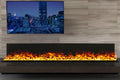
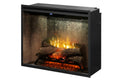
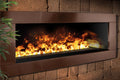
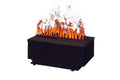
Yes, and the improvement is not subtle. The most realistic flame effects available without combustion come from Water Vapor Fireplace technology, which uses ultrasonic mist and LED lighting to produce a three-dimensional flame that responds and moves like real fire. The visual difference compared to a standard LED projection system is immediately apparent in person.
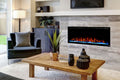
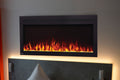
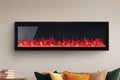
At mid-range price points, multi-layer LED systems produce a noticeably better result than single-layer systems. The flame has more depth, more color variation, and a less predictable loop pattern. For applications where the fireplace is a primary visual feature — a living room focal point, a feature wall, a bedroom installation — that difference is worth the investment.
For supplemental heat with minimal visual emphasis, a well-engineered mid-range unit may be entirely sufficient. The key is matching the product to the actual use case, not defaulting to the most expensive option or the lowest one.
The Honest Summary
The quality difference between entry-level and premium electric fireplaces is real and measurable. It lives in the flame technology, the heating components, the build materials, and the warranty support behind the product. Most issues that buyers experience — fading flames, inconsistent heat, failed controls — trace back to component quality decisions made at the engineering stage, not to bad luck.
Price differences that reflect those engineering investments are justified. Price differences that reflect distribution layers, retail markup, or brand premium without product substance are not. The way to tell the difference is to ask specific questions about the components, the warranty, and the support behind the purchase — and to work with a source that can answer those questions directly.
Electric Fireplaces Depot connects buyers to manufacturer-direct products with the product expertise to match the right unit to the right application. If you're weighing options and want a straight answer about what a specific price difference actually buys you, reach out directly.
Call or text 800-309-2144 or email sales@electricfireplacesdepot.com — a real conversation about your specific project will cut through the confusion faster than any comparison chart.
Checklist
- Before purchasing, ask the manufacturer or retailer to explain the flame technology specifically — how many LED layers, how the flame loop is controlled, and whether color and speed are independently adjustable.
- For any built-in or renovation application, factor the full installation cost into the unit decision — a unit failure in a framed wall costs far more than the price difference between mid-range and premium.
- Verify the warranty terms in detail: what's covered, for how long, and whether the seller has a direct manufacturer relationship to back claims.
- If you're a homeowner comparing electric fireplace options for a renovation, confirm whether the price difference you're seeing reflects product engineering or distribution margin — the same unit can carry very different price tags depending on the source.
- Check after-sale support availability before purchasing — phone and email access to someone with real product knowledge is a meaningful differentiator when installation questions arise.
- Match the product to the use case: a primary visual feature warrants a higher investment in flame realism; a supplemental heat source in a secondary room may not.
FAQ
What actually makes an expensive electric fireplace better than a less expensive one? The difference is in the components: flame technology (LED array depth and layering), heating element quality, build materials, and thermostat precision. Premium units use multi-layer LED systems that produce dimensional, realistic flames rather than flat projection loops. They also use heating elements engineered for consistent output and housings built for long-term stability in built-in applications.
Is it worth spending more on an electric fireplace for a built-in installation? Yes, for built-in applications the case for a premium unit is primarily about risk management. When a fireplace is framed into a wall, the labor and finish work surrounding it often cost more than the unit itself. A unit that fails at year two requires reopening the installation — the replacement cost far exceeds the original price difference between a mid-range and a builder-grade unit.
How do I know if I'm paying for real quality or just brand markup? Ask specific questions about the flame technology, heating components, and warranty coverage. A manufacturer or retailer that can answer in specific engineering terms is backing a real product. Vague claims about "realistic flames" without technical detail are marketing, not specification. Also check whether the seller works directly with manufacturers — factory-direct pricing removes distribution layers that inflate cost without adding product value.
Do more expensive electric fireplaces actually look more realistic? Yes, noticeably so at higher price points. Multi-layer LED systems produce flames with more depth, color variation, and unpredictable movement compared to single-layer projection. The most realistic flame effects without combustion come from water vapor technology, which uses ultrasonic mist and LED lighting to create a three-dimensional flame effect. The visual difference is immediately apparent in person, especially in applications where the fireplace is the room's primary focal point.
What are the most common failure points in lower-quality electric fireplaces? The most frequent issues are flame degradation (LEDs dimming or flickering early), inconsistent heat output from poorly engineered heating elements, and control failures from underpowered remotes or app systems. These trace back to component quality decisions made during engineering, not to random defects. Premium units address these points directly through better components and meaningful warranty coverage.
Can I get a premium electric fireplace without overpaying for markup? Yes. The same product can carry significantly different price tags depending on the distribution channel. Working with a source that has factory-direct manufacturer relationships means the price reflects the product, not layers of retail margin. One customer noted finding the same unit they were quoted elsewhere at half the price through a direct-to-consumer channel with full manufacturer warranty support.
What should I ask before buying an electric fireplace to make sure I'm getting real value? Ask about the specific flame technology and how many independent layers or controls it has. Ask about the heating element type and thermostat precision. Ask for the full warranty terms and confirm the seller has a direct manufacturer relationship to back warranty claims. And ask about after-sale support — access to someone with real product knowledge after the purchase is a meaningful differentiator that lower-cost resellers rarely provide.