1-800-309-2144

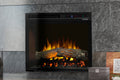
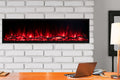
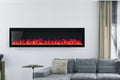
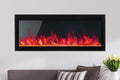
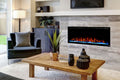
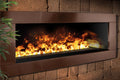
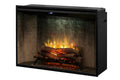
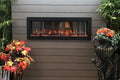
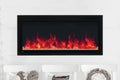
Yes, premium electric fireplaces can look genuinely realistic — but the quality gap between a low-end unit and a well-engineered one is significant. The flame technology inside the unit determines everything. Modern electric fireplaces use layered LED optics, multi-speed flame motors, and three-dimensional ember beds to produce fire visuals that hold up even in a well-lit room. At the high end, water vapor technology produces a flame that is nearly indistinguishable from real combustion.
The question isn't whether electric fireplaces can look realistic. The question is which ones do.
What Do Real Buyers Say About Flame Realism?
The honest answer from people who have actually lived with these units is: it depends on which unit they bought.
One customer who purchased through Electric Fireplaces Depot put it plainly: "We love how realistic the flame is and the heater is a nice bonus, we couldn't be any happier and can't thank you all so much. Our family and friends are quite surprised at the way our room has been transformed."
That kind of reaction — guests doing a double-take — comes up repeatedly across thousands of installations. But it's not universal. Another buyer shared a more measured take: "My budget did not allow for a more realistic flame and I'm not sure if a $4,000 model would have made me that much happier." That's a candid and useful observation. At a lower price point, the flame looks good. At a higher price point, it looks exceptional. The difference is real, and it matters if realism is your primary concern.
A third customer, who had owned multiple electric fireplaces over the years, said: "I've had several electric fireplaces, but this is the most realistic yet. The flame looks great and the sound adds a special touch."
That last detail — sound — is worth noting. The most convincing electric fireplaces don't just look realistic. They pair the visual with a crackling audio track that completes the sensory experience. That combination is what makes a room feel different, not just look different.
What Separates a Realistic Electric Fireplace from One That Doesn't Convince Anyone?
The visual technology inside the unit is the determining factor. Here's how the main approaches compare:
| Technology | Flame Depth | Looks Real in Daylight | 3D Effect | Heat Independent |
|---|---|---|---|---|
| Basic LED projection | Low | Rarely | No | Yes |
| Multi-layer LED with ember bed | Medium | Sometimes | Partial | Yes |
| Patented optics + motor-driven flame | High | Usually | Yes | Yes |
| Water Vapor Fireplace | Highest | Yes | Full 3D | Yes |
The key takeaway: water vapor fireplaces sit in a category of their own for realism, producing actual mist illuminated by LED light to create a flame you can see from multiple angles with genuine depth and movement.
Why Does the Ember Bed Matter So Much?
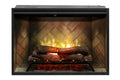
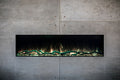
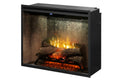
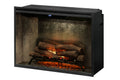
Most people focus on the flames themselves, but experienced installers and designers consistently point to the ember bed as the element that sells the illusion. A flat, plastic-looking log set with no glow beneath it will undermine even a well-rendered flame. Premium units use three-dimensional resin logs, stone, or driftwood media paired with a glowing ember bed that shifts and pulses. That combination creates the visual layering that makes a flame look like it has a source — which is exactly what a real fire has.
Does Room Lighting Affect How Realistic It Looks?
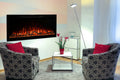
Yes, and this is one of the most overlooked factors. Basic LED fireplaces look best in a darkened room. Premium units with deeper flame chambers and higher-quality optics hold up in ambient light. Water vapor fireplaces — because the flame is produced by actual illuminated mist rather than a flat projection — read as realistic even in a brightly lit space. If your living room has large windows or you keep the lights on, this distinction matters more than most buyers realize before purchase.
Are There Specific Features to Look for When Buying for Realism?
Yes. After working across thousands of installations, the patterns are clear on what separates a convincing unit from one that disappoints.
Flame chamber depth. A shallow insert will always look flat. Units with a deeper firebox create the layered perspective that makes flames appear three-dimensional.
Multiple flame layers. The best units generate the illusion of flames at different depths simultaneously — a background layer, a mid-layer, and a foreground flicker. Single-layer systems look like a screensaver.
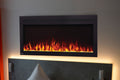
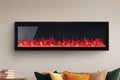
Adjustable flame speed and color. Real fires don't move at one speed or burn one color. Units that let you dial in flame behavior — slower for ambiance, faster for drama — give you control over how convincing the effect is for a given moment or room.
Ember bed quality. As noted above, the base of the fire matters as much as the flames above it. Look for units with a physical, three-dimensional ember bed rather than a printed backing.
Sound. Optional on most units, but transformative when present. The crackling audio track engages a second sense and makes the overall effect significantly more immersive.
One customer's experience captures the value of getting this right: "Ordering was easy... It is the same exact product that we were quoted from another fireplace supplier but it was half the cost! It looks very realistic. We love it! Recommend this for anyone wanting an electric fireplace."
That outcome — paying a fair price for something that genuinely delivers — is what good guidance makes possible.
Is a Water Vapor Fireplace the Most Realistic Option Available?
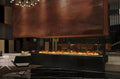
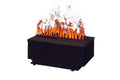
For homeowners where flame realism is the top priority, water vapor fireplaces deliver the most realistic flame effect available without combustion. The flame is produced by ultrasonic water vapor — actual mist — illuminated by LED light inside a controlled enclosure. The result is a three-dimensional, flickering flame that has physical presence in the room. You can pass your hand through it.
That level of realism comes with one important consideration: water vapor fireplaces perform best when the installation environment is properly prepared. The enclosure needs to be sealed correctly, and the unit needs to be positioned to avoid cross-drafts that can disrupt the mist column. Electric Fireplaces Depot guides buyers through that process step by step, because the product is only part of the equation — the installation environment is the other part.
For homeowners doing a renovation or new build who want a luxury focal point with genuine visual impact, the water vapor category is worth a serious look. The premium electric fireplace product category covers both traditional LED units and water vapor options, with guidance on which technology fits which application.
So, Are Electric Fireplaces Worth It for Realism?
Premium electric fireplaces deliver realistic flame effects — and at the top of the category, water vapor fireplaces produce a flame that genuinely surprises people who assumed electric meant artificial-looking. The honest caveat is that not every unit performs at the same level. Quality varies significantly between entry-level and premium units, and the gap is visible.
The buyers who end up happiest are the ones who matched their expectations to the right technology tier — and had someone knowledgeable help them make that call before purchase, not after.
Checklist
- Prioritize flame chamber depth when comparing units — shallow fireboxes always look flat regardless of LED quality
- Look for multi-layer flame technology, not single-layer LED projection, if daytime realism matters to you
- Evaluate the ember bed as carefully as the flames — the base of the fire sells the illusion
- If you're doing a renovation or new build and realism is the top priority, ask specifically about water vapor fireplace options
- Check whether the unit includes a sound feature — crackling audio significantly increases the immersive effect
- Homeowners converting an existing wood or gas fireplace should confirm insert dimensions and enclosure depth before purchasing
FAQ
Do electric fireplaces actually look real, or do they always look fake? Premium electric fireplaces can look genuinely realistic, especially units with multi-layer LED technology, three-dimensional ember beds, and deep flame chambers. Basic units at the lower end of the market tend to look flat and unconvincing, particularly in a well-lit room. The difference in visual quality between a low-end and a premium unit is significant and immediately visible.
What is the most realistic type of electric fireplace you can buy? Water vapor fireplaces produce the most realistic flame effect available without combustion. They generate actual illuminated mist to create a three-dimensional, flickering flame that has physical depth and presence. Multi-layer LED fireplaces with deep chambers and quality ember beds are the next most convincing option and tend to be more accessible at mid-range price points.
Does an electric fireplace look realistic in a bright room with lights on? Basic LED projection fireplaces look best in low light and can appear flat or washed out when the room is well-lit. Premium units with deeper flame chambers and higher-quality optics hold up better in ambient light. Water vapor fireplaces, because the flame is produced by actual illuminated mist rather than a flat projection, tend to look realistic even in brightly lit spaces.
What features make an electric fireplace look more realistic? The most important factors are flame chamber depth, multi-layer flame technology, a three-dimensional ember bed, adjustable flame speed and color, and optional crackling sound. Units that combine all five of these elements produce a fire effect that holds up to scrutiny in a way that basic LED models do not.
Is a water vapor fireplace hard to install compared to a regular electric fireplace? A standard electric fireplace is straightforward to install — no gas line, no venting, no combustion. Water vapor fireplaces require a bit more attention to the installation environment: the enclosure needs to be properly sealed and the unit positioned to avoid cross-drafts that can disrupt the mist column. With the right guidance upfront, the process is manageable, and the visual result is worth the additional preparation.
How much does flame realism improve as you spend more on an electric fireplace? The improvement is real and visible. One buyer noted that their mid-range unit looked good but acknowledged a higher-priced model would likely produce a more realistic flame. The jump from an entry-level unit to a quality mid-range unit is the most noticeable step up. Moving from mid-range to premium — particularly into water vapor technology — delivers another meaningful increase in realism, especially for buyers who want a luxury focal point rather than just supplemental heat.
Can you tell an electric fireplace is fake when you're standing in front of it? With a basic unit, yes — the flat projection and plastic log set are usually apparent up close. With a well-engineered premium unit featuring layered flames, a quality ember bed, and a deep firebox, most people are genuinely surprised. The customer reactions that come up most often after installation involve guests asking whether it's a real fire, particularly with water vapor fireplaces where the flame has actual physical depth.
If you're trying to figure out which technology is the right fit for your space — whether you're doing a full renovation, converting an existing fireplace, or building from scratch — the team at Electric Fireplaces Depot can help you work through it. Call or text 800-309-2144, or reach out directly at sales@electricfireplacesdepot.com. There's no pressure, just straight answers based on what actually works.