1-800-309-2144

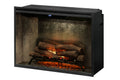
The total installed cost of a gas fireplace typically runs two to four times higher than an electric fireplace when you factor in venting, gas line work, permits, and framing. The product price is only part of the equation. For new build homeowners, the hidden installation requirements are where budgets get blindsided — and where the decision between gas and electric becomes clear.
This guide separates product cost from installation cost for both options so you can spec the right fireplace before construction begins, not after your walls are closed.
What Does a Gas Fireplace Actually Cost to Install?
A gas fireplace costs significantly more to install than the unit price suggests. The product itself may range from a few hundred dollars for a basic insert to several thousand for a premium linear unit. But the installation requirements add layers of cost that most buyers don't anticipate until they're mid-build.
Here's what gas installation typically requires:
- Gas line extension or new run: If your home doesn't have an existing gas line near the fireplace location, a licensed plumber or gas fitter must run one. Depending on distance and access, this alone can add substantial cost to the project.
- Venting system: Most gas fireplaces require either a direct-vent system (two pipes running through an exterior wall or roof) or a B-vent system. The venting materials, labor, and any required framing cutouts represent a significant portion of total install cost.
- Permits: Gas appliances almost universally require permits and inspections. Permit fees vary by municipality, but the inspection process also adds scheduling delays to your build timeline.
- Framing and clearances: Gas fireplaces have specific clearance requirements from combustibles. Framing the enclosure to meet those specifications — and passing inspection — requires coordination between your framing crew and the fireplace installer.
When you add these components together, total installed cost for a gas fireplace in a new build can climb well beyond the unit price. The more complex the venting path, the higher the number.
What Does an Electric Fireplace Cost to Install?
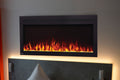
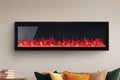
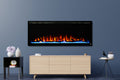
Electric fireplaces require no venting, no gas line, and no combustion-related permits in most jurisdictions — which is exactly why installation cost stays predictable and low.
The installation requirements for a standard electric fireplace are straightforward:
- Electrical outlet: Most electric fireplaces run on a standard 120V household outlet. Some larger or higher-output units may require a dedicated 240V circuit, but the majority plug into existing wiring.
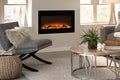
- Framing the enclosure: For built-in or recessed electric fireplaces, you'll frame an enclosure to the manufacturer's specified dimensions. There are no combustion clearances to worry about, which simplifies the framing work.
- No venting cutouts: Because electric fireplaces produce no combustion byproducts, there's no need to cut through exterior walls or rooflines for venting. This is one of the most significant cost and complexity reductions compared to gas.
- No gas line: Electric units eliminate the need for a licensed gas fitter entirely on that scope of work.
For a new build, this means electric fireplaces integrate cleanly into most wall assemblies with minimal coordination between trades. One customer building a new home noted: "Very easy install. I love that you can run it without the heat on which is great for use all year." That flexibility — heat optional, ambiance always available — is a practical advantage that gas units don't offer.
How Do Gas and Electric Fireplace Costs Compare Side by Side?
| Cost Component | Gas Fireplace | Electric Fireplace |
|---|---|---|
| Unit / product cost | Moderate to high | Moderate to high (comparable premium options) |
| Venting system | Required — adds significant cost | Not required |
| Gas line installation | Required if no existing line | Not required |
| Permits and inspections | Typically required | Usually not required for standard installs |
| Framing complexity | Higher — combustion clearances apply | Lower — standard framing to manufacturer spec |
| Ongoing maintenance | Annual servicing recommended | Minimal — no combustion components |
| Operating cost predictability | Variable with gas prices | Predictable — tied to local electricity rates |
The key takeaway: electric fireplaces offer a lower and more predictable total installed cost, especially in new construction where gas infrastructure doesn't already exist.
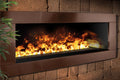
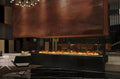
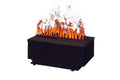
For homeowners who want the most realistic flame effect without combustion, a Water Vapor Fireplace is worth considering alongside traditional electric — these units produce a genuine three-dimensional flame effect using water mist and LED lighting, with no gas line and no venting required.
Which Option Makes More Sense for a New Build?
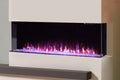
For new construction, electric fireplaces are designed for exactly this application — and they reduce install complexity in ways that matter when you're managing a build schedule and a budget.
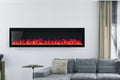
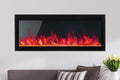
The most common mistake we see is homeowners deciding on gas because it feels more "real" or permanent, without accounting for what the infrastructure actually costs. By the time venting, gas line work, and permits are priced in, the gap between gas and electric installation cost becomes difficult to justify — especially when modern premium electric fireplaces deliver client-facing visual impact that rivals gas on appearance.
A few questions worth answering before you spec your fireplace:
- Is there an existing gas line near the fireplace location, or would a new run be required?
- What is the venting path, and does it require cutting through exterior walls or the roofline?
- Is the fireplace primarily a visual feature, or is it expected to serve as a primary heat source?
- Who is making the final specification decision — builder, designer, or client — and at what stage of construction?
If the fireplace is primarily an architectural feature and supplemental heat source, electric units are ideal for projects requiring simplicity, reliability, and zero venting. They integrate cleanly into most wall assemblies, require minimal maintenance, and reduce post-install service calls — which matters for builders managing client delivery timelines.
For homeowners who want guidance on specifying the right electric fireplace for their new build, the premium electric fireplaces product category at Electric Fireplaces Depot includes options designed specifically for new construction, with manufacturer specs to support accurate planning before your walls are closed.
Checklist
- Before finalizing your fireplace choice, get a written quote that separates the unit cost from all installation costs — venting, gas line, permits, and framing — so you're comparing total installed cost, not product price alone.
- Confirm whether your new build already includes a gas line rough-in near the fireplace location; if not, price that scope before committing to a gas unit.
- For electric fireplace installation, verify the electrical outlet type required (120V vs. 240V) with the manufacturer spec sheet before your electrician completes rough-in.
- New build homeowners specifying an electric fireplace should confirm the enclosure dimensions with the manufacturer before framing — changes after drywall are costly.
- If you're a builder or designer managing multiple units across a project, ask about trade pricing and project-ready units that ship with installation guidelines included.
- Evaluate whether the fireplace is intended as a visual feature, supplemental heat, or both — this determines the right category of unit and keeps your spec aligned with the client's actual expectations.
FAQ
Is a gas fireplace more expensive to install than an electric fireplace? Yes, in most new build scenarios a gas fireplace costs significantly more to install when you account for venting, gas line work, permits, and the framing required to meet combustion clearances. Electric fireplaces require no venting and no gas line, which removes several of the most costly installation components entirely.
Do electric fireplaces need a permit to install? In most jurisdictions, standard electric fireplaces that run on a 120V household outlet do not require a separate permit. Gas fireplaces almost always require permits and inspections because they involve combustion appliances and gas line connections. Always verify with your local building department, as requirements vary by municipality.
What is the total installed cost of a gas fireplace in a new build? The total installed cost depends on several variables — venting path complexity, distance of the gas line run, local permit fees, and labor rates. The product price is only one component. Venting alone can add substantially to the total, and a new gas line run from the main supply adds further cost. Getting itemized quotes for each trade scope before committing is the most reliable way to understand your true number.
Can an electric fireplace replace a gas fireplace in terms of heat output? Electric fireplaces can function as effective supplemental heat sources for the rooms they serve, and many premium units include adjustable heat settings. They are generally not designed to serve as a home's primary heating system. For homeowners whose primary goal is ambiance and a luxury visual feature — which describes the majority of new build fireplace installations — electric units deliver that without the infrastructure cost of gas.
What maintenance does a gas fireplace require compared to electric? Gas fireplaces typically require annual professional servicing to inspect burners, venting, and gas connections. Electric fireplaces have no combustion components, which means no annual service requirement and no venting to inspect. This difference in ongoing maintenance contributes to the lower long-term operating cost of electric units.
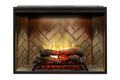
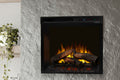
Are there electric fireplaces that look as realistic as gas? Modern premium electric fireplaces have closed the visual gap significantly. Units with multi-color flame settings, log or crystal media, and adjustable ember beds produce a convincing flame effect. For the most realistic option available without combustion, water vapor fireplaces use water mist and LED lighting to create a genuine three-dimensional flame that is widely regarded as the most lifelike non-combustion flame effect on the market.
What should I tell my builder when specifying an electric fireplace? Provide your builder with the manufacturer's installation guidelines, the exact enclosure dimensions, and the electrical requirements (voltage and circuit type) before framing begins. Specifying these details early prevents costly adjustments after drywall. If you're unsure which unit fits your project, Electric Fireplaces Depot can help you spec the right fireplace based on your enclosure, intended use, and construction stage.
If you're in the planning stage and want to make sure you spec the right unit before your walls are closed, Electric Fireplaces Depot is available to walk through the details with you. Call or text 800-309-2144 or email sales@electricfireplacesdepot.com — bring your project details and we'll recommend the right unit and installation approach so you don't run into the common issues we see in the field.