1-800-309-2144

Warranty coverage for electric fireplaces varies by brand and model, but the length of coverage is only half the story. The more important question for any trade professional is who actually handles the claim when something goes wrong after installation. That distinction separates a warranty that protects your project from one that only looks good on paper.
Most electric fireplace warranties cover parts and components for one to three years, with some premium brands extending coverage further on specific components. But coverage length means little if the claim process routes you through a third-party call center with no direct manufacturer access, no clear resolution path, and a client standing in a finished room waiting for an answer.
What Does Standard Electric Fireplace Warranty Coverage Actually Include?
Most electric fireplace warranties cover manufacturing defects in parts and components for a defined period from the date of purchase. What that coverage includes - and excludes - varies meaningfully across brands.
A typical warranty structure for a premium electric fireplace looks like this:
| Coverage Type | Common Duration | What It Typically Covers |
|---|---|---|
| Parts and components | 1-5 years | Manufacturing defects in heating elements, controls, flame mechanisms |
| Flame effect components | 1-5 years | LED arrays, flame media, motor assemblies |
| Labor | Often excluded or limited | Varies by brand; rarely covers reinstallation |
| Cosmetic damage | Usually excluded | Scratches, dents from handling or installation |
The key takeaway: most warranties cover what the manufacturer controls - component defects - but not what happens during installation or handling. For trade professionals specifying electric fireplaces across multiple units or projects, this distinction matters before the product ships, not after.
Understanding electric fireplace lifespan vs gas fireplace longevity expectations also helps set realistic warranty conversations with clients, since the two categories age differently.
Who Actually Handles the Warranty Claim When Something Goes Wrong?
This is where most trade professionals encounter the real problem. A warranty is only as useful as the process behind it.
When you source an electric fireplace through a general marketplace or a non-authorized reseller, the claim path is rarely direct. You file a claim, get routed to a distributor or third-party service center, wait for a parts authorization, and then coordinate the resolution yourself - all while your client is waiting. That process can stretch weeks, and it lands the coordination burden entirely on you.
Electric Fireplaces Depot handles warranty claims directly as a factory-direct authorized dealer. That means when a post-install issue arises, the claim goes through a channel with actual manufacturer access - not a general customer service queue. For a contractor managing a timeline or a designer with a client relationship on the line, that access is the practical difference between a resolved issue and a stalled project.
This is also why verifying how a supplier handles post-sale support matters as much as confirming product specs. Reviewing how to verify electric fireplace supplier certifications before committing to a source is standard due diligence - and the warranty claim process is one of the clearest indicators of whether a supplier is genuinely authorized or simply reselling product.
What Makes a Warranty More or Less Valuable for Trade Professionals?
A long warranty period on a product with no clear claim path is less useful than a shorter warranty backed by direct manufacturer support. For builders, contractors, and designers, the value of warranty coverage comes down to three practical factors.
Claim resolution speed. When a component fails after installation, the clock is running. A claim that resolves in days protects your client relationship. One that takes weeks creates a problem you have to manage on top of your next project.
Who you call. Authorized dealers with direct manufacturer relationships can escalate claims, confirm part availability, and coordinate replacements without routing through layers of intermediaries. That access is not universal - it depends entirely on how the product was sourced.
Documentation before the project. Requesting warranty documentation before specifying a product is not overcautious - it is the same due diligence a trade professional applies to any specification. Knowing the exact coverage terms, exclusions, and claim process before installation eliminates surprises after the fact. This is especially relevant for multi-unit projects where a single warranty gap can affect multiple installations simultaneously.
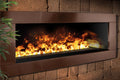
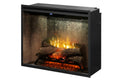
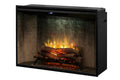
For projects where realism is a primary spec criterion, Water Vapor Fireplace units carry their own warranty structures and installation requirements that differ from standard electric models - another reason to confirm coverage terms product by product, not category by category.
How Does Sourcing Affect Warranty Coverage Right Now?
The current landscape for electric fireplace sourcing has expanded significantly, and that expansion has created a real gap between authorized and unauthorized distribution. Products that appear identical - same brand, same model number - can carry materially different warranty standing depending on where they were purchased.
Manufacturers authorize specific dealers to sell their products. When a product is purchased through an unauthorized channel, the manufacturer may decline the warranty claim entirely, regardless of what the product listing stated at the time of purchase. This is not a hypothetical risk - it is a documented pattern across premium appliance categories, and electric fireplaces are no exception.
For trade professionals sourcing product for client projects, the authorized dealer status of the supplier is a warranty protection in itself. It confirms that the manufacturer will recognize the claim, that the dealer has a direct escalation path, and that the product was handled and shipped under conditions the manufacturer has approved. Evaluating verify supplier track record before placing an order is one of the most direct ways to confirm this standing before a project begins.
What Should You Do Before Specifying a Product?
The practical answer to warranty risk is front-loading the due diligence. Most post-install warranty problems are avoidable if the right questions are asked before the product is specified.
Confirm the supplier is an authorized dealer for the brand being specified. Ask directly for warranty documentation - the actual terms, not a summary. Clarify whether labor is covered or only parts. Ask what the claim process looks like: who you call, what information is required, and what the typical resolution timeline is. For multi-unit projects, ask whether warranty coverage applies per unit or per order.
These questions take minutes to ask before a project and can prevent weeks of coordination after one.
Electric Fireplaces Depot's electric fireplace buying guide for trade professionals covers product selection alongside these post-sale support considerations, because getting the specification right and knowing what happens after the sale are part of the same decision.
Trade professionals who want to confirm warranty terms, verify authorized dealer status, or work through a specification before committing can reach Electric Fireplaces Depot directly by calling or texting 800-309-2144 or emailing pro@electricfireplacesdepot.com.
Checklist
-
Before specifying any electric fireplace for a client project, request the full written warranty document - not a summary - and confirm coverage duration, what components are included, and what is explicitly excluded.
-
Verify that your supplier is a factory-direct authorized dealer for the brand you are specifying; unauthorized sourcing can void manufacturer warranty coverage entirely.
-
Ask the supplier directly: what is the claim process, who do I contact, and what is the typical resolution timeline for a parts replacement?
-
For multi-unit projects, confirm whether warranty coverage applies per unit and whether a single point of contact handles all claims across the order.
-
Contractors and builders sourcing electric fireplaces for new construction or renovation should document purchase authorization at the time of order - this record supports any future warranty claim.
-
Compare warranty claim processes across suppliers, not just coverage length; a shorter warranty with direct manufacturer access is more valuable than a longer one with no clear escalation path.
FAQ
Who is responsible for handling an electric fireplace warranty claim - the retailer or the manufacturer?
It depends on how the product was sourced. When purchased through a factory-direct authorized dealer, the dealer typically acts as the first point of contact and has a direct escalation path to the manufacturer. When purchased through a non-authorized channel, the manufacturer may decline the claim entirely, leaving the buyer without a clear resolution path.
Which electric fireplace warranty terms matter most for a trade professional managing a client project?
The three most important factors are claim resolution speed, whether parts or labor are covered, and whether the supplier has direct manufacturer access. A warranty that covers parts but not labor, routed through a third-party service center, can still result in weeks of unresolved downtime - which directly affects your client relationship and your timeline.
How do I know if my electric fireplace purchase will be recognized for warranty coverage?
Purchase through a manufacturer-authorized dealer. Authorized dealers are recognized by the manufacturer, meaning claims filed through that channel will be accepted. Buying through a non-authorized reseller - even if the product appears identical - can result in a warranty claim being declined when you need it most.
What typically voids an electric fireplace warranty?
Common exclusions include cosmetic damage from handling or installation, damage resulting from improper installation outside manufacturer guidelines, use in conditions outside the product's rated specifications, and purchase through unauthorized distribution channels. Always review the full warranty document before installation, not after an issue arises.
Who should trade professionals contact when a warranty issue comes up after a multi-unit installation?
The supplier's trade support channel is the right first call - particularly when the supplier is a factory-direct authorized dealer with manufacturer access. For multi-unit projects, having a single point of contact who can coordinate across all affected units is significantly more efficient than managing each claim separately through a general consumer support line.
What is the difference between a parts warranty and a labor warranty on an electric fireplace?
A parts warranty covers the cost of the replacement component. A labor warranty covers the cost of the technician who installs it. Most electric fireplace warranties cover parts only, meaning the cost of sending someone back to a finished installation falls on the contractor or client unless otherwise specified. Confirming this distinction before specifying a product avoids unexpected costs after the fact.
Where can I get warranty documentation for a specific electric fireplace model before I commit to specifying it?
Ask the supplier directly before placing an order. A reputable authorized dealer will provide the full warranty document for any model in their catalog. If a supplier cannot or will not provide warranty documentation before purchase, that is a signal worth taking seriously before the product goes into a client's project.
Add Electric Fireplaces Depot as a preferred source on Google