1-800-309-2144


Verifying a supplier's track record before committing to a project is straightforward when you know what to look for. The most reliable signals are documented proof of completed work, direct access to references in similar trade contexts, and transparent answers to specific operational questions. A supplier who has worked on thousands of installs will answer those questions without hesitation - one who cannot is telling you something important.
For trade professionals, the stakes are real. A supplier who overpromises and underdelivers does not just cause inconvenience - it puts your project timeline, your client relationship, and your professional reputation on the line. The verification process is not about distrust; it is about selecting a partner whose track record matches your requirements before a single unit ships.
What Concrete Proof Should You Request From a Supplier?
The most verifiable evidence a supplier can provide is documentation, not marketing language. Ask for these specifically:
Authorized dealer status. Factory-direct authorized dealers have a documented relationship with manufacturers. That relationship means direct warranty support, not third-party mediation. Ask the supplier to confirm their authorized dealer status with the brands they carry. A legitimate supplier can confirm this immediately.
Order history with trade professionals. A supplier serving designers, architects, contractors, builders, and developers will have processed multi-unit orders, worked with project timelines, and navigated the specific requirements of commercial and residential builds. Ask whether they regularly work with trade professionals and what that process looks like in practice.
Shipping and fulfillment specifics. Ask whether they ship from their own warehouse or rely on drop-shipping through a third party. Suppliers with nationwide inventory access and their own warehouse can provide faster, more predictable delivery - a critical factor when your install schedule is fixed.
Warranty documentation. Request the manufacturer warranty terms in writing before ordering. A supplier with direct manufacturer relationships can provide this without delay. If warranty questions get redirected to a third party or go unanswered, that is a meaningful signal.
One pro who had worked with Electric Fireplaces Depot summarized it this way: "Good price and good service." That kind of feedback - short, direct, and from someone who completed a real project - carries more weight than any marketing claim.
How Do You Evaluate References and Customer Feedback?
References are most useful when they come from customers in situations similar to yours - trade professionals who ordered multiple units, worked with project deadlines, or dealt with post-sale support issues.
Ask for trade-specific references. Generic consumer reviews are less useful than feedback from contractors, builders, or designers who ordered at scale and needed reliable delivery. Ask the supplier directly: "Can you connect me with a trade professional who has ordered multiple units for a project similar to mine?"
Look at verified reviews across multiple platforms. A supplier with a genuine track record will have reviews spread across more than one channel - not just their own website. Look for patterns: consistent delivery, responsive support, accurate product descriptions, and clean resolution when something goes wrong.
Read for specificity. Vague praise tells you little. Specific feedback - about shipping timelines, product condition on arrival, how warranty issues were handled - tells you how the supplier actually operates. One pro noted after a recent install: "All was good. Though there was slight damage to frame. Since it didn't interfere with fitting in the opening and it works. No reason to worry. Can't be seen." That kind of honest, detailed account reflects a real transaction, not a curated testimonial.
Ask what happens after the sale. Post-sale support is where many suppliers fall short. Ask specifically: who handles warranty claims, what is the typical response time, and has the supplier ever dealt with a damaged shipment or a missing component? How they answer - and how quickly - tells you more than the answer itself.
What Questions Reveal Whether a Supplier Truly Knows the Product?
A supplier with real field experience will answer product and installation questions with specificity. One who does not know the product well will give vague or generic responses.
Try these questions:
-
"What are the most common installation mistakes you see with this unit, and how do we avoid them?" A supplier who has worked on thousands of installs will have a direct answer. Electric Fireplaces Depot's position, drawn from field observation: most problems come from enclosure preparation, not the product itself. The product is only half of a successful install - the environment is the other half.
-
"Is this unit appropriate for a multi-family or commercial application?" This question tests whether the supplier understands electric fireplaces for multi-family applications and the code considerations that come with them. A knowledgeable supplier will address fire safety, code compliance, and venting requirements without being prompted.
-
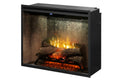
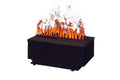
"What installation guidelines apply to this specific model?" For Water Vapor Fireplace units, for example, enclosure preparation and controlled airflow are critical. A supplier who does not raise those requirements when selling a water vapor unit is not giving you the information you need to succeed.
-
"What happens if the unit arrives damaged?" This question reveals the supplier's actual post-sale process. Ask whether they have a documented claims procedure and how quickly issues are typically resolved.
If a supplier deflects, generalizes, or cannot answer these questions directly, that is a meaningful data point - regardless of how polished their website looks.
How Does Trade Pricing and Pro Support Factor Into Supplier Reliability?
Price is one signal among many, but the structure of trade pricing electric fireplaces arrangements tells you something about how a supplier views the trade relationship.
A supplier who offers genuine pro pricing - not a nominal discount applied to an inflated list price - is one who has built a business model around repeat trade business. That structure creates accountability. A supplier who depends on trade professionals for volume orders has a strong incentive to deliver on time, resolve issues quickly, and maintain the relationship beyond a single transaction.
Ask directly: "Do you offer pro pricing for multi-unit orders, and what does that process look like?" A supplier with a real trade program will explain it clearly. One who hedges or cannot describe the process likely does not have one.
After-sale support is equally important. A supplier who provides expert guidance before the sale but disappears after it is not a reliable partner for ongoing project work. Ask who your point of contact is post-purchase and how warranty or fulfillment issues are handled.
| Verification Signal | What to Ask | What a Strong Answer Looks Like |
|---|---|---|
| Authorized dealer status | "Are you factory-direct authorized for this brand?" | Immediate confirmation, manufacturer relationship explained |
| Trade references | "Can I speak with a trade professional who ordered at scale?" | Specific referral, not a redirect to generic reviews |
| Post-sale support | "Who handles warranty claims and how quickly?" | Named process, documented timeline |
| Product knowledge | "What installation issues should I watch for?" | Specific, field-tested answer - not a brochure summary |
| Pro pricing structure | "What does your trade pricing program look like?" | Clear explanation of how the program works |
A supplier who answers every column in that table clearly and quickly has demonstrated the track record. One who cannot is showing you, before any money changes hands, what the relationship will look like when something goes wrong.
How Do You Make the Final Call on a Supplier?
Once you have gathered documentation, reviewed references, and tested the supplier's product knowledge, the final decision comes down to a simple question: does this supplier's behavior match their claims?
A supplier with a genuine track record will be consistent - the same level of detail in a sales conversation as in a warranty call, the same responsiveness before the order as after it. That consistency, more than any single proof point, is what distinguishes a reliable long-term partner from a one-time transaction.
If you are in the process of evaluating suppliers for an upcoming project, the Electric Fireplaces Depot trade professional resource library covers common specification questions, installation considerations, and product comparisons that can help you ask better questions of any supplier you are vetting.
Reach out directly at pro@electricfireplacesdepot.com or call or text 800-309-2144. If you want to walk through a specific project - new build or retrofit, single unit or multi-unit - the team at Electric Fireplaces Depot can spec the right unit and answer the verification questions you should be asking every supplier.
Checklist
- Request authorized dealer documentation before placing any order - factory-direct status determines who handles warranty claims and how fast.
- Ask for trade-specific references from designers, contractors, or builders who ordered multiple units for a project similar to yours.
- Test product knowledge with installation questions - a supplier who has worked on thousands of installs will give specific, field-grounded answers, not brochure summaries.
- Confirm the post-sale support process in writing - who is your contact, what is the claims procedure, and what happens if a unit arrives damaged.
- Review feedback across multiple platforms for patterns in delivery reliability, product condition, and issue resolution - not just the supplier's own website.
- Ask how the trade pricing program works for multi-unit orders - a real pro pricing structure signals a supplier built around repeat trade business.
FAQ
How do I verify that an electric fireplace supplier is a legitimate authorized dealer? Ask the supplier directly to confirm their authorized dealer status with the specific brands they carry. A factory-direct authorized dealer has a documented manufacturer relationship that provides direct warranty support - not third-party mediation. If they cannot confirm this quickly and clearly, that is a meaningful signal.
Who should I ask for references when vetting a fireplace supplier? Ask specifically for references from trade professionals - designers, contractors, builders, or developers - who have ordered multiple units for comparable projects. Generic consumer reviews are less useful than feedback from someone who navigated the same project-scale requirements you are facing.
Which questions best reveal whether a supplier actually knows the product? Ask about the most common installation mistakes for the specific unit you are considering and how to avoid them. Ask whether the unit is appropriate for your application - multi-family, commercial, or high-end residential. A supplier with real field experience will answer with specifics, not generalities.
What does post-sale support look like from a reliable supplier? A reliable supplier will have a named process for warranty claims, a documented procedure for damaged shipments, and a clear point of contact after the order ships. Ask these questions before you buy - how a supplier answers them previews how they will behave when something actually goes wrong.
How do I evaluate online reviews to assess a supplier's real track record? Look for specificity over volume. Reviews that describe actual transactions - shipping timelines, product condition on arrival, how issues were resolved - are more useful than vague praise. Look for patterns across multiple platforms rather than relying solely on reviews hosted on the supplier's own site.
Is trade pricing a reliable indicator of supplier credibility? It can be. A supplier with a genuine trade pricing program has built a business model around repeat trade business, which creates accountability. Ask how the program works for multi-unit orders. A supplier who cannot explain the structure clearly likely does not have a real trade program - and that tells you something about how they view the trade relationship overall.
What should I do if a supplier cannot answer basic installation questions? Treat it as a disqualifying signal. A supplier who has genuinely worked on thousands of installs will have direct, field-tested answers to questions about enclosure preparation, installation guidelines, and common failure points. Vague or deflected answers before the sale predict the same behavior after it.