1-800-309-2144


Knowing whether a new supplier is reliable before you commit comes down to a handful of verifiable operational signals - not marketing claims. The right checks take less than an hour and can save a project from delays, warranty headaches, or products that never show up as described. For trade professionals, that verification work is the difference between a smooth install and a problem that lands back on your desk.
The common advice is to read reviews and check ratings. That is a starting point, not a strategy. Reviews tell you what past buyers experienced; they do not tell you whether the supplier owns inventory, holds manufacturer authorization, or has anyone available when something goes wrong mid-project. Those are the signals that actually protect your timeline and your reputation.
What Operational Signals Actually Predict Reliability?
Reliability is an operational structure, not a personality trait. The suppliers who consistently deliver on time, send products that match specifications, and resolve issues quickly share a specific set of characteristics. The ones who fail tend to share a different set.
The most predictive signals are warehouse ownership, manufacturer authorization status, and post-sale support depth. A supplier who ships from their own warehouse controls their fulfillment timeline. A supplier who is a factory-direct authorized dealer has a direct line to the manufacturer for warranty claims, replacement parts, and product questions - not a third-party intermediary adding days or weeks to every resolution.
Post-sale support structure is where most trade professionals get surprised. Ask a direct question before ordering: who do I call if there is a problem after delivery? If the answer is vague, or if the supplier routes you back to the manufacturer for everything, that is a signal that support will be slow and inconsistent.
One pro described the experience of ordering from a supplier that matched the specs online exactly: "Fire place was the exact description provided making for an easy rough in and operated in the way provided online. Not having surprises like this allows for an on time delivery while construction ensues." That outcome - no surprises - is what operational reliability actually looks like in the field.
How Do You Verify Manufacturer Authorization Before Ordering?
Manufacturer authorization is one of the most overlooked verification steps, and it matters more than most trade professionals realize. An authorized dealer has a formal relationship with the manufacturer: they receive current product specs, have access to warranty support channels, and carry products that meet the manufacturer's quality standards for that market.
An unauthorized reseller may carry the same product name, but they often source through secondary channels. That can mean older inventory, incomplete documentation, or no direct path to warranty support when something fails on a job site.
The verification step is straightforward: contact the manufacturer directly and ask whether the supplier is an authorized dealer for their product line. Most manufacturers maintain dealer locator tools or will confirm authorization by email. This single step takes fifteen minutes and eliminates a significant category of risk.
Electric Fireplaces Depot works directly with manufacturers as a factory-direct authorized dealer - which means warranty claims, product questions, and spec support go through a direct channel rather than bouncing through intermediaries. For trade professionals specifying premium electric fireplaces for custom builds, that authorization status is the foundation of post-sale confidence.
What Questions Should You Ask a Supplier Before Your First Order?
A short, direct conversation before the first order reveals more than any review page. The goal is not to interrogate - it is to understand the operational structure you are relying on.
These are the questions worth asking:
Do you ship from your own warehouse, or do you drop-ship from a third party? A supplier with their own warehouse controls the timeline. Drop-shipping adds a hand-off point where delays and errors accumulate.
Are you a factory-direct authorized dealer for this product line? Answered above - this determines warranty and support access.
What is your process if a unit arrives damaged or with a spec discrepancy? A supplier with a clear, fast answer has handled this before and has a real process. Vague answers mean you will be figuring it out in real time during a project.
Do you have experience with trade projects - multi-unit builds, new construction timelines, or retrofit installs? Trade work has different timing and coordination requirements than a single residential sale. A supplier who has worked through thousands of installs will handle the edge cases differently than one who has not.
What does after-sale support look like once the unit is on site? This is where trade pricing electric fireplaces conversations often stall - suppliers compete on price but rarely explain what happens after delivery. The answer to this question is as important as the price.
How Do You Compare Suppliers When Multiple Options Seem Similar?
When two suppliers appear to carry the same product at similar price points, the differentiation lives in the operational layer, not the product listing. Comparing on price alone misses the variables that determine whether your project runs smoothly.
| Factor | What to Look For | Why It Matters |
|---|---|---|
| Inventory ownership | Ships from own warehouse | Controls fulfillment timeline directly |
| Authorization status | Factory-direct authorized dealer | Direct warranty and spec support access |
| Product documentation | Specs match manufacturer data | No surprises at rough-in or install |
| Support structure | Named contact, direct line | Faster resolution when issues arise |
| Trade experience | History with multi-unit or new construction | Understands project-phase timing |
| Brand access | Exclusive or hard-to-source lines | Access to products not available elsewhere |
The key takeaway: a supplier who owns their inventory, holds direct manufacturer authorization, and has a named support contact for trade professionals is structurably different from one who does not - regardless of how similar the product listings look.
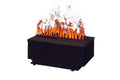
For projects involving Water Vapor Fireplace systems or European luxury lines not available through general retail channels, brand access becomes a differentiator on its own. If a supplier carries exclusive lines, that is a signal of a deeper manufacturer relationship - not just a reseller arrangement.
What Does a Reliable Supplier Look Like in 2026?
The supply chain environment in 2026 has made warehouse ownership and direct manufacturer relationships more important, not less. Suppliers relying entirely on third-party fulfillment or secondary sourcing have faced inventory gaps and extended lead times that trade professionals absorb as project delays.
The most reliable suppliers right now share three characteristics: they hold their own inventory, they have direct manufacturer authorization across their product lines, and they have invested in post-sale support infrastructure rather than routing every issue back to the manufacturer.
For trade professionals specifying electric fireplaces across multiple projects, the practical signal is consistency. Does the supplier deliver what the listing describes, on the timeline they state, with documentation that matches what you need for rough-in? An interior professional put it plainly after a recent order: "Electric Fireplace Depot was very easy to work with from selection to delivery. The insert arrived in great condition and slid right into place." Consistency across those three touchpoints - selection, delivery, and product condition - is the operational definition of reliability.
What Verification Work Actually Protects Your Reputation?
Most of the risk trade professionals carry when working with a new supplier is front-loaded. The verification steps - confirming authorization, asking about warehouse ownership, testing the support structure with a direct question - take less time than a single callback on a delayed project.
The suppliers worth trusting make verification easy. They can answer questions about their manufacturer relationships directly, they have clear processes for post-delivery issues, and their product documentation matches what shows up on site. As one trade professional noted after a new construction delivery: "The fire place unit showed up very quickly and was packaged very carefully." That outcome reflects a supplier with real operational infrastructure behind the transaction.
For trade professionals ready to specify their next project with confidence, Electric Fireplaces Depot's expert guidance and project consultation is available directly - before the order, not after the problem.
Reach the team by phone or text at 800-309-2144 or by email at pro@electricfireplacesdepot.com.
Checklist
- Confirm manufacturer authorization - contact the manufacturer directly and ask whether the supplier is a factory-direct authorized dealer for the specific product line you are ordering.
- Ask where inventory ships from - a supplier with their own warehouse controls fulfillment; a drop-ship arrangement adds a hand-off point where delays accumulate.
- Test the post-sale support structure before ordering - ask who you call if a unit arrives damaged or with a spec discrepancy, and evaluate the specificity of the answer.
- Request product documentation that matches the manufacturer's current spec sheet - if the listing dimensions or specs differ from the manufacturer's published data, flag it before the rough-in is framed.
- Ask about trade professional experience - a reliable supplier for trade professionals should be able to speak to new construction timelines, multi-unit coordination, and retrofit install considerations without hesitation.
- Compare the full operational picture, not just price - when two suppliers look similar on price, the differentiators are authorization status, inventory ownership, brand access, and support depth.
FAQ
Who should verify supplier reliability - the contractor, the designer, or the project manager? Any trade professional making the specification recommendation carries the reputational risk if the supplier fails to deliver. In practice, whoever is closest to the product selection decision - whether that is the designer, the GC, or the project manager - should run the verification steps. On larger projects, it is worth a fifteen-minute conversation between those parties to confirm the supplier has been vetted before the spec is locked.
Which supplier signals matter most for a multi-unit project versus a single custom home? For multi-unit projects, warehouse ownership and inventory depth are the highest-priority signals - you need to know that units can ship on a coordinated timeline without gaps. For a single high-end custom home, manufacturer authorization and access to premium or exclusive product lines often carry more weight, since the specification may depend on a specific model that is not broadly available. Both project types benefit from a supplier with a named trade support contact.
How do you check if a supplier is actually an authorized dealer, not just claiming to be? Go directly to the manufacturer's website and use their dealer locator, or send a brief email to the manufacturer's dealer relations team naming the supplier and the product line. Most manufacturers will confirm or deny authorization within one business day. This step takes fifteen minutes and eliminates the risk of ordering through an unauthorized channel with no direct warranty path.
What does "ships from their own warehouse" actually mean for my project timeline? It means the supplier controls when the product leaves the facility. A supplier who owns their warehouse can confirm real-time inventory, pack and ship on a predictable schedule, and resolve fulfillment issues without waiting on a third party. For trade professionals managing construction timelines, that control directly reduces the risk of a delayed delivery holding up an install phase.
Which questions reveal the most about a supplier's post-sale support quality? Ask: "What is your process if a unit arrives damaged?" and "Who do I contact after delivery if there is a spec issue?" A supplier with real post-sale infrastructure will answer both questions specifically - with a process, a contact type, and a timeline. A supplier without that infrastructure will give a vague answer or route you back to the manufacturer for everything. The quality of those answers is a reliable proxy for how the relationship will feel six months into a project.
How do reviews factor into supplier verification for trade professionals? Reviews are a useful secondary signal, not a primary one. They confirm patterns of delivery accuracy, packaging quality, and customer service responsiveness - all of which matter. But reviews do not reveal warehouse ownership, manufacturer authorization status, or support depth. Use them to corroborate what you learn from direct questions, not as a substitute for asking those questions.