1-800-309-2144

Water vapor fireplaces deliver the most realistic flame effect available without combustion — and yes, trade professionals who have specified them consistently report strong client satisfaction when the installation environment is set up correctly. The flame realism is genuinely impressive at the luxury level. The part most people underestimate is that the product is only 50% of success. The install environment is the other 50%.
Builders, designers, and contractors who have worked with these units share consistent field experience.
What Does the Flame Actually Look Like in a Real Installation?
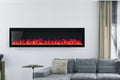
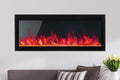
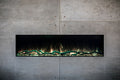
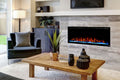
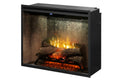
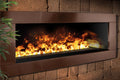
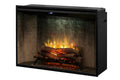
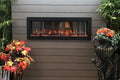
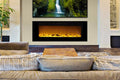
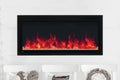
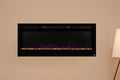
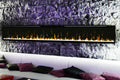
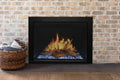
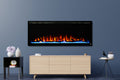
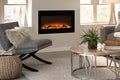
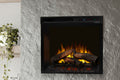
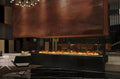
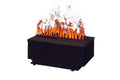
The visual output is the reason luxury builders specify Water Vapor Fireplace technology in the first place. The flame effect is produced by ultrasonic mist passing through LED lighting, which creates a three-dimensional, floating flame that reads as genuinely real — not a flat panel glow, not a looping video, but a volumetric effect with depth, movement, and color variation.
In a well-executed installation, the flame holds up to close inspection. Clients who are accustomed to noticing every detail — grout lines, hardware finishes, trim alignment — will look at this flame and not immediately know it is not combustion. That is the threshold luxury projects require, and water vapor units clear it when installed correctly.
The critical word is "correctly." The flame effect depends on mist density, and mist density is affected by airflow. A unit placed in an open-plan room with ceiling fans running, HVAC vents pointed toward the firebox, or an enclosure that was not properly sealed will produce a flame that looks thin, drifts sideways, or dissipates before it reaches full visual height. The unit itself has not failed — the environment is working against it.
What Installation Conditions Affect Visual Quality?
This is where most field problems originate, and it is the question trade professionals should be asking before they specify, not after.
Enclosure sealing is the first variable. The firebox cavity needs to be sealed against air infiltration from the wall assembly, the floor, and any adjacent cavities. Gaps allow cross drafts that disrupt the mist column. In new construction this is straightforward to address at framing. In retrofit projects it requires more deliberate attention to how the existing cavity is prepared.
HVAC and ceiling fan placement is the second variable. Any forced air movement directed at the firebox opening will visibly affect the flame. The solution is not to avoid water vapor — it is to review the HVAC plan before finalizing the fireplace location and ensure diffusers are not aimed at the unit. This is a coordination step, not a design compromise.
Dust and debris exposure during construction is the third variable. Water vapor units use ultrasonic transducers that can be damaged or degraded by fine construction dust if the unit is installed and powered before the space is finished and clean. The correct sequence is to complete all dusty trades — drywall, sanding, painting — before the unit goes in. This is the single most common installation mistake seen across thousands of projects.
Water quality matters too. These units run on distilled water. Using tap water causes mineral buildup on the transducers, which reduces mist output over time and degrades the flame effect. This is a simple maintenance point, but builders who do not brief their clients on it will get a callback six months after handover.
How Do Trade Professionals Handle the Specification Process?
Designers and builders who have successfully specified water vapor units share a consistent approach: they treat the fireplace as an architectural element that requires coordination, not a fixture that gets dropped in at the end.
The specification conversation starts with the project stage. A new build gives full flexibility — the enclosure can be designed around the unit's requirements from the beginning. A retrofit requires an honest assessment of what the existing cavity looks like and whether the conditions can be controlled.
The next question is location relative to HVAC. On projects where the fireplace location is fixed by the design, the HVAC layout should be reviewed to ensure compatibility. On projects where there is flexibility, positioning the fireplace away from primary air circulation paths is the cleaner path.
One designer who worked with Electric Fireplaces Depot on a client project noted: "We had a great experience with Electric Fireplaces Depot. Their team prioritized customer service and offered helpful guidance in selecting the right fireplace for our client. The final result turned out beautifully."
That outcome — a result the client was genuinely impressed by — is repeatable. It is not luck. It is the result of specifying the right unit for the specific application and addressing the installation environment before the unit arrives on site.
The common installation mistakes seen in the field are dust exposure, poor enclosure sealing, and cross draft from HVAC or open-plan air movement. Each one is preventable with upfront guidance. The builders who avoid post-install service calls are the ones who ask the right questions at the specification stage, not after the drywall is closed.
Is a Water Vapor Fireplace the Right Choice for a Luxury Project?
For projects where visual impact is the primary objective and combustion is either impractical or undesirable, water vapor is the correct technology. It produces a real flame visual without gas, without venting, and without the clearance requirements that complicate other fireplace types. It integrates cleanly into wall assemblies, scales across multiple units in a single project, and delivers a client-facing visual that supports luxury positioning.
The honest trade-off is that it requires more installation discipline than a standard electric unit. The enclosure preparation, the HVAC coordination, and the construction sequencing all affect the final result. Builders who treat this as a plug-and-play fixture will encounter performance issues. Builders who treat it as an architectural feature that requires controlled conditions will deliver results their clients remember.
For luxury custom builders, the specification decision is not really about the technology — it is about whether the installation environment can be controlled to let the technology perform. In most new construction projects, that answer is yes. In retrofit projects, it depends on what the existing conditions allow.
The water vapor fireplace product category and comparison guide at Electric Fireplaces Depot covers the full range of available units, with specs organized by enclosure type, flame height, and installation requirements — a useful starting point when you are matching the unit to a specific architectural opening.
Checklist
- Confirm the enclosure will be fully sealed against air infiltration from the wall cavity, floor, and adjacent spaces before finalizing the specification.
- Review the HVAC plan to verify no diffusers or return air paths are directed at the firebox opening.
- Schedule water vapor unit installation after all dusty trades — drywall, sanding, painting — are complete and the space is clean.
- Specify distilled water use in the client handover documentation to prevent mineral buildup on transducers.
- For luxury custom builders specifying multiple units in a single project, confirm each firebox location independently against the HVAC layout — what works in one room may not work in another.
- If the project is a retrofit, assess the existing cavity conditions before committing to a water vapor unit; enclosure control is harder to achieve in some existing wall assemblies.
FAQ
Does a water vapor fireplace look real enough for a high-end luxury home? Yes — water vapor fireplaces produce a three-dimensional, volumetric flame effect that reads as genuinely realistic at close inspection. The mist-and-LED technology creates depth and movement that flat-panel electric units cannot replicate. The visual result holds up to the scrutiny of clients who notice every detail, provided the installation environment is properly controlled.
What causes a water vapor fireplace flame to look weak or drift sideways? The most common cause is uncontrolled airflow in or around the firebox enclosure. Cross drafts from HVAC diffusers, ceiling fans, or gaps in the wall cavity disrupt the mist column and reduce flame density. This is an installation environment issue, not a product defect. Sealing the enclosure and reviewing the HVAC layout before installation resolves it in most cases.
Can you install a water vapor fireplace during active construction? The unit should not be powered or installed while dusty trades are still active. Fine construction dust — from drywall, sanding, or painting — can damage the ultrasonic transducers that produce the mist. The correct sequence is to complete all finishing work, clean the space thoroughly, and then install the unit.
Does a water vapor fireplace require a gas line or venting? No. Water vapor fireplaces require only an electrical connection and a water supply for the reservoir. There is no combustion, no gas line, no venting, and no clearance requirements associated with flue or exhaust. This makes them well-suited for multi-family applications, high-rise projects, and any installation where running a gas line or venting to the exterior is impractical.
What water should be used in a water vapor fireplace? Distilled water only. Tap water contains minerals that accumulate on the ultrasonic transducers over time, reducing mist output and degrading the flame effect. Builders should include distilled water use as a standard item in the client handover documentation to prevent maintenance issues after project completion.
How does a water vapor fireplace integrate into a new construction project versus a retrofit? New construction gives full flexibility — the enclosure can be framed and sealed to the unit's requirements from the start, and the HVAC layout can be coordinated before walls are closed. Retrofit projects require an honest assessment of the existing cavity: whether it can be sealed against air infiltration, and whether the HVAC configuration in that room allows for a controlled airflow environment. Most new construction projects are well-suited for water vapor; retrofits depend on the specific conditions.
What maintenance does a water vapor fireplace require after installation? The primary maintenance tasks are refilling the water reservoir with distilled water and periodically cleaning the transducers to remove any mineral residue. These are low-effort tasks that can be handled by the homeowner. There is no combustion system, no gas components, and no venting to service, which makes the long-term maintenance profile straightforward compared to gas alternatives.
If you are specifying a water vapor fireplace for a current project and want to work through the enclosure conditions, HVAC layout, or unit selection before committing, the team at Electric Fireplaces Depot can walk through the details with you. Call or text 800-309-2144, or reach the trade team directly at pro@electricfireplacesdepot.com.