1-800-309-2144

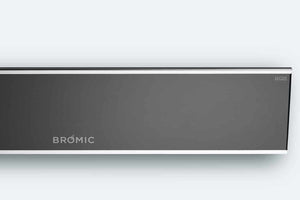
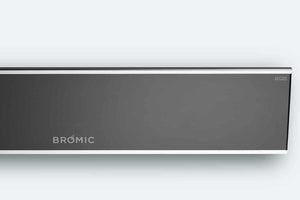
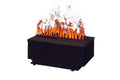
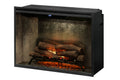
The three main electric fireplace types — inserts, wall-mounted units, and built-in models — are not interchangeable. Each one is designed for a different structural starting point, and choosing the wrong one mid-renovation creates rework that costs far more than the fireplace itself. Inserts fit into existing fireplace openings, wall-mounted units attach to a finished wall surface with no enclosure required, and built-in models are designed to be framed into a wall assembly. Which one fits your project depends entirely on what you're working with right now.
What Makes These Three Types Actually Different?
The confusion usually starts because all three produce the same visual result — a flame effect in a wall. The difference is not cosmetic. It's structural. Each type is engineered for a specific installation environment, and that environment is either already there or it isn't.
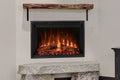
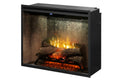
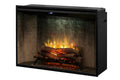
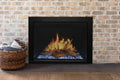
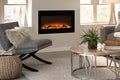
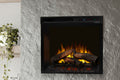
Electric fireplace inserts are designed for retrofit applications. They slide into an existing masonry or prefabricated fireplace opening and are held in place by the surrounding structure. If you have an old wood-burning or gas fireplace that you want to convert, an insert is the most direct path. No new framing, no wall demolition, no enclosure to build. The opening already exists — the insert fills it.
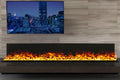
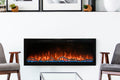
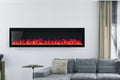
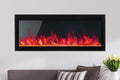
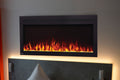
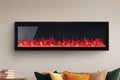
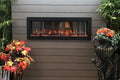
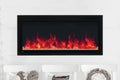
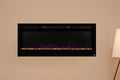
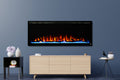
Wall-mounted units are surface-mounted. They hang on a finished wall the same way a large flat-screen television would, with a bracket system. There's no cavity required, no enclosure, and no framing modification. This makes them the lowest-complexity installation of the three types, particularly useful when the renovation timeline is tight and the wall is already finished or close to it.
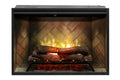
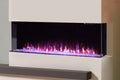
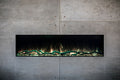
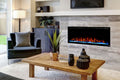
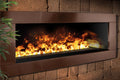
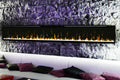
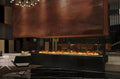
Built-in models are a different category entirely. They're designed to be recessed into a wall cavity or custom enclosure, either framed from scratch in new construction or cut into an existing wall during a renovation. They require the most planning of the three because the enclosure dimensions, clearances, and electrical rough-in all need to be addressed before the drywall goes up. Built-ins produce the cleanest architectural result — flush with the wall, no visible housing — but they demand that the structural work happens in the right sequence.
How Does Your Existing Space Determine Which Type You Need?
This is where most renovation mistakes happen. People fall in love with a product image online without asking whether their current structural reality actually supports that installation type.
Do you have an existing fireplace opening?
If yes, an insert is almost certainly the right move. You avoid demolition, you avoid new framing, and the install complexity is low. Electric inserts require no venting and no gas line, so you're not dealing with liner removal or gas disconnection beyond standard safety procedures. The opening does the structural work for you.
Is your wall already finished or close to finished?
A wall-mounted unit is the answer here. If the drywall is up, the paint is on, and you're not opening the wall again, a surface-mounted unit gives you a flame feature without touching the structure. The trade-off is visual: the housing sits proud of the wall surface rather than sitting flush with it. For many spaces, that's a perfectly acceptable result, particularly with modern linear designs that read as intentional architectural features rather than afterthoughts.
Are you framing or building from scratch?
Built-in models belong in new construction or in a renovation where the wall is already open. If you're at the framing stage, a built-in gives you the cleanest long-term result — flush installation, custom surround options, and the ability to spec the electrical rough-in exactly where it needs to be. The key is timing. Built-ins require coordination with the framing and electrical work before the wall closes. If that window has already passed, a built-in creates rework.
What Are the Most Common Mistakes Renovators Make Choosing Between These Types?
From working across thousands of installations, the pattern is consistent: most problems don't come from the product itself. They come from a mismatch between the installation type and the construction stage.
The most common mistake is ordering a built-in unit after the walls are already closed. The homeowner saw a flush-mount design they wanted, ordered it, and then discovered the wall needs to be opened, re-framed, and re-finished. That's a significant cost and timeline hit on an already-stressed renovation schedule.
The second common mistake is assuming a wall-mounted unit can be recessed. Wall-mounted units are not designed for recessing into a cavity. Attempting to do so creates airflow problems — electric fireplaces require controlled airflow environments, and placing a surface-mount unit inside an unventilated cavity restricts that airflow and creates long-term performance issues.
The third mistake is buying an insert without confirming the opening dimensions. Inserts are sized to specific opening widths and heights. An insert that's too small looks wrong and may not operate correctly. An insert that's too large won't fit. Measuring the existing opening before selecting a model is non-negotiable.
The product is only 50% of success — the install environment is the other 50%. That's not a disclaimer; it's the single most useful thing to understand before you order anything.
Which Type Works Best for a Renovation Already in Progress?
The honest answer depends on what stage you're at right now.
If the walls are closed and finished, wall-mounted is your cleanest path forward. If you have an existing fireplace opening you're converting, an insert is the correct choice. If the walls are still open and you're willing to coordinate the framing and electrical now, a built-in gives you the premium result most renovators are actually picturing when they imagine a fireplace in their space.
None of these types require venting. None require a gas line. That simplifies the installation significantly compared to traditional alternatives and removes most of the trade coordination that slows renovation timelines.
The right answer for your project isn't a matter of opinion — it follows directly from your structural starting point and your current construction stage.
When you're ready to confirm the right direction, Electric Fireplaces Depot's product category pages are organized by installation type so you can compare models within the category that actually fits your project — not across all three at once.
Checklist
- Confirm whether you have an existing fireplace opening before considering an insert — measure the width, height, and depth of the opening before selecting a model.
- Check your current construction stage: if walls are closed, eliminate built-in models from your shortlist immediately.
- Verify your wall-mounted unit is specified as a surface-mount product — do not attempt to recess a surface-mount unit into a cavity.
- Confirm the electrical rough-in location before ordering a built-in model, and coordinate with your electrician before the wall closes.
- If you're a trade professional specifying for a client, identify whether the project is new construction or retrofit before recommending an installation type — this is the first question that determines everything else.
- Document your existing opening dimensions or wall cavity dimensions and share them when consulting with a supplier — it eliminates the most common sizing errors before they become costly returns.
FAQ
What is the difference between an electric fireplace insert and a built-in electric fireplace? An electric fireplace insert is designed to slide into an existing fireplace opening — typically a converted wood-burning or gas fireplace — and requires no new framing or wall modification. A built-in electric fireplace is designed to be recessed into a wall cavity or custom-framed enclosure, which means it's best suited for new construction or a renovation where the wall is still open. Using a built-in in a finished wall requires opening, re-framing, and refinishing the wall.
Can I install a wall-mounted electric fireplace without any construction work? Yes. Wall-mounted electric fireplaces are surface-mounted units that attach to a finished wall using a bracket system, similar to a large flat-screen television. They require no cavity, no framing modification, and no enclosure. You do need a nearby electrical outlet or a dedicated circuit — confirm your electrical situation before purchasing, but the structural work is minimal compared to insert or built-in installations.
What happens if I try to recess a wall-mounted electric fireplace into the wall? Wall-mounted units are not designed for recessed installation. Placing one inside an unventilated cavity restricts the airflow the unit needs to operate correctly. Electric fireplaces require a controlled airflow environment, and enclosing a surface-mount unit in a cavity creates heat buildup and long-term performance issues. If you want a flush-to-wall appearance, you need a unit specifically designed and listed as a built-in model.
How do I know if my existing fireplace opening is the right size for an insert? Measure the width, height, and depth of your existing opening before selecting any insert model. Inserts are sized to specific opening dimensions, and both undersizing and oversizing create problems — visual gaps or a unit that physically won't fit. Most manufacturers publish minimum and maximum opening dimensions for each insert. Share those measurements with your supplier before purchasing.
Do electric fireplace inserts, wall-mounted units, and built-in models all require venting? No. All three types of electric fireplaces — inserts, wall-mounted, and built-in — require no venting of any kind. There is no combustion, no exhaust, and no gas line needed. This is one of the primary advantages of electric units for renovation projects: they eliminate the trade coordination and structural requirements that vented gas or wood-burning fireplaces demand.
I'm in the middle of a remodel and my walls are already closed. Which type should I choose? With finished walls, a wall-mounted unit is the most practical option. It requires no structural modification and can be installed without reopening the wall. If you have an existing fireplace opening you're converting, an insert is also viable. A built-in model is not recommended at this stage unless you're willing to open the wall, re-frame the cavity, and refinish the surface — which adds significant cost and time to an active renovation.
What information should I have ready before contacting Electric Fireplaces Depot for a recommendation? Know your current construction stage (framing, drywall up, fully finished), whether you have an existing fireplace opening and its dimensions, your wall cavity depth if applicable, and whether the primary goal is visual ambiance or supplemental heat. With those details, the right installation type — and the correct unit within that type — becomes a straightforward recommendation rather than a guessing exercise.
If you're in the middle of a remodel and need a clear answer before your timeline moves on, call or text Electric Fireplaces Depot at 800-309-2144 Ext 1, or reach the team directly at sales@electricfireplacesdepot.com. Share your project stage and what you're working with — the recommendation follows from the details, not from a catalog.