1-800-309-2144

The short answer: the old ones were. Modern premium electric fireplaces are not.
The reputation for tackiness is real, but it belongs to a specific era of the product -- the freestanding box heaters with orange-tinted plastic flames that glowed like a lava lamp and sat in the corner of a rental apartment. Those units earned that reputation honestly. What's available now is a different category entirely, and conflating the two is one of the most common mistakes homeowners make when researching electric fireplaces.
If you're renovating a condo or planning a new build and you've hesitated because you don't want something that looks like a prop, this is worth reading carefully.
What Made Older Electric Fireplaces Look Cheap?
The visual problems with older electric fireplaces came down to three things: fake-looking flame effects, low-quality surrounds, and no architectural integration.
Early electric fireplaces used spinning reflective drums or simple LED loops to simulate flame. The result was a repetitive, mechanical flicker that looked nothing like real fire -- it had no depth, no variation, and no randomness. The surrounds were often made from injection-molded plastic finished to look like wood or marble, and they sat on top of the floor rather than being built into the wall. The unit announced itself as an afterthought.
That's the version people remember. That's what the word "tacky" is actually describing.
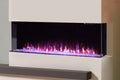
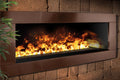
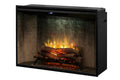
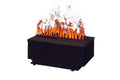
The technology behind flame simulation has advanced significantly since then. Premium electric fireplaces now use multi-layer LED systems with refracted light, mirrored depth chambers, and hand-painted log or crystal media to create a flame effect that reads as genuinely three-dimensional. Water vapor fireplaces go further still -- they produce actual mist that catches light the way real combustion does, creating a flame visual that is nearly indistinguishable from a real fire at conversational distance.
What Does a Premium Electric Fireplace Actually Look Like?
Premium electric fireplaces deliver realistic flame effects and serve as luxury focal points and architectural features -- but only when the unit and the installation are both done right.
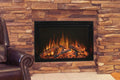
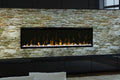
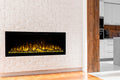
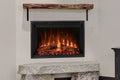
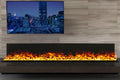
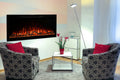
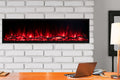
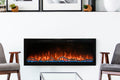
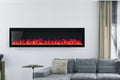
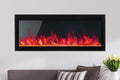
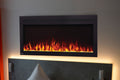
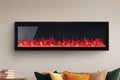
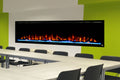
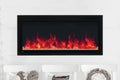
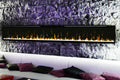
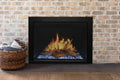
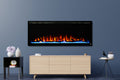
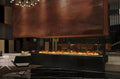
Modern linear electric fireplaces are designed to be recessed into a wall assembly, flush-mounted, or built into a custom surround. The linear format -- wide, low, and horizontal -- mirrors the proportions of high-end gas inserts and fits naturally into contemporary architecture. There are no visible seams, no plastic surrounds, no visible feet. When installed correctly, the fireplace reads as a designed element of the room, not an appliance sitting in front of it.
The comparison below illustrates how much the category has changed:
| Feature | Older Electric Models | Modern Premium Units |
|---|---|---|
| Flame technology | Single-layer LED loop or spinning drum | Multi-layer LED with depth chamber or water vapor |
| Surround material | Injection-molded plastic | Steel, tempered glass, or custom enclosure-ready |
| Installation format | Freestanding, floor-placed | Recessed wall, built-in, or linear insert |
| Architectural integration | None | Flush-mount or full enclosure integration |
| Visual impression | Appliance | Architectural feature |
The key takeaway: the difference between a tacky electric fireplace and a luxury focal point is not the category -- it's the product tier and how it's installed.
Does Installation Affect How Realistic It Looks?
Installation is responsible for at least half of the visual outcome. This is something we see consistently across projects: a premium unit installed carelessly looks worse than a mid-range unit installed with intention.
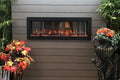
The most common visual failures come from improper enclosure preparation. When a fireplace is recessed into a wall without a properly sized cavity, the reveal is uneven, the trim gaps are visible, and the whole assembly looks improvised. When a linear fireplace is surface-mounted on a wall without any built-out surround or architectural framing, it looks like a television with a flame effect -- which is exactly what people mean when they say "tacky."
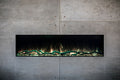
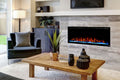
Proper integration means the fireplace is either recessed flush with the wall surface, or it's surrounded by a built-out feature wall, stone, tile, or millwork that gives it a visual context. That context is what transforms the unit from an appliance into a room's focal point.
For condo owners specifically, this matters because the architectural envelope is often fixed. You may not be able to cut into the exterior wall or run a gas line, but you can build a non-combustible feature wall assembly, recess a linear electric unit into it, and create something that looks intentional and elevated -- not like a workaround.
Water vapor fireplaces are worth noting here as well. They require proper enclosure preparation and controlled airflow to perform correctly, but when those conditions are met, they deliver the most realistic flame effect available without combustion. The visual result in a well-prepared enclosure is genuinely impressive -- the kind of thing that stops guests mid-conversation.
Are There Electric Fireplaces That Actually Look Luxury?
Yes -- and the distinction is visible the moment you compare models side by side.
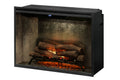
Quality varies significantly between entry-level and premium electric fireplace models. The difference shows up in flame realism, glass quality, media detail (the logs, crystals, or driftwood that sit in the firebox), and the precision of the housing itself. Premium units are designed for indoor architectural features -- they're specced to integrate into wall assemblies the way a high-end appliance integrates into a kitchen. The tolerances are tighter, the materials are better, and the flame effects are engineered to hold up under close observation.
For condo owners and renovators who want their space to feel as considered as a single-family home, this is the relevant tier. The goal isn't to install a fireplace -- it's to install a feature that reads as a deliberate design decision.
The modern linear electric fireplaces collection at Electric Fireplaces Depot is curated specifically for this kind of application: units that integrate cleanly into wall assemblies, deliver a realistic flame visual without combustion, and require no gas line and no venting -- which removes the two biggest installation barriers in multi-family and condo environments.
Summary: The Perception Gap Is Real, But It's Outdated
Electric fireplaces earned their reputation for looking cheap because many of them were. That era of the product is not what's available at the premium tier today.
Modern electric fireplaces, properly selected and properly installed, function as architectural features. They deliver realistic flame effects, integrate into wall assemblies cleanly, and work in environments where gas and wood are simply not options. The condo owner who dismisses electric fireplaces based on what they saw ten years ago is making a decision based on a product that no longer represents the category.
The question worth asking isn't whether electric fireplaces are tacky. It's whether you're looking at the right tier of product and planning the installation with the same care you'd give any other luxury finish in your home.
If you're at the planning stage and want guidance on which unit fits your specific space -- whether it's a new build or a retrofit, a recessed application or a feature wall -- reach out directly. Call or text 800-309-2144 Ext 1, or email sales@electricfireplacesdepot.com. Describe the project and we'll recommend the right unit and the right approach.
Checklist
- Before dismissing electric fireplaces as a category, compare current premium models side by side with older units -- the visual difference is significant and immediately apparent.
- If you're a condo owner planning a renovation, confirm whether your building allows gas lines and venting; if not, a no-venting, no-gas-line electric unit is the practical and aesthetically viable path.
- Plan the enclosure before selecting the unit -- the fireplace's visual impact depends as much on how it's framed and integrated as on the unit itself.
- Specify a linear electric fireplace format if your space has contemporary architecture; the proportions read as intentional rather than decorative.
- If realistic flame effect is a priority, research water vapor fireplace options alongside standard LED models -- the two technologies produce noticeably different visual results.
- When evaluating premium electric fireplaces for a condo or multi-family application, confirm the unit is designed for indoor architectural features and built-in installation, not freestanding use.
FAQ
Are electric fireplaces still considered tacky in 2026? The perception of tackiness is attached to older, lower-tier models -- freestanding units with plastic surrounds and repetitive LED flame effects. Modern premium electric fireplaces use multi-layer LED systems, mirrored depth chambers, and in some cases water vapor technology to produce realistic flame effects that read as genuine architectural features. The category has changed substantially, and the outdated reputation does not apply to current premium units.
What makes an electric fireplace look fake or cheap? The main culprits are single-layer flame effects with no depth or variation, plastic or low-quality surrounds, and freestanding installation with no architectural integration. When a unit sits on the floor in front of a wall rather than being recessed or built into a feature wall, it reads as an appliance, not a design element. Proper enclosure preparation and a built-in installation format resolve most of these visual problems.
Can an electric fireplace look as good as a gas fireplace? At the premium tier, yes -- particularly with water vapor fireplaces, which produce actual mist that catches light the way real combustion does. The flame visual at conversational distance is realistic enough that most guests cannot distinguish it from a gas fire. The key variables are product quality, media detail (logs, crystals, or driftwood), and how well the unit is integrated into its enclosure.
What type of electric fireplace looks most realistic? Water vapor fireplaces currently deliver the most realistic flame effect available without combustion. Standard premium electric fireplaces with multi-layer LED systems and hand-finished media are also significantly more realistic than older models. Both categories perform best when installed in a properly prepared enclosure with controlled airflow.
Are electric fireplaces a good option for condos? Electric fireplaces are particularly well-suited to condos because they require no gas line and no venting -- the two installation requirements that most condo buildings prohibit or restrict. A linear electric unit recessed into a non-combustible feature wall can deliver the same visual impact as a gas fireplace without any of the infrastructure constraints.
Does the installation really affect how the fireplace looks? Installation is responsible for a significant portion of the visual outcome. A premium unit installed without proper enclosure framing or flush integration will look worse than a well-installed mid-range unit. The fireplace needs architectural context -- a built-out surround, stone, tile, or millwork -- to read as a designed feature rather than an appliance placed against a wall.
How do I know if I'm buying a premium electric fireplace or a low-quality one? Look at the flame technology description (multi-layer LED or water vapor versus single-layer), the housing material (steel and tempered glass versus plastic), whether the unit is designed for recessed or built-in installation, and whether the manufacturer provides installation guidelines for enclosure preparation. Units designed for indoor architectural features and built-in applications are specced differently than freestanding decorative models.