1-800-309-2144
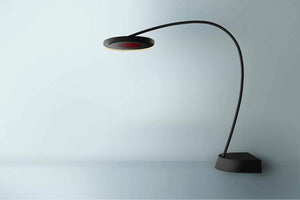
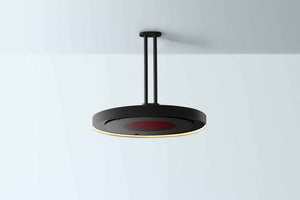

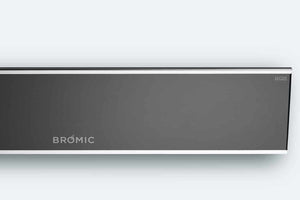
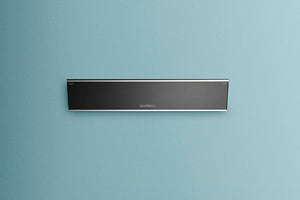
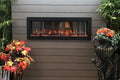
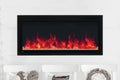
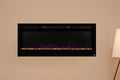
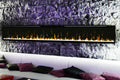
An electric fireplace is a self-contained appliance that produces a flame visual and optional heat using electricity - no gas line, no chimney, and no combustion of any kind. It plugs into a standard household outlet in most cases, making it one of the most accessible fireplace options available to homeowners today. The flame effect is generated by LED lighting systems, mirrors, and refraction technology that simulate the look of a real fire with surprising realism.
If you've been shopping online and found yourself more confused after an hour of research than before you started, that's a common experience. The category has expanded dramatically, and the range of styles, technologies, and quality levels is wide enough to create genuine decision fatigue. This article breaks down what electric fireplaces actually are, how the technology works, what the main formats look like, and what separates a premium unit from one you'll regret.
How Does an Electric Fireplace Actually Work?
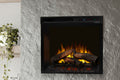
An electric fireplace creates its flame visual through a combination of LED light sources, spinning or stationary reflective components, and in some units, a physical media bed - logs, crystals, or stones - that the light plays across. The result is a layered, three-dimensional flame effect that can range from convincing to extraordinary depending on the quality of the unit.
Heat is produced separately from the flame display. Most electric fireplaces include a fan-forced heater built into the unit, and nearly all allow you to run the flame display with the heater off. This is one of the most practical features of the format: you can enjoy the ambiance year-round without warming the room.
The most advanced flame technology currently available comes from a different branch of the category: Water Vapor Fireplace units use ultrasonic technology to convert water into a fine mist, which is then illuminated to produce a flame effect that has genuine depth and movement. Water vapor units are in a separate performance tier from standard LED electric fireplaces, and they require a specific installation environment to perform correctly.
For the majority of homeowners, a high-quality LED electric fireplace delivers a realistic flame visual that satisfies the ambiance goal without the complexity of a water vapor system.
What Are the Main Formats of Electric Fireplaces?
Electric fireplaces come in four primary configurations, and the right one depends entirely on how you plan to install it.
| Format | Best For | Installation Notes |
|---|---|---|
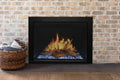
| Firebox Inserts | Existing fireplace openings | Slides into masonry or prefab opening; requires nearby outlet |
| Built In Category | New surrounds, custom cabinetry, feature walls | Framed into wall cavity; typically 240V for larger units |
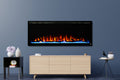
| Wall-mount Category | Modern interiors, minimal install | Mounts to wall surface; most run on standard 120V |
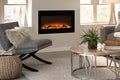
| Freestanding / Mantel | Portable use, rental properties | No installation required; plugs into standard outlet |
The insert format is the most popular for homeowners who already have a non-functioning fireplace opening. The built-in format is what most designers and builders specify when creating a dedicated fireplace wall from scratch. Wall-mount units appeal to homeowners who want a linear, modern look without framing work.
If you're deciding between formats for a new construction project, the article on choosing a fireplace for new build covers the full comparison in detail.
What Makes One Electric Fireplace Better Than Another?
This is where most buyers go wrong. They compare two units on price and screen size without understanding that flame quality, build quality, and long-term reliability vary enormously across the category.
The factors that separate a premium electric fireplace from a lower-quality one include:
Flame realism. The best units use multi-layered LED systems with independent flame, ember bed, and backdrop controls. You can adjust color, intensity, and speed. The worst use a single light source bouncing off a static reflector - flat, unconvincing, and dated-looking within a year.
Build quality and materials. Premium units use tempered glass, steel or aluminum housing, and commercial-grade heating components. The difference shows up not on day one but after three to five years of regular use.
Controls and customization. Higher-quality units include full remote control, app connectivity, and multiple flame settings. One customer described it this way: "I love the fireplace with multiple color choices and the ability to turn the heat on or off. It's exactly what I wanted and it completes my vision."
Brand support and warranty. This matters more than most buyers realize at the point of purchase. Reputable brands stand behind their products with real warranty coverage. The article on reputable electric fireplace brands explains what to look for and what to avoid.
One customer who was initially hesitant about the investment put it plainly: "This one is the more expensive version but truly you get what you pay for. It's also easier to fit in your fireplace."
What Can an Electric Fireplace Do That Gas and Wood Can't?
The comparison is worth making directly, because electric fireplaces have real advantages that gas and wood units cannot match - and real limitations too.
No venting required. An electric fireplace produces no combustion byproducts, so there is no need for a chimney, flue, or direct-vent pipe. This opens up installation locations that would be impossible or prohibitively expensive with gas or wood: interior walls, upper-floor bedrooms, condos, and apartments.
No gas line needed. For homes without existing gas service, or for rooms far from the gas supply, an electric fireplace eliminates a significant infrastructure cost. The gas vs electric fireplace cost comparison shows how dramatically installation costs differ.
Year-round use. Because the flame display operates independently of the heater, an electric fireplace can provide ambiance in summer without adding heat to the room.
Safe for multi-family applications. No combustion means no carbon monoxide risk and no open flame - a meaningful difference in condos, townhomes, and rental properties where gas fireplaces may be restricted or prohibited.
The honest limitation: even the most realistic electric flame does not fully replicate the sensory experience of a wood fire - the smell, the sound, and the radiant heat of real combustion are absent. For homeowners who prioritize those specific qualities, that distinction matters. For the large majority of people who want ambiance, warmth, and a low-maintenance installation, electric fireplaces deliver on all three.
One homeowner who had lived in their house for 25 years without ever being able to use a damaged fireplace described the switch this way: "This was the perfect alternative! The ambiance is perfect and what I have longed for for years. I turn it on every day after work."
What Should You Know Before You Buy?
Understanding what an electric fireplace is gets you to the starting line. Making the right purchase decision requires a few more steps.
The format you choose must match your installation situation. An insert that is too large or too small for an existing opening is a problem that no amount of product quality fixes. The article on electric fireplace insert dimensions walks through how to measure correctly.
The electrical requirements vary by unit size and type. Most standard units run on 120V, but larger built-ins often require a 240V dedicated circuit. Knowing this before you select a unit prevents surprises during installation.
The brand and the retailer both matter for long-term support. Buying from a specialty retailer that works directly with manufacturers - rather than a general marketplace - means you have real warranty support and someone knowledgeable to call if something goes wrong. As one customer noted after purchasing: "I was definitely nervous spending what I did at an online site that I hadn't heard of before... Let me tell you, these guys are AWESOME. Delivery was fast, communication was perfect, and customer service was rock solid."
For buyers considering a high-end installation, luxury electric fireplaces represent a category where flame realism and build quality reach a level that holds up in premium interiors. European Electric Fireplaces in particular bring a design-forward aesthetic that integrates well into modern and contemporary spaces.
Electric Fireplaces Depot specializes in helping homeowners make exactly this decision - from understanding the basics to selecting the right unit for a specific room, opening, or design goal. If you have questions about which format fits your situation, or want guidance before you purchase, reach out directly.
Call or text: 800-309-2144 Email: sales@electricfireplacesdepot.com
Checklist
- Identify your installation type before shopping: insert for an existing opening, built-in for a custom surround, wall-mount for a surface installation, or freestanding for a portable option.
- Measure your opening or wall space precisely - electric fireplace insert dimensions and built-in cavity requirements are specific, and an ill-fitting unit creates real problems.
- Confirm your electrical situation: most standard electric fireplaces run on 120V, but larger units may require a 240V dedicated circuit.
- Decide whether your primary goal is ambiance, supplemental heat, or both - this shapes which features matter most in a premium electric fireplace.
- Research the brand's warranty and the retailer's after-sale support before purchasing, not after.
- If you want the highest level of flame realism available, ask specifically about water vapor and top-tier LED units - the gap between entry-level and premium is significant.
FAQ
What is the difference between an electric fireplace and a regular space heater? An electric fireplace combines a flame display with an optional heating element, while a standard space heater produces only heat with no visual component. The flame effect in an electric fireplace runs on LED technology and can operate independently of the heater, making it useful for ambiance year-round. Space heaters are purely functional; electric fireplaces are both functional and architectural.
Do electric fireplaces need to be vented or connected to a chimney? No. Electric fireplaces produce no combustion and no exhaust, so no venting, chimney, or flue is required. This is one of the primary advantages of the format - it can be installed on an interior wall, in a condo, or in a room where a gas or wood fireplace would be structurally impossible or cost-prohibitive.
Can you use an electric fireplace without the heat on? Yes, and this is one of the most practical features of the format. Nearly all electric fireplaces allow the flame display to run independently of the heater, so you can enjoy the visual ambiance in warm weather without adding heat to the room.
How realistic do electric fireplace flames actually look? Flame realism varies widely by product tier. Entry-level units use basic LED reflection and look noticeably artificial. Premium units use multi-layer LED systems with independent flame, ember, and backdrop controls that produce a convincing, three-dimensional effect. Water vapor fireplaces sit at the top of the realism spectrum, using illuminated mist to create a flame effect with genuine depth and movement.
What electrical outlet does an electric fireplace need? Most standard electric fireplaces plug into a conventional 120V household outlet. Larger built-in units - typically those above 50 inches - often require a 240V dedicated circuit. Always confirm the electrical requirements for a specific unit before finalizing your installation plan.
Is an electric fireplace safe to use in a bedroom or a condo? Yes. Because electric fireplaces produce no combustion, there is no carbon monoxide risk, no open flame, and no exhaust. They are widely used in bedrooms, condos, apartments, and multi-family buildings where gas fireplaces may be restricted. Standard electrical safety practices apply, as with any appliance.
What is a water vapor fireplace and how is it different from a standard electric fireplace? A water vapor fireplace uses ultrasonic technology to convert water into a fine mist, which is then illuminated to simulate a realistic flame. The result is a three-dimensional effect with visible depth that standard LED electric fireplaces cannot replicate. Water vapor units require a properly prepared enclosure and controlled conditions to perform correctly, making installation guidance more important than with a standard electric unit.